
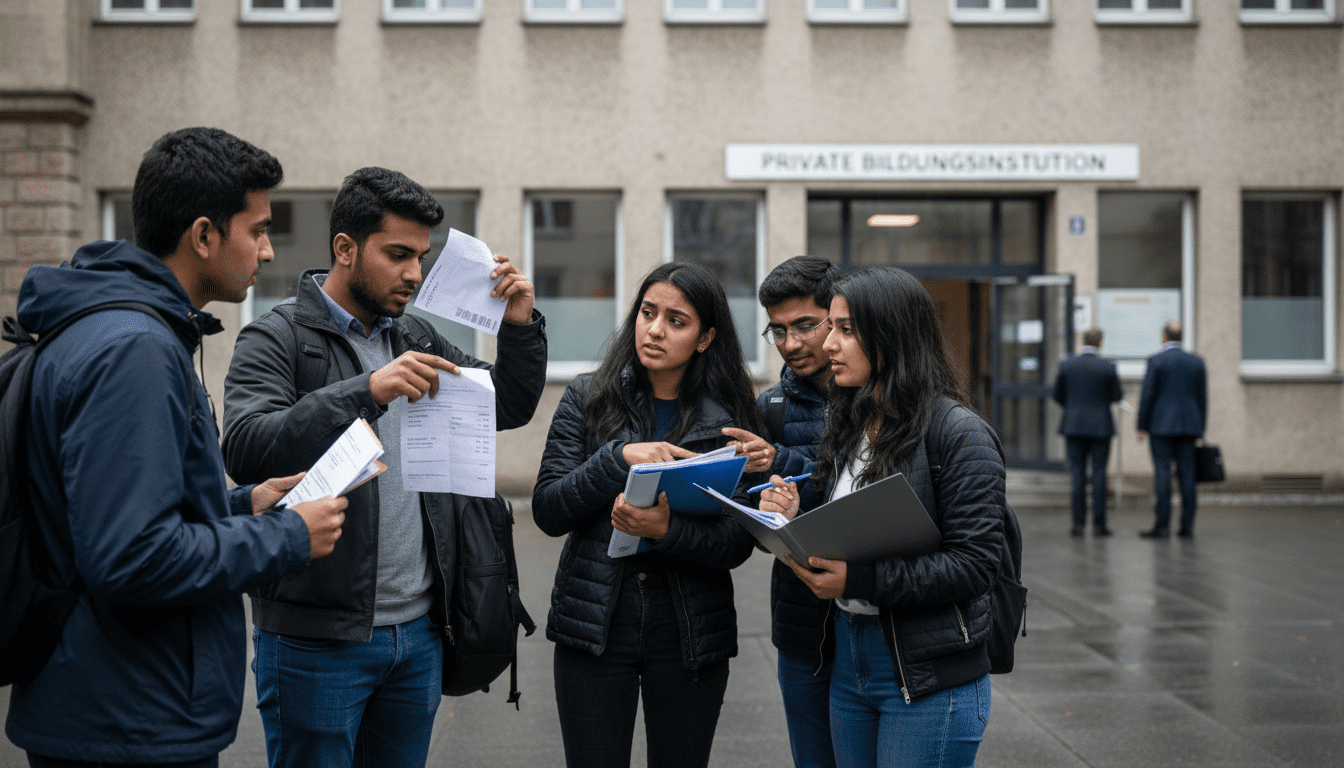
Indian students in Germany trapped by high tuition, debt and exploitative delivery work
Probe shows Indian students in Germany face high private tuition, crippling debt, exploitative delivery work and crowded housing, sparking calls for reform.
Thousands of Indian students in Germany arrive with academic aspirations but find themselves caught in a cycle of high private tuition, mounting loans and precarious employment in the delivery economy. The situation is driving many into informal or illegal work for food apps and subcontractors, where pay is often per drop and protections are minimal. Advocates warn that a combination of recruitment practices, opaque subcontracting and inadequate oversight is producing a vulnerable population dependent on low-wage gig work.
Private colleges and steep fees
Many of the students enroll in private universities that charge tuition far above public rates, financing their courses with loans or family savings. These fees leave newcomers highly exposed to financial pressure shortly after arrival, especially when scholarships are scarce and part-time work is necessary to cover living costs.
The reliance on borrowed money creates urgency to earn quickly, pushing students toward jobs that require minimal German language skills but can be exploitative. The private tuition model, critics say, effectively converts education into a debt trap for international students without adequate consumer protections.
Delivery platforms and subcontractor chains
A common short-term solution is work for food delivery platforms, but much of that labor is mediated through a web of subcontractors. Students frequently sign up with small agencies that supply couriers to larger platforms, obscuring employment relationships and legal responsibility.
Within these chains, payment often comes per delivery rather than by the hour, and shifts are arranged informally. That structure makes it easy for minimum wage rules, social contributions and contracts to be bypassed, leaving many workers legally unprotected and financially unstable.
Illegal work and payment-by-drop practices
Investigations and testimonies indicate that a substantial share of courier work occurs off the books, with students performing shifts without formal contracts. In such arrangements, they may receive less than minimum wage once unpaid costs like bike repairs, uniforms or fines are deducted.
Complaints about unsafe working conditions, pressure to meet delivery targets and the threat of immediate dismissal if they raise concerns are common. For those who speak up, the loss of income can mean missing loan payments, which tightens the debt burden and discourages further complaints.
Cramped housing and hidden rental markets
Housing pressures compound financial strain. Many students live in severely overcrowded rooms, paying high rents for a bed rather than a private flat. These arrangements often lack standard tenant protections and provide little privacy or stability.
Landlords and intermediaries who manage such micro-apartments frequently charge premium rates for basic, sometimes degraded, accommodation. The combination of high living costs and precarious earnings forces many to prioritize immediate survival over academic success.
Recruiters, visa rules and who benefits
Recruitment networks and intermediary agencies play a central role in steering students toward specific institutions and accommodation, and then into certain types of work. Those same intermediaries—including local agents and small subcontracting firms—benefit from the flow of students while remaining largely opaque.
Visa rules that limit access to certain kinds of employment or require enrollment in recognized programs can also be gamed or misunderstood, leaving students dependent on advice from their recruiters. The ecosystem thus creates incentives for actors across the chain to maintain the status quo, profiting from fee structures, housing arrangements and labor supply.
Calls for oversight and legal enforcement
Advocacy groups, student unions and legal experts are calling for stronger enforcement of labor laws, clearer rules for private education providers and better oversight of recruitment practices. Proposals include mandatory transparency on tuition and recruitment fees, tougher checks on subcontracting arrangements, and targeted inspections of the delivery sector.
Policy makers and institutions have acknowledged gaps but say implementation remains challenging, especially given the decentralised nature of subcontracting and the international scope of recruitment. Observers argue that coordinated action across immigration, education and labor authorities is required to reduce exploitation and ensure students can pursue studies without being forced into precarious work.
Many students remain reluctant to seek help because of shame, fear of losing income or uncertain immigration status. For some, returning home is not an option given the loans they carry, intensifying the sense of entrapment.
The situation facing Indian students in Germany underscores a broader tension at the intersection of international education and the gig economy. Without better protections and clearer accountability, hundreds — possibly thousands — of young people risk trading academic opportunity for long-term financial and legal vulnerability.
