
China’s role in Iran crisis tested as U.S. blockade of Strait of Hormuz takes effect
U.S. blockade of Iranian shipping through the Strait of Hormuz, effective April 13, 2026, puts China’s role in Iran crisis under pressure and raises regional economic and diplomatic stakes.
The United States on Monday, April 13, 2026, activated a blockade of Iranian shipping through the Strait of Hormuz, a move that immediately sharpened focus on China’s role in Iran crisis management and energy security. The measure, announced by the U.S. administration, is intended to curtail Tehran’s maritime operations and increase pressure on Iranian leadership, while also disrupting flows of crude oil that have been destined largely for China. Analysts and diplomats now say Beijing faces a test over whether it will use its leverage over Tehran to de-escalate tensions and press for changes in Iran’s behavior.
U.S. blockade takes effect in strategic waterway
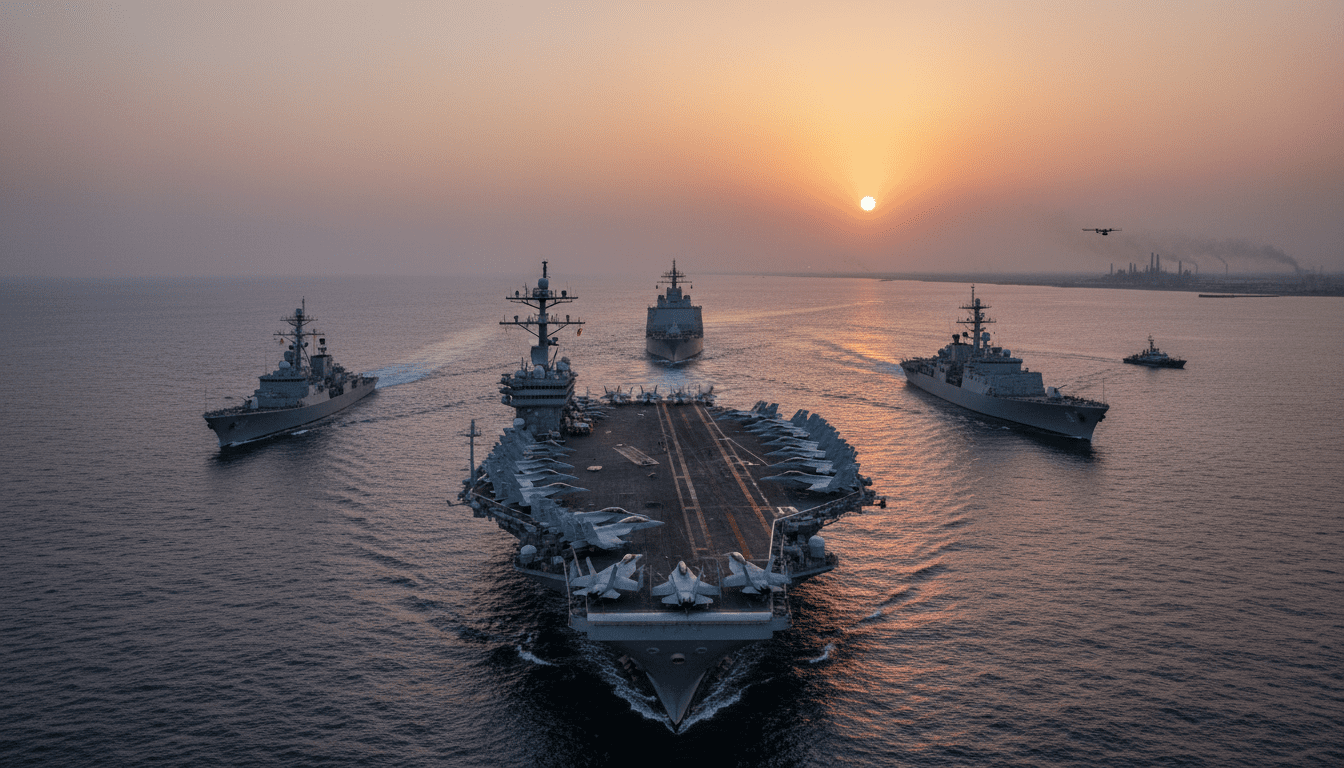
The blockade began on April 13, 2026, targeting vessels linked to Iranian state and paramilitary actors operating in and around the Strait of Hormuz. The strait is a vital artery for global oil shipments; any sustained restriction there threatens immediate consequences for regional trade and global energy markets. Washington framed the action as a measure to protect shipping from attacks and to deprive Tehran of the maritime freedom used to exert influence over Gulf states.
The move was accompanied by public statements from U.S. officials warning that enforcement would continue until Iran alters what the administration called “aggressive” conduct in the Gulf. The decision was attributed to the White House and has prompted sharp reactions across the region and among major trading partners, with governments and companies assessing contingency plans for supply chain disruptions.
Immediate economic pressure on China’s energy supplies
China, as the principal buyer of Iranian crude in recent years, stands to feel prompt economic effects from the blockade. Reduced tanker traffic or rerouting to avoid a contested corridor could increase freight costs and complicate logistics for Chinese refiners that rely on Iranian barrels. Markets typically respond quickly to such disruptions, and companies face near-term choices about alternative suppliers, inventories, and shipping insurance.
Beyond the cost of crude, secondary effects could hit Chinese trading firms and ports that handle oil cargoes, as well as state-owned energy companies with contractual exposure to Iranian suppliers. Beijing will weigh these economic pressures against broader strategic interests in the Middle East, including long-term investments and relationships cultivated under the Belt and Road framework.
Beijing’s diplomatic balancing act in public and behind closed doors
So far, Beijing’s public posture has been measured: officials have criticized what they describe as escalatory actions by major powers while also urging restraint by regional actors. Chinese statements have broadly called for de-escalation, adherence to international law, and protection of commercial navigation. At the same time, Beijing has on occasion rebuked Tehran for specific attacks on Gulf states, signaling that China is not an unconditional defender of Iranian policy.
Diplomatically, China prefers influence through economic ties and quiet negotiation rather than overt coercion. That approach allows Beijing to preserve relationships with multiple actors in the region, but it also limits the immediacy of pressure China can exert if Tehran resists outside demands. Observers note that China’s foreign policy choices will reflect a calculation of national interest, weighing energy security, regional stability, and Beijing’s desire to be seen as a responsible great power.
Leverage Beijing could exercise over Tehran
Despite its cautious public posture, China retains several levers that could be used to influence Iranian decision-making. Continued or expanded reductions in crude purchases, the imposition of stricter commercial due diligence, or conditioning of new investments on behavioral changes could impose tangible costs on Tehran. Financial measures by Chinese banks, even if selective, would also matter given Iran’s need to monetize oil and access international markets.
However, Beijing’s willingness to deploy those levers is uncertain. Chinese leaders must balance the immediate economic pain of disrupting energy flows against the longer-term aim of preserving stable access to Gulf resources. Any move perceived as directly siding with Washington could complicate Beijing’s relationships not only with Tehran but with other partners who view U.S. containment efforts with suspicion.
Regional strategic consequences and international reactions
The blockade has widened the diplomatic fault lines in the Middle East, prompting Gulf states, European capitals, and Asian importers to reassess security arrangements and supply contingencies. Countries that rely on the Strait of Hormuz have begun contingency planning for alternative routes and emergency stock releases, while insurers and shipping companies evaluate risk premiums for vessels operating in the area.
International reactions have varied: some governments have supported U.S. efforts to curb attacks on commercial shipping, while others have urged restraint and dialogue to avoid broader escalation. The situation increases the chances that external powers will intensify shuttle diplomacy in the coming days to prevent further incidents that could lead to armed confrontation.
China’s role in Iran crisis management will be watched closely by governments and markets alike, because Beijing’s next moves may determine whether diplomatic pressure can be marshaled to reduce tensions or whether the region slides into a more dangerous cycle of retaliation. For now, Beijing appears to prioritize a calibrated response that protects its energy interests while seeking to maintain influence in Tehran.
The blockade’s immediate effect is to raise the diplomatic and economic costs for all actors, and it places China at a crossroads between protecting its energy imports and exerting sufficient pressure to change Iranian behavior. How Beijing resolves that tension will help determine the trajectory of the crisis and the stability of maritime commerce through one of the world’s most important chokepoints.
