
Bosch Reports First Annual Loss in Years as Restructuring Costs and US Tariffs Bite
Bosch posts a €400m after-tax loss as restructuring charges and US tariffs hit results; 2024 profit fell to €1.3bn. Management outlines measures to stabilise.
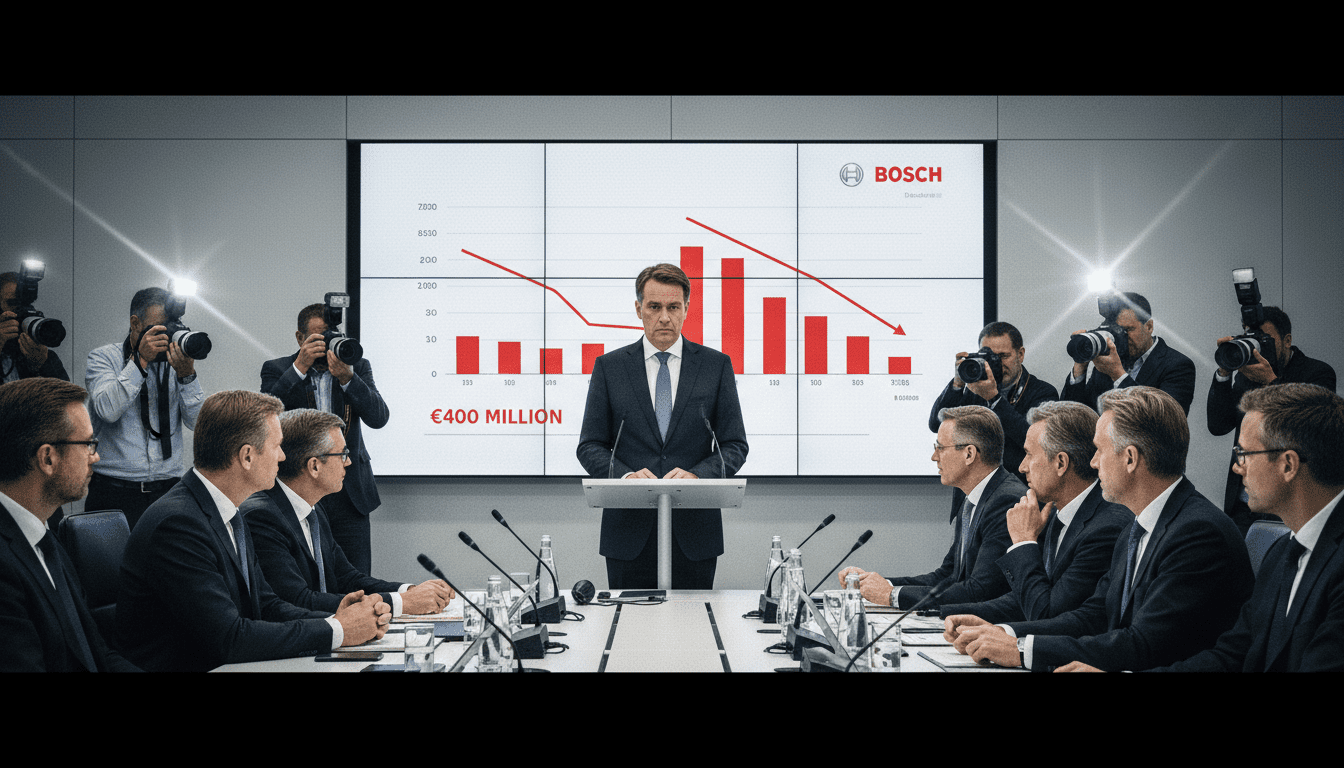
Bosch, the German technology and automotive supplier, recorded an after-tax loss of €400 million as the company disclosed substantial costs tied to workforce reductions and trade measures affecting US business. The result marks the first time in years that the group has fallen into the red, underscoring a difficult period for its automotive and industrial operations. Finance chief Markus Forschner announced the figure at the annual accounts presentation and attributed the swing largely to restructuring charges and tariff-related expenses. The company said it would monitor performance closely and provide further updates as its measures take effect.
Bosch reports €400 million after-tax loss
Bosch reported the €400 million net loss following a year of heavy one-off charges, according to the group’s financial statement presentation. The deficit contrasts with the prior year’s earnings and reflects the scale of the restructuring programs the firm has initiated. Company executives framed the loss as driven mainly by exceptional items, not by a sustained operating decline across all divisions. Investors and analysts will watch upcoming quarters for signs that underlying operations can return to profitability.
Restructuring charges and job cuts drive costs
Bosch said billions of euros in costs associated with workforce reductions and restructuring weighed heavily on the balance sheet. The company has been reshaping parts of its business to respond to falling demand in some automotive segments and to accelerate moves into electrification and software. Those strategic shifts have required severance payments, site consolidations and other one-time expenses that hit the 2025 accounts. Management described these charges as necessary to align capacity with demand and to streamline the group for long-term competitiveness.
US tariffs add to pressure on an automotive supplier
Executives highlighted US tariffs as another material factor that contributed to the negative result, pointing to higher import costs and margin pressure in key markets. Bosch’s global manufacturing and supply chains connect closely with the North American automotive industry, and tariff-related expenses can translate into reduced profitability when passed through to suppliers. The combination of punitive duties and logistical adjustments amplified the impact of restructuring costs in the reported period. Company officials said they are pursuing measures to mitigate tariff exposure, including sourcing adjustments and pricing strategies where feasible.
Earnings trend: 2024 profit halved to about €1.3 billion
Bosch disclosed that in 2024 its after-tax profit had already narrowed, falling to roughly €1.3 billion — about half the level of the previous year. That contraction foreshadowed the deeper swing into a net loss in the most recent reporting cycle, illustrating how quickly profitability can be eroded by large exceptional items. Despite the reduction, Bosch maintained that core operations in many business areas remained resilient, with certain segments continuing to generate positive operating results. Observers say the key issue now is whether restructuring and market adjustments can restore a broader earnings recovery.
Management response and steps to stabilise operations
Company leadership framed the loss as a temporary consequence of transformation measures and said management will focus on cost discipline and operational efficiency. Bosch intends to balance short-term financial impacts with long-term strategic investments in electrification, software, and industrial solutions, according to the presentation by the finance chief. The board signaled that further updates on restructuring progress and financial outlook will follow in subsequent reporting periods. Analysts expect the market to scrutinise near-term cash flow and margin trends as the company executes its plan.
Bosch’s disclosure of the after-tax loss puts immediate attention on the execution of its turnaround strategy and the broader environment for suppliers in the automotive sector. Management emphasizes that the exceptional charges are intended to position the group for future competitiveness even as they depress current-year results. Markets and customers will be watching whether these measures can stabilise margins and restore consistent profitability. The company has committed to continued reporting transparency as it navigates the post-restructuring phase and adjusts to the changing global trade landscape.
