
Aso-oke Revival: Iseyin Weavers Keep Yoruba Handwoven Fabric Alive Amid Global Demand
Aso-oke weaving in Iseyin thrives as artisans resist mechanisation, attracting young weavers and global buyers while preserving Yoruba handweaving traditions.
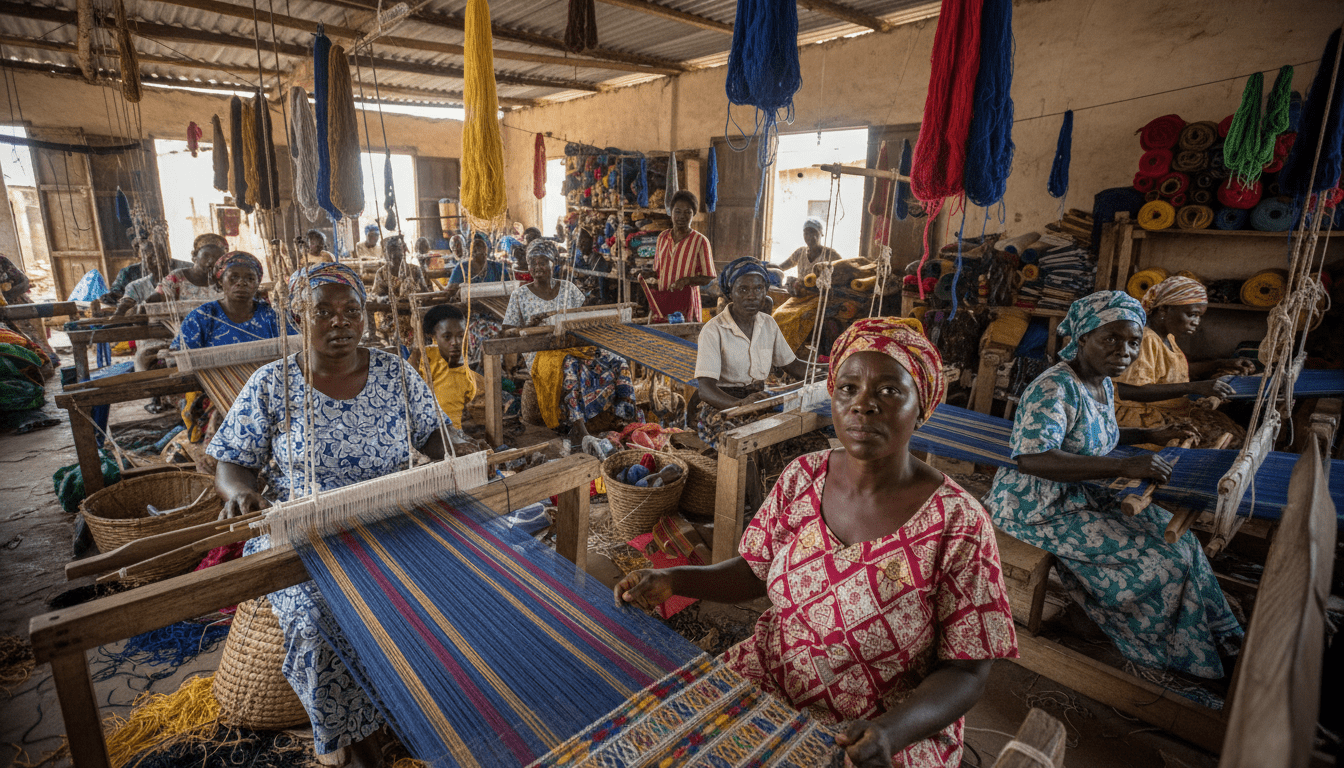
Aso-oke remains at the centre of a small-scale manufacturing revival in Iseyin as demand surges at home and abroad. The handwoven Yoruba fabric has become a vital source of income for weavers who reject mechanised looms to protect the craft’s character. Local producers say the rise in diaspora orders and international attention has transformed shaded yards and alley looms into a bustling micro-industry.
Iseyin Reclaims Spotlight as Aso-oke Hub
Iseyin, about 200 kilometres from Lagos, is widely recognised as the historic home of aso-oke production. In the town’s open spaces and weathered sheds, wooden looms and stretched yarn mark the centre of daily life for many families. Weavers describe steady orders from wedding markets and fashion houses that keep their workshops running through long, hot days.
The town’s reputation has been reinforced by high-profile appearances of the fabric on international visitors and celebrities. Such moments have amplified interest and sent more buyers to makers who still weave by hand. The attention has also drawn aspiring artisans from across the region eager to learn the techniques passed down through generations.
Weavers Turn Craft into Livelihood
For many in Iseyin, aso-oke is both cultural patrimony and an economic lifeline. Skilled practitioners, some former professionals in other fields, report reliable earnings that support households and apprentices. The rhythmic click of wooden looms accompanies an informal apprenticeship system where new entrants learn by doing under the supervision of master weavers.
Artisans emphasise the labour intensity and skill required, saying those traits justify premium prices on the market. Weavers often work long shifts arranging threads and executing tight patterns, a process they argue cannot be replicated by machines without losing the textile’s distinctive texture.
Younger Generation Embraces Traditional Weaving
Contrary to expectations that industrial jobs would draw youth away, Iseyin is seeing graduates and young people take up weaving. University leavers and former service workers have moved to the town to train in aso-oke, citing both cultural pride and business opportunity. Weavers report that improved market access and higher sale prices have made the craft a more attractive career choice.
Young artisans bring energy and new design ideas while learning time-honoured techniques, creating a mix of continuity and innovation. Several weavers say apprenticeships now include fashion-focused variations to meet contemporary consumer tastes without discarding traditional patterns.
Materials, Methods and Resistance to Mechanisation
Traditional aso-oke making historically involved preparing threads from locally produced cotton or silk, then cleaning, spinning and natural dyeing. Today, many workshops use loom-ready threads in a wider palette, often imported from abroad, to meet demand for vibrant colourways. Artisans say the substitution of machine-produced yarns helps speed production but insist that the hand-operated looms are essential to the fabric’s finishing and feel.
Resistance to mechanisation is framed as an aesthetic and cultural choice as much as a technical one. Weavers argue that the density, sheen and subtle irregularities of handwoven strips define aso-oke’s identity and ceremonial value. They warn that wholesale mechanisation would standardise the cloth and erode its connection to local knowledge.
Global Demand and Cultural Reach
International interest in aso-oke has risen alongside the global visibility of Nigerian fashion and music, driven in part by diaspora communities seeking traditional attire. Designers have incorporated aso-oke into contemporary collections, and ceremonial use remains strong in weddings and public events. Buyers value the fabric for its craftsmanship, colour and cultural resonance, creating steady export channels from small-town workshops.
Orders arriving from abroad have also encouraged local producers to scale output selectively while retaining manual techniques. Some weavers now tailor pieces for export markets, combining narrow woven strips into wider cloths for garments, accessories and luxury wraps. This hybrid approach has expanded income streams without abandoning the craft’s defining processes.
Aso-oke’s resurgence in Iseyin illustrates how a rooted artisanal tradition can adapt to modern demand while preserving technique and identity. As the town meets new buyers and trains new hands, the handloom remains the instrument through which a community sustains both culture and commerce.
