
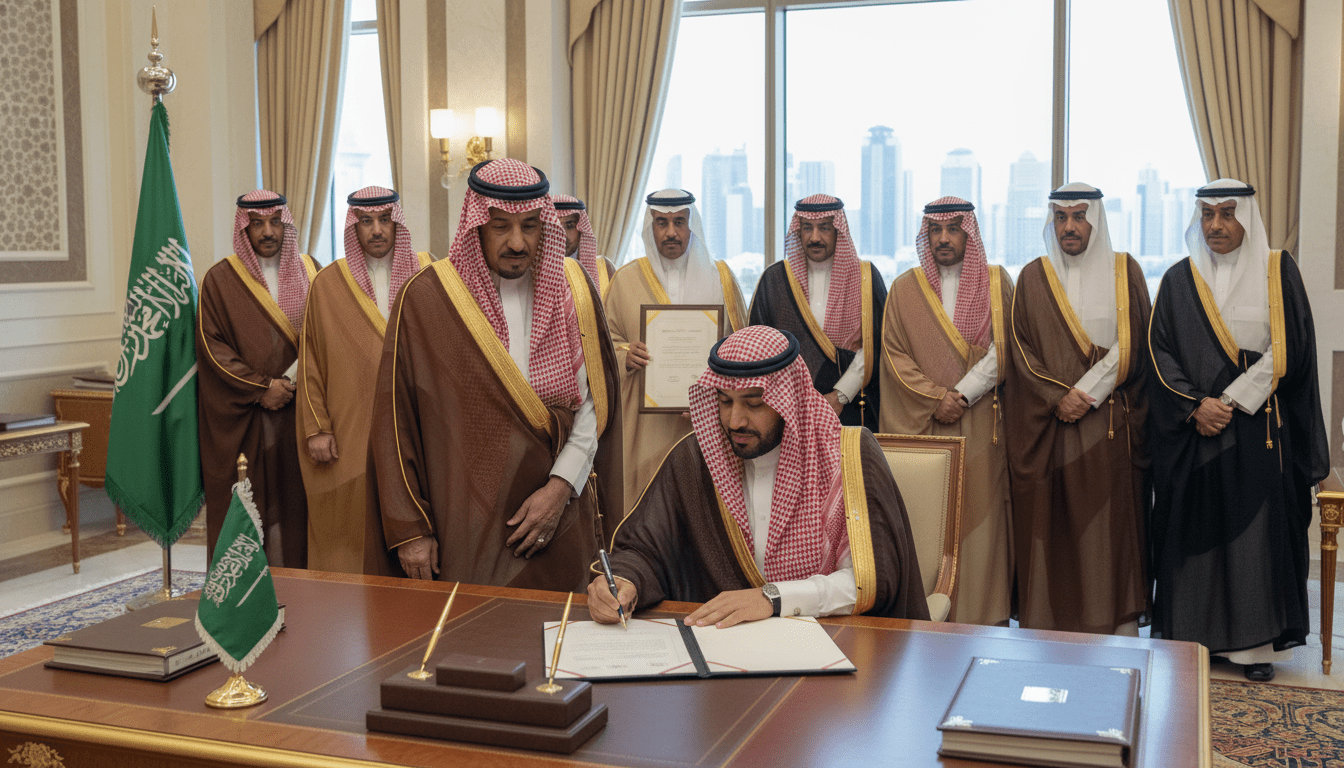
Nepotism in Arab Politics Fuels Dynastic Succession and Power Consolidation
Nepotism in Arab politics is reshaping leadership exits as rulers place relatives in senior roles to preserve influence, wealth and immunity from scrutiny. The practice, long observed across several states, accelerates when incumbents sense their tenure is ending. Appointments of sons, daughters or close kin into high office have become a preferred mechanism to anchor family networks at the center of governance.
Dynastic Appointments Rise as Leaders Prepare to Depart
Political elites in some Arab states are increasingly using formal appointments to stage managed successions that favor family members. These moves often occur when a powerful leader perceives a narrowing window to shape the future, prompting rapid transfers of authority or high-profile promotions.
Such appointments are not limited to symbolic roles; they frequently include control of security organs, major state enterprises or influential advisory positions. By embedding relatives across the institutions that matter, ruling families aim to block rivals and secure economic interests for the next generation.
Sons and Close Relatives Placed in Strategic Roles
Placing a son or another close relative on a public stage serves both practical and symbolic functions for outgoing leaders. Practically, it creates a direct conduit for continued influence over decision-making and patronage networks after formal retirement.
Symbolically, it signals continuity to allies and competitors, reducing the risk of sudden policy shifts that could threaten entrenched interests. The practice also discourages internal challenges by aligning key factions behind a common familial figure.
Family Networks and Economic Control
Family succession strategies are frequently paired with transfers of economic assets to ensure long-term financial control. Relatives often gain stakes in state-owned companies, lucrative contracts or regulatory oversight that underpin the family’s ability to fund political support.
This blend of political and economic consolidation deepens the overlap between private wealth and public authority. It creates incentives to preserve the status quo and curtail reforms that might redistribute power or expose past corruption.
Accountability Mechanisms Circumvented by Succession Plans
A central motive behind these managed successions is the avoidance of legal or judicial accountability for former leaders. By elevating family members and maintaining influence over security and legal institutions, outgoing rulers diminish the likelihood of investigations or prosecutions.
This calculus affects not only potential personal consequences but also broader institutional integrity. Where judicial independence is weak, succession arrangements can be engineered to prevent inquiries and to protect accumulated assets and privileges.
Public Perception and Elite Management
Public reaction to dynastic appointments varies, from resigned acceptance to visible protests, depending on the country’s political space and economic conditions. In environments with limited media freedom and constrained civic activism, elites can more easily manage the narrative around family succession.
Nevertheless, even muted civil society voices and diaspora communities can shape perceptions of legitimacy and fuel longer-term discontent. Over time, persistent exclusion of meritocratic pathways erodes trust in governance and can feed instability beneath a calm surface.
Regional Variation in Succession Tactics
Patterns of family succession differ across the Arab world, shaped by local institutions, tribal structures and external alliances. Monarchies have historically institutionalized family rule through hereditary succession, while several presidential systems have veered toward informal dynastic transfers in recent decades.
These variations influence how easily families can entrench themselves and which levers they use—state apparatus, economic patronage, religious legitimacy or foreign alliances. The specific mix determines both the resilience of family power and the options available to potential challengers.
International Reactions and Policy Risks
Foreign governments and investors often weigh these succession dynamics when assessing risk and calibrating engagement. While some external actors prioritize stability and continuity, others raise concerns about governance, transparency and human rights, which can affect aid, investment and diplomatic relations.
The international community faces a dilemma when family-led successions promise short-term order but may undermine long-term reform and accountability. Policy choices abroad can therefore unintentionally legitimize entrenched networks or provide leverage for reform, depending on how they are structured.
As leaders nearing the end of their tenure choose family members for high office, the result is often a reinforcement of established power structures rather than opening pathways for competitive renewal. The persistence of nepotism in Arab politics shapes both domestic governance and regional dynamics, leaving questions about accountability, economic fairness and political legitimacy that are likely to endure.
