
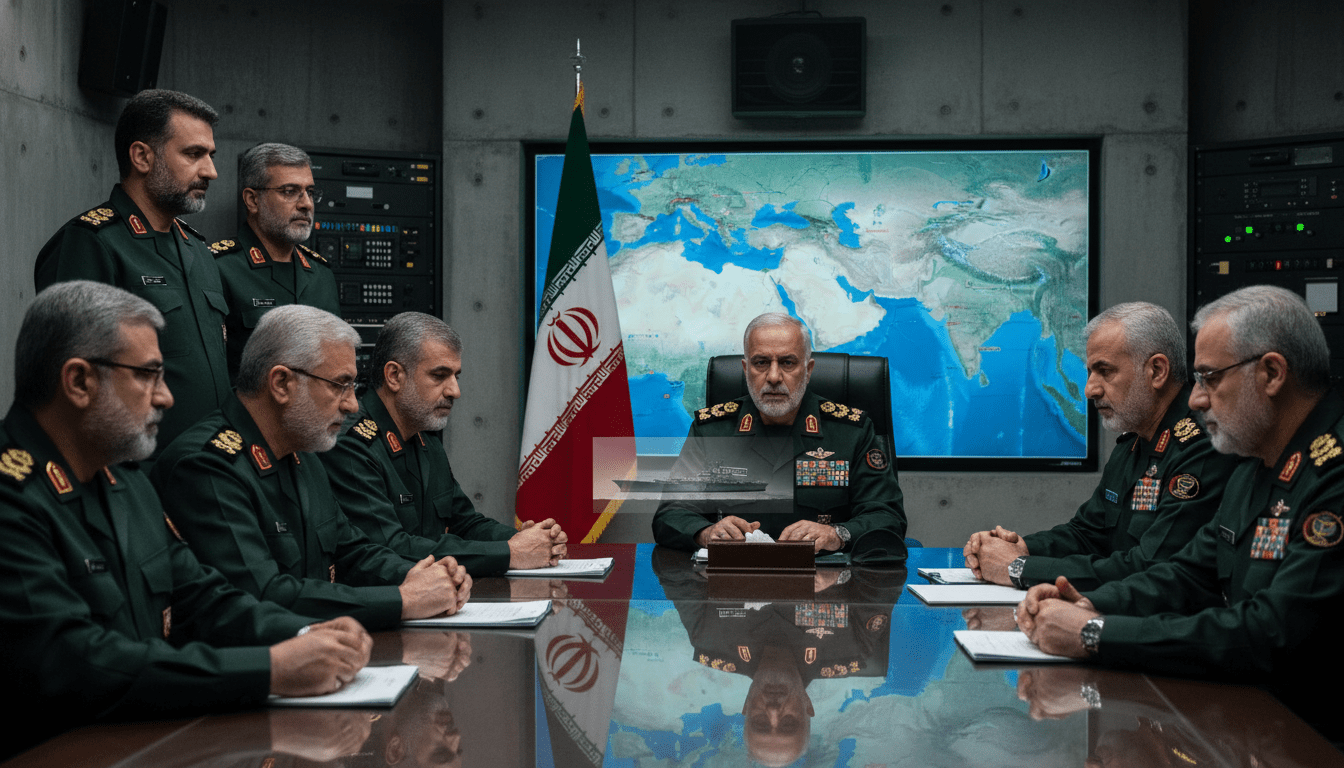
Iran Warns It Will “Open New Fronts” Against US After Planned Strike Called Off
Iran warns it will “open new fronts” against the US if attacked again, as Donald Trump said a planned strike was called off and there is a “very good chance” of reaching an agreement with Tehran.
Iran issued a blunt warning that it would “open new fronts” against the United States if it were hit again, escalating rhetoric after the White House announced a last‑minute decision not to launch a planned military strike. The statement followed an announcement by President Donald Trump that an attack scheduled for Tuesday had been called off on Monday, citing a possible diplomatic opening. The warning and the aborted operation together have heightened concern among regional capitals about the risk of rapid escalation.
Iranian officials frame the warning as deterrence
Iranian state statements framed the declaration as a deterrent meant to dissuade further strikes against its forces or territory. Officials described the move as a proportionate response to any future attack, emphasizing readiness to widen the geographic scope of retaliation. The language signaled a shift from localized reprisals to broader contingency planning that could involve multiple theaters of confrontation.
Iran made no immediate public specification of what “new fronts” would entail, leaving analysts to interpret the phrase as a reference to either proxy operations, direct engagements in nearby waters, or coordinated actions with allied groups across the region. Officials have historically relied on allied militias and proxy networks to project power, and that posture allows a range of options short of overt interstate war. The ambiguity is a deliberate feature of deterrent signaling, designed to complicate adversaries’ planning without committing Tehran to a single course.
Trump says strike was called off because of diplomatic prospects
President Trump told reporters the planned strike, which he said had been scheduled for Tuesday, was halted at the last minute because there was a “very good chance” of reaching an agreement with Tehran. He did not provide a detailed timeline or explain the precise conditions that prompted the pause, but framed the decision as favoring diplomacy over immediate military action. The president’s description suggested that back‑channel contacts or intermediaries may have played a role in creating space for negotiation.
The White House statement accompanied the president’s remarks but offered limited operational details, emphasizing that the military had been prepared to act if ordered. Officials declined to specify the targets that had been under consideration or the nature of the signals received from Tehran. That lack of clarity has contributed to fresh uncertainty about both U.S. intentions and Iranian next steps.
Regional implications of broader retaliation
A promise by Tehran to “open new fronts” raises acute concerns for neighboring states and maritime routes that already face periodic disruption. Countries in the Gulf, Levant and broader Middle East have watched past cycles of confrontation produce sudden attacks on shipping, cross‑border strikes and militia operations. Any expansion of hostilities could therefore affect energy markets and commercial traffic, and draw third parties into a widening conflict dynamic.
Allies and partners in the region will be weighing defensive preparations and diplomatic channels in response to Tehran’s statement. Some governments may increase naval patrols or reposition assets, while others seek urgent talks with both Washington and Tehran to reduce the risk of miscalculation. The potential for asymmetric tactics by proxy forces makes crisis management particularly difficult, since actions by non‑state actors can rapidly escalate despite official diplomatic overtures.
Diplomatic avenues and the prospect of an agreement
Mr. Trump’s reference to a “very good chance” of an agreement indicates that diplomatic avenues remain open even amid high tensions. Negotiators on both sides have previously used back channels, third‑party intermediaries and face‑to‑face meetings to pursue limited deals or de‑escalatory steps. An agreement could range from a formal negotiated understanding to a more limited, tacit arrangement that reduces immediate military pressure.
Any credible diplomatic breakthrough would require concrete guarantees and verification measures acceptable to both capitals, a challenging prospect given deep mutual distrust. Washington would likely demand constraints on Iran’s regional activities and nuclear program steps, while Tehran would seek relief from sanctions and assurances against future strikes. The complexity of such talks means that progress is typically incremental and fragile.
Military posture and readiness on both sides
U.S. forces had been placed on alert ahead of the planned strike and were reported to be ready to execute operations if ordered, underscoring the military dimension behind the president’s statements. A last‑minute cancellation does not eliminate the underlying readiness posture, which can persist and shape follow‑on political and operational choices. Commanders on both sides must now balance the demands of deterrence with the risks of accidental or unintended engagements.
Iran’s warning likewise signals preparations beyond rhetorical deterrence, suggesting that Tehran believes it holds capabilities to broaden conflict lines if necessary. Military planners on both sides face the challenge of maintaining credible deterrence without tumbling into a spiral of tit‑for‑tat actions. This delicate balance will be tested in the coming days as each side monitors the other’s signals and maneuvers.
International reactions and the risk of miscalculation
Global capitals and international organizations are likely to voice concern over any threat that the confrontation could widen into a regional war. Stakeholders typically emphasize restraint and urge direct or mediated talks to prevent a further breakdown in security. Commercial and financial markets closely monitor such developments because of the potential impact on oil supplies and investor confidence.
Despite diplomatic language, the mix of military readiness and public threats increases the risk of miscalculation by actors operating under pressure. Smaller incidents involving proxies or maritime traffic can unintentionally trigger broader reprisals unless robust communication channels and crisis control mechanisms are re‑established. For now, the situation remains volatile and dependent on whether political leaders can convert verbal openings into measurable steps that reduce immediate danger.
The coming days will test whether the pause announced by President Trump translates into substantive negotiations or whether Iran’s warning presages a renewed cycle of confrontation that could draw in additional regional and international actors.
