
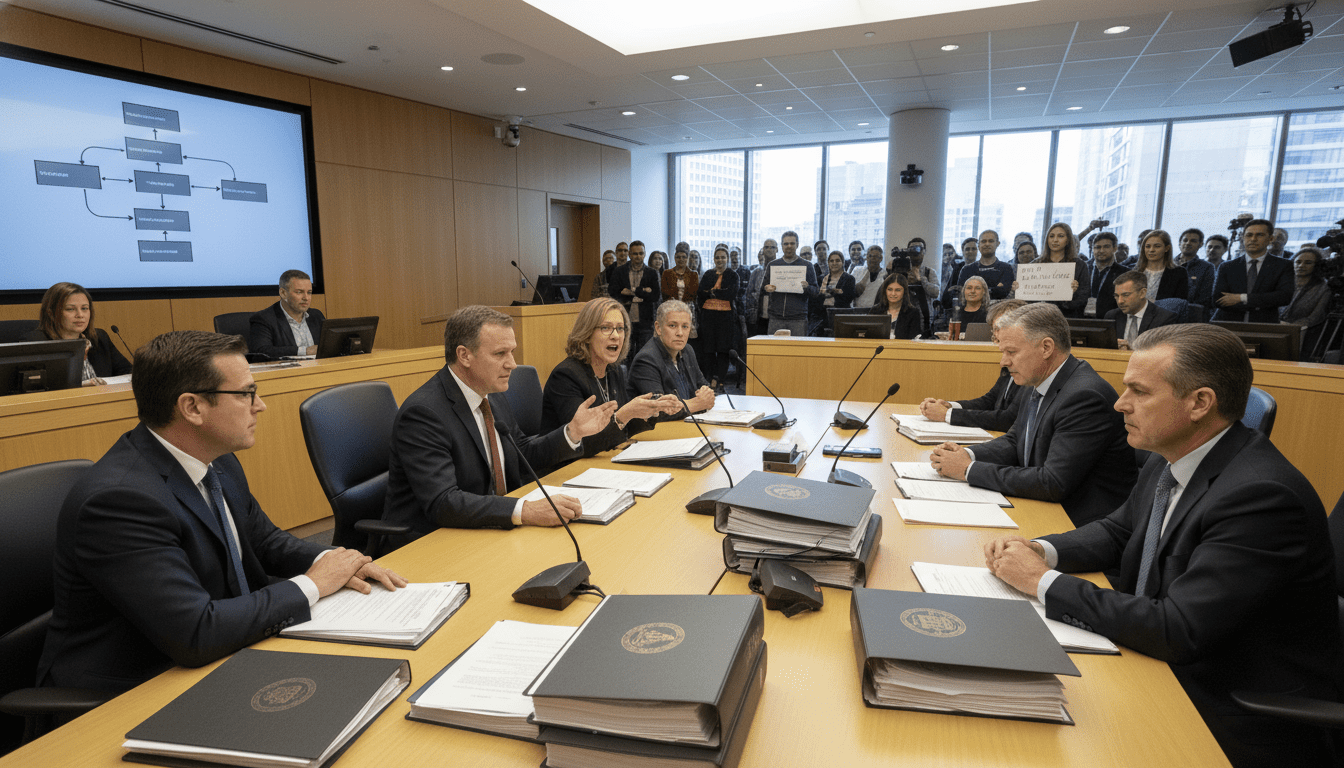
New construction procurement rules spark municipal backlash in Germany
Germany’s coalition proposes new construction procurement rules to favor split contracts; municipalities warn of delays, higher costs and loss of local control.
The federal coalition’s proposal to tighten construction procurement rules by encouraging split, section-by-section contract awards has provoked swift pushback from municipal leaders and local builders. The changes to construction procurement rules are positioned by proponents as a way to open public projects to smaller firms, but city officials say the shift threatens efficiency, raises administrative burdens and could delay delivery of schools, daycare centers and public facilities. The dispute has highlighted long-standing tensions between national-level reform advocates and municipalities that manage the bulk of local construction work.
Coalition’s new procurement model
The coalition is advancing procurement guidance that would steer municipalities toward dividing large building projects into multiple, discrete contracts rather than awarding single, comprehensive contracts. Supporters argue the approach will lower entry barriers for small and medium-sized craft businesses, broaden competition and reduce price pressure on the federal purse. The policy language under discussion emphasizes modular bidding and staged delivery as default options for publicly funded construction.
Supporters point to small firms and savings
Backers of the sectioned bidding model say it addresses market concentration among large contractors and helps regional specialists secure work on public projects. They contend that when local craftsmen can bid for clearly defined components, project costs fall and local employment benefits follow. Government officials promoting the change also argue that splitting contracts can inject competition at each stage, potentially driving down invoices paid from public budgets.
Municipal leaders cite cost and complexity concerns
Representatives from cities and towns counter that overall contract awards often deliver the best balance of speed, cost control and administrative simplicity for local authorities. Municipal procurement officers say that managing several separate tenders increases coordination costs, multiplies interfaces and heightens the risk of scheduling conflicts between subcontractors. Many municipal leaders warn that the proposed rules could turn routine projects into prolonged administrative exercises and that the intended savings may be offset by additional project management expense.
Practical challenges for project delivery
Project managers, architects and local contractors describe a series of practical hurdles when large schemes are parceled into many smaller contracts. Integrated planning and single-source responsibility can be compromised, they say, complicating warranty claims and making it harder to hold one party accountable for delays or defects. Several local building officials add that fragmented contracting can extend timelines when coordination fails, complicating financing and leaving communities without completed facilities for longer than under omnibus contracting.
Federalism and local autonomy surface in debate
The row over procurement has reignited broader questions about federal intervention in municipal affairs and the degree of autonomy allowed to local governments. Critics of the federal push contend that one-size-fits-all procurement guidance undermines the ability of towns and cities to choose the method that best suits their administrative capacity and market conditions. Proponents respond that national rules are necessary to correct market distortions and to achieve policy goals such as access for smaller enterprises, but their argument faces resistance from municipalities that manage everyday implementation.
Negotiations and potential compromises ahead
Officials on both sides signal that further negotiation is likely before any binding rule changes take effect, and some observers expect carve-outs that would let municipalities opt for consolidated contracts where appropriate. Possible compromises under discussion include thresholds for mandatory splitting, exemptions for certain project types, and support measures intended to reduce the administrative load on local authorities. Legal experts say any reform will also need to reconcile procurement law with practical procurement capacity at the municipal level to avoid unintended consequences.
Local officials are preparing technical feedback and impact assessments to present during the next round of consultations, while trade groups for small construction firms continue to lobby in favor of measures they say will open markets. Municipal associations stress that any shift in construction procurement rules should preserve the ability of local governments to decide contracting strategy based on cost, speed and local labor market conditions.
Despite the dispute, stakeholders on both sides acknowledge a shared interest in improving transparency, competition and value for money in public construction, even as they differ sharply on the path to reach those goals. The coming weeks of consultation and revision will determine whether the new procurement rules become prescriptive policy or a framework that balances federal objectives with municipal discretion.
