
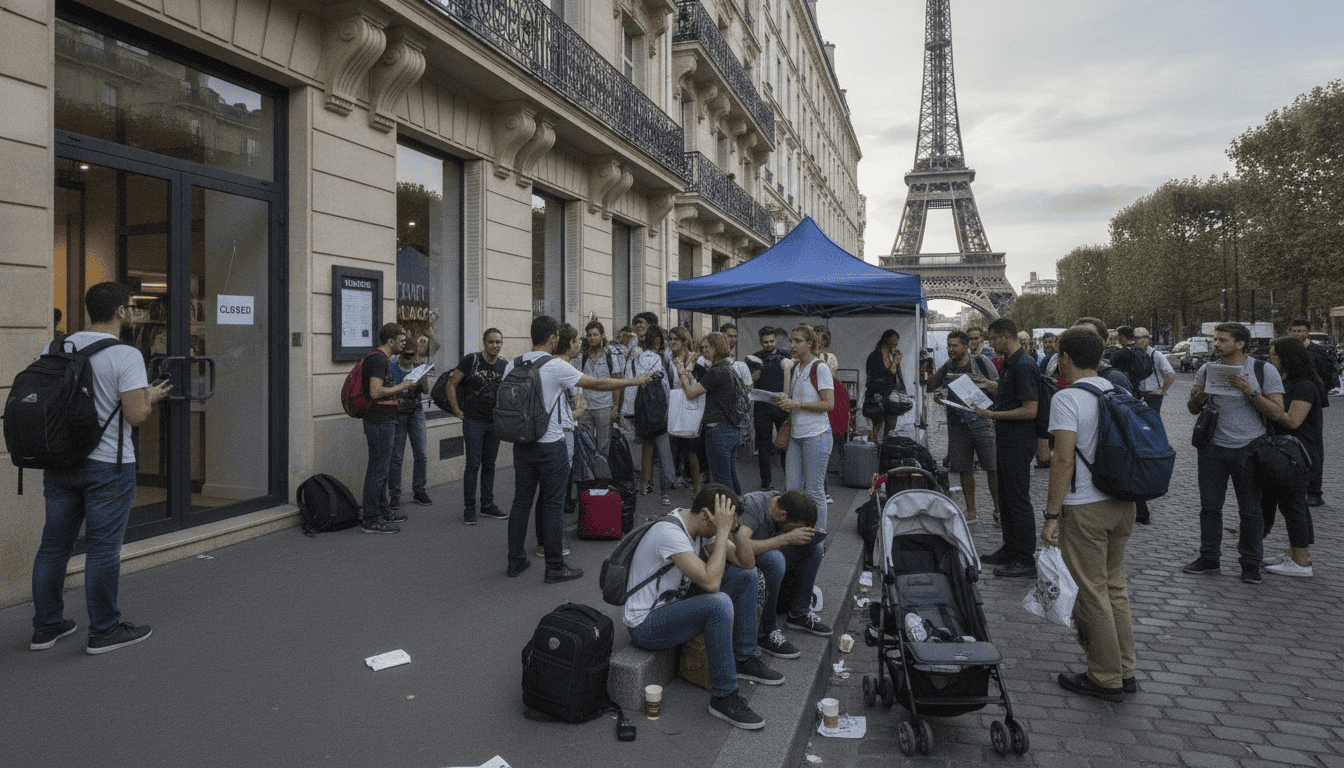
Travel booking scams leave tourists stranded in Paris, victims report multilingual “Scam” calls
Hundreds of travelers say they were duped by travel booking scams that left them stranded in Paris, with victims contacting a local concierge for help.
Olivier Vandamme, a Paris-based concierge, has been fielding frantic calls for days from visitors who say their reservations collapsed after interacting with what they describe as travel booking scams. The first paragraph mentions the main topic: travel booking scams have surged, according to victims who phoned Vandamme from multiple continents. Call records reviewed by investigators show messages left in several languages and a pattern of confusion and demands for money.
Calls from Stranded Tourists in Paris
Vandamme’s phone mailbox filled quickly as travelers described arriving at booked addresses only to find doors locked or hosts unreachable. Many said confirmation emails and booking pages appeared legitimate until check-in problems surfaced.
Some callers reported being redirected to different listings or told by intermediaries that additional payment was required on arrival. Those requests, they said, came after initial payments had been made through online platforms.
Multilingual Alerts and Direct Threats
Victims used the same word across languages when describing their experience: “scam” — and Vandamme heard the word in English, Swedish, Portuguese and Spanish. The diversity of languages underlines the broad reach of the reported incidents and the number of nationalities affected.
Several messages escalated beyond confusion to anger. One caller texted a threat to file a complaint, while others demanded immediate refunds or compensation from Vandamme, mistakenly assuming he was responsible for bookings.
Geographic Spread of Complaints
Calls came from travelers based in Germany, Hungary, Norway, Poland, Hong Kong and the Ivory Coast, among other countries, indicating the incident was not limited to a single tourist market. The international mix has complicated efforts to coordinate responses and trace funds.
Investigators say the pattern of complaints suggests that victims were routed through different booking pages or third-party services before arriving in Paris, making cross-border tracing of transactions more difficult.
Reported Mechanics of the Scam
Victims described booking listings that initially appeared legitimate, followed by sudden changes: payment links that directed them to new sites, hosts who became unresponsive, or listings that vanished from platforms. These are common features in online booking fraud, according to cybersecurity analysts.
Several travelers said they received convincing confirmation messages and check-in instructions, only to discover the property was unavailable on arrival. In other cases, additional “verification” payments were solicited, often via alternative channels less protected than major payment processors.
Platform and Authority Responses
Representatives from major online travel platforms did not respond to requests for comment at the time of reporting, while local police confirmed they had received multiple statements from tourists relating to accommodation disputes. Officials emphasized that investigations are ongoing and urged victims to file formal complaints.
Consumer protection agencies recommend preserving all communications and transaction records when reporting suspected fraud. Authorities also reminded travelers that immediate reporting increases the chances of tracking payments and identifying the perpetrators.
Practical Advice for Travelers in Paris
Travelers in Paris should double-check booking details directly on a platform’s official site and confirm host contact information before departure. Using platforms’ internal messaging and payment systems adds a layer of consumer protection that is often lost when payments are moved to third-party links.
If confronted with an unexpected payment demand at check-in, victims should document the request, refuse to pay through unsecured channels, and report the incident to both the booking platform and local police. Securing temporary accommodation through reputable hotels or verified short-term rentals can reduce exposure to last-minute scams.
Authorities and consumer groups recommend keeping a digital and physical copy of booking confirmations, email threads, payment receipts and screenshots of listings. These records can be essential when seeking refunds or filing criminal complaints.
Local consular services can also assist travelers who are unable to resolve disputes on their own, particularly when passports or travel plans are affected. Consulates can help connect victims with local authorities and provide guidance on consumer rights in France.
Victims and investigators continue to piece together how the reported travel booking scams operated and whether organized networks are involved. In the meantime, travelers are urged to exercise heightened caution with third-party payment requests and to use verified platform channels for all transactions.
