
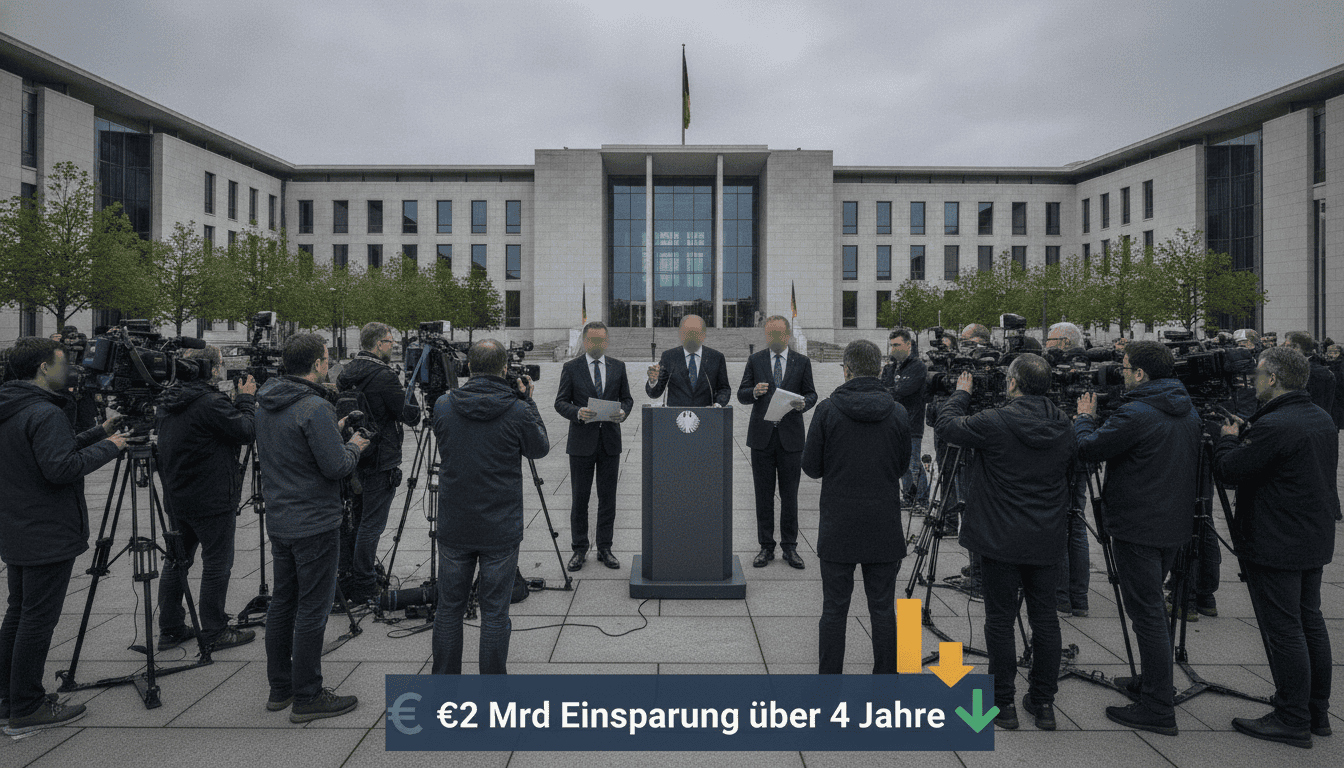
Germany to cut heat pump subsidies, saving €2bn over four years
Germany will cut heat pump subsidies, saving €2bn over four years and refocusing support on low‑income households amid high electricity costs and rising bills.
Government proposal reduces heat pump subsidies
The federal government plans a significant reduction in heat pump subsidies, aiming to save roughly €2 billion over the next four years. The proposed change reverses earlier assurances from political leaders and narrows the scope of the existing grant programs for building efficiency. Heat pump subsidies have been central to Germany’s plan to decarbonize heating, but ministers now argue the scale of the payments is unsustainable in the current budgetary climate.
The shift follows public comments made in February by a senior party figure who had initially indicated the support would remain unchanged. That pledge has given way to a more constrained approach as coalition partners negotiate spending priorities. Officials say the reallocation is meant to preserve aid for the most needy while trimming universal payments that benefit higher-income households.
Budget rationale and planned savings
According to government estimates, subsidies for energy-efficient buildings have reached levels that are difficult to maintain within the current fiscal framework. Officials contend that annual spending running into the billions cannot continue without further strain on public finances. The new plan targets approximately €2 billion in savings across four years by tightening eligibility and shifting to more targeted instruments.
Observers note that previous annual outlays for building upgrades and heating replacements were described internally as reaching double-digit billions, prompting questions about efficiency and equity. Finance ministry briefings reportedly framed the cuts as necessary to balance competing demands across social programs and climate investments.
Impact on homeowners and market signals
Homeowners who currently operate old oil or gas boilers face a mixed signal from Brussels and Berlin: while long-term climate goals favor replacement with heat pumps, the immediate incentive from public money is set to shrink. Many households already have a financial motive to switch because fossil fuel heating has grown more expensive, but reduced subsidies could slow conversion among cost-sensitive owners. The government argues that market forces—higher fossil fuel and maintenance costs—will continue to encourage replacements without the same level of blanket subsidies.
Industry groups warn that a sudden reduction in grant levels could disrupt installers, supply chains and investment plans in the heat pump sector. Manufacturers and trade associations have urged policymakers to provide predictable, long-term frameworks rather than abrupt adjustments that complicate planning.
Refocusing benefits on low-income households
A central element of the proposal is a tightening of eligibility to prioritize low-income households and those most at risk of energy poverty. The administration says concentrated support will yield better social outcomes than broad-based grants distributed like a “watering can.” Targeted subsidies would aim to reduce the burden on households that cannot afford upfront conversion costs or higher operating expenses during the transition.
Critics contend that means-testing and administrative hurdles could slow disbursement and leave some struggling households without timely help. Social welfare advocates have called for clear and rapid implementation rules and complementary measures—such as low-interest financing—to accompany any tightened subsidy regime.
Electricity prices and the long-term transition
Energy experts underline that high electricity prices remain the primary structural obstacle to widespread heat pump adoption. Even with subsidy support, heat pumps become less attractive when retail power is expensive relative to gas and oil. Analysts argue that aligning domestic power prices with European peers and stabilizing wholesale markets would do more to accelerate electrified heating than short-term grant programs.
Policymakers are being urged to consider a two-pronged approach: use public funds to shield vulnerable households in the near term while addressing market and regulatory factors that determine long-term competitiveness. That could include measures to lower grid charges, expand renewables supply, and incentivize flexible consumption to reduce running costs for heat pump users.
Political fallout and legislative path
The decision to curtail heat pump subsidies has political implications for the governing coalition, which faces scrutiny for apparent reversals and fiscal trade-offs. Analysts say trimming popular climate-related transfers can erode public trust, especially among voters who had factored subsidies into renovation and investment plans. Coalition partners must now reconcile differing priorities while preparing legislation that sets the new subsidy criteria and timelines.
Parliamentary debate is expected to focus on the balance between budget discipline and climate policy credibility, with opposition parties pressing for either restoration of funds or clearer compensating measures. Stakeholders from industry and social sectors will seek fast-track consultations to ensure any transition in subsidy rules does not create abrupt market shocks.
The government’s proposal signals a recalibration of how public money is used to decarbonize heating, prioritizing fiscal restraint and social targeting over universal incentives. Whether this approach maintains momentum for heat pump deployment depends on the complementary steps taken to lower power costs and improve access to affordable financing for households.
