
GKV-Beitragssatzstabilisierungsgesetz amendments spark Health Committee clash over last-minute 300-page changes
Late, 300-page amendments to Germany’s health contribution law spark a dispute in the Health Committee, prompting opposition warnings of billion-euro impacts.
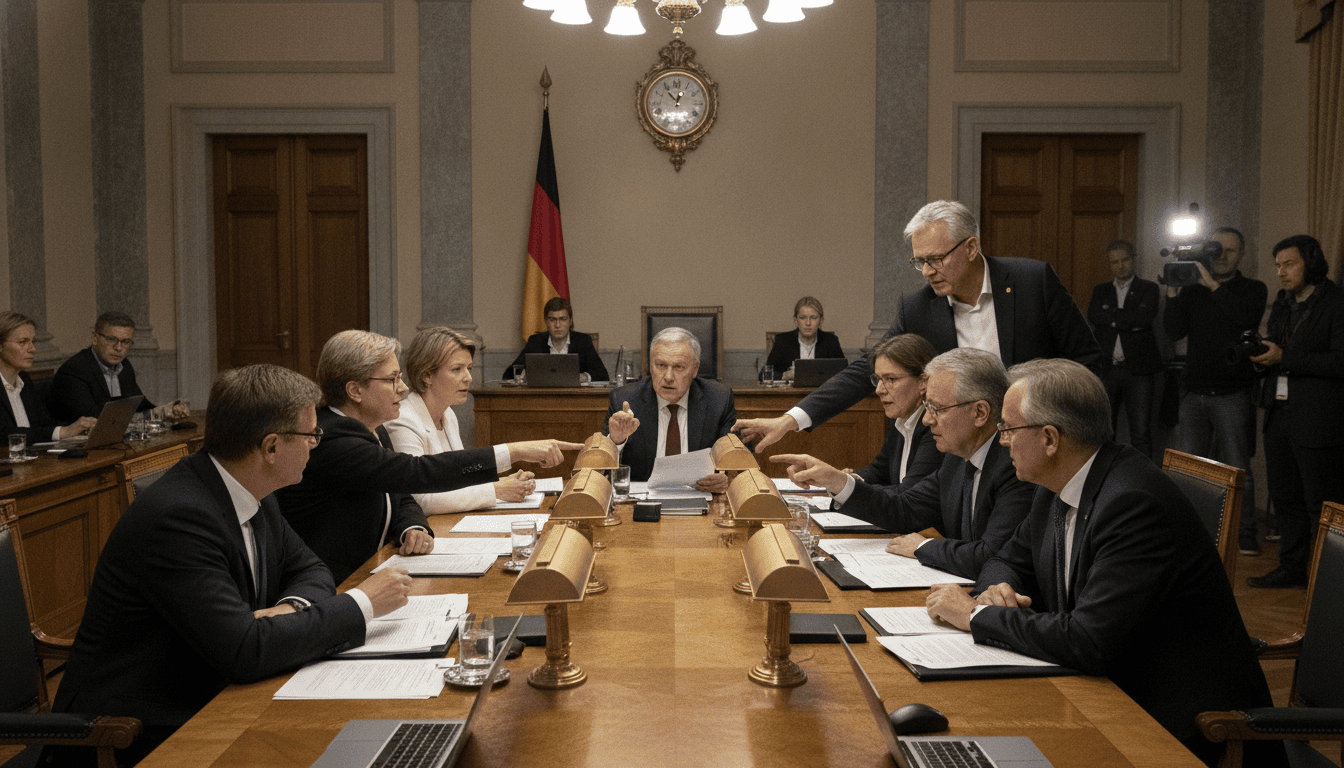
The Bundestag Health Committee was thrown into turmoil after Union and SPD MPs tabled an extensive amendment to the GKV-Beitragssatzstabilisierungsgesetz that opposition deputies received only on Sunday evening. Opposition officials say the paper, running some 300 pages, introduces new substantive elements late in the process and could have “billion-euro effects,” forcing committee members to consider whether a second public hearing is warranted. Committee members were asked to vote by circulation until Tuesday, July 7, 2026 at 13:00 CET on whether the changes justify reopening public deliberations.
Procedural dispute and the vote by circulation
A procedural tussle has emerged over whether the amendments require a new round of public hearings.
Opposition lawmakers argued a first procedural query had been insufficient and that the volume and substance of the alterations demand fresh scrutiny. The Health Committee moved to a written voting procedure, giving members until the announced deadline to decide whether majority support exists to trigger a second hearing.
A request by opposition members for an extraordinary public hearing on Wednesday morning was rejected, heightening tensions inside the committee. Greens and The Left have signalled potential legal action, citing procedural fairness and pointing to parliamentary precedents for requiring additional scrutiny when late changes alter a bill’s substance.
Key fiscal changes in the amendment
The amendment softens previously announced federal subsidy cuts to the statutory health funds.
Under the new text, the federal transfer that currently stands at €14.5 billion per year for non-insurance benefits — such as maternity pay — would be reduced less aggressively than planned. The amendment foresees €13.15 billion in federal transfers for 2027 and €12.95 billion annually from 2028, rather than the originally proposed €2 billion annual reduction.
At the same time, the federal share of contributions for recipients of basic social security would rise gradually, reaching around €2.75 billion per year by 2031. Lawmakers and officials say the changes are part of a broader savings package the government presents as necessary to avoid an estimated €18 billion shortfall for the statutory health insurance system next year.
Policy changes affecting prescriptions and hospital rules
Beyond fiscal adjustments, the amendment includes substantive changes to care and medicines policy.
Cannabis-containing preparations would generally be allowed only after a six-month trial with an approved finished medicinal product, tightening access rules for such prescriptions. The package also proposes removing minimum nurse-staffing thresholds as a gating criterion for hospital service groups, a move that critics say could erode quality safeguards in inpatient care.
The bill further targets rules in the pharmaceuticals sector, proposing revisions that would affect patent-protected vaccines and other high-cost medicines. Supporters argue these measures are needed to stabilise contribution rates; opponents warn they place disproportionate burdens on insured individuals and may weaken patient protections.
Political reactions and stakeholder pressure
Political response has split along predictable lines, with the coalition defending the package and opposition parties mounting sharp criticism.
The Greens have publicly decried the balance of the proposals, saying the law shifts too much cost onto insured patients while preserving concessions to industry and providers. The Left has kept open the possibility of judicial challenges, and several parliamentary groups have called for more time to assess the complex amendments.
Hospitals, physicians and pharmaceutical companies lobbied intensely against many of the proposed cuts in earlier stages of the debate, and industry sources say discussions continued until late Monday. The opposition noted that the final tranche of changes arrived at 18:37 CET on Monday, July 6, 2026, giving deputies little time to evaluate implications ahead of key procedural deadlines.
Legal precedent and potential delays
Opponents have pointed to a 2023 precedent in which parliamentary timing was altered by court intervention.
That case involved heated litigation over the heating law, when CDU lawmaker Thomas Heilmann successfully argued before the Federal Constitutional Court that MPs needed more time to review a heavily amended bill. The court decision effectively delayed passage of that law before the summer recess.
Greens and The Left say they may pursue a similar route if they judge that the committee or plenary rushed consideration without adequate opportunity for review. Legal experts say a successful challenge would likely hinge on whether the late amendments introduced genuinely new material that prevented meaningful parliamentary consideration.
Next steps in the parliamentary timetable
With the committee decision now in hand, the bill faces further votes in the Bundestag timetable before any final passage.
If the Health Committee decides a second hearing is unnecessary, the legislation can proceed to later stages; if a majority finds new facts warrant additional public scrutiny, the timetable could be extended. Lawmakers from both coalition and opposition camps acknowledge the bill’s fiscal stakes and the political sensitivity of measures that would affect contributions, benefits and sectoral regulation.
Parliamentary sources say negotiations within the coalition remain ongoing over unresolved points, and committee chairs have warned that legal challenges could still disrupt the scheduled legislative rhythm. Observers say the coming days will determine whether the GKV-Beitragssatzstabilisierungsgesetz advances on schedule or becomes another high-profile example of procedural contestation in German lawmaking.
The committee dispute underscores the difficulty of reconciling budgetary pressure on the statutory health system with demands for transparent and deliberative lawmaking.
