
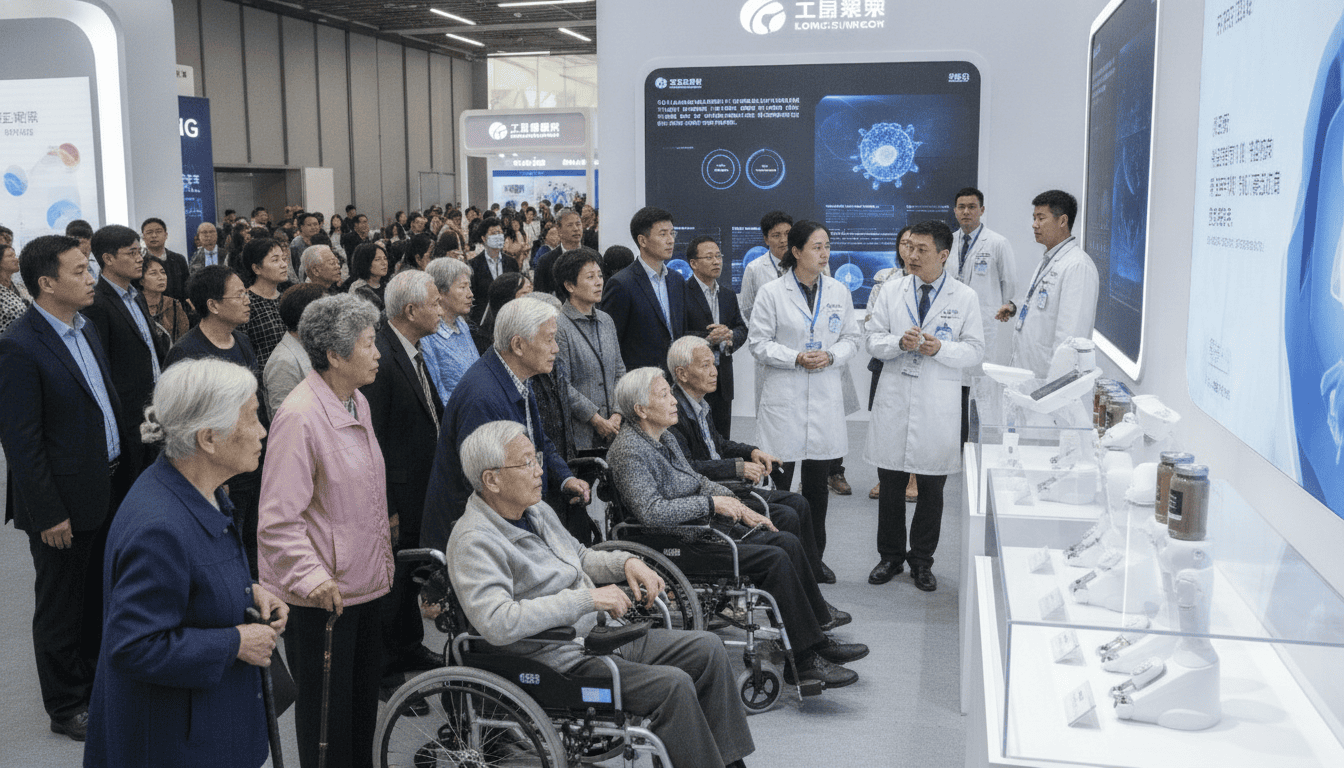
China longevity market accelerates as startups, clinics and investors target ageing population
China longevity market grows as startups, clinics and investors target ageing consumers with supplements, biotech, stem-cell therapies and wellness services.
China’s longevity market is emerging rapidly as entrepreneurs, clinics and investors move to commercialize treatments and lifestyle services aimed at extending healthy life span. The China longevity market is combining medicine, biotechnology and wellness into a single growth sector that promises to reshape care for older adults. Products range from dietary supplements and pharmaceuticals to oxygen therapies, hyperbaric chambers and experimental stem-cell interventions.
Market Emergence and Scope
The longevity sector in China has shifted from niche wellness offerings to a broader commercial ecosystem in the last few years. Private clinics, health spas and biotech startups are packaging anti-ageing solutions alongside traditional medical care to attract wealthier consumers and middle-class families preparing for longer lifespans.
Domestic providers emphasize an integrated model that blends preventive medicine, nutrition, and high-tech interventions. That broad approach positions longevity not merely as clinical research but as a lifestyle market spanning supplements, diagnostics and in-clinic therapies.
Products and Treatments Driving Demand
Commercial offerings in China’s longevity market include pills, nutraceuticals and bespoke supplement regimens tailored to biomarkers and lifestyle data. Clinics and wellness centers are also promoting oxygen therapy and hyperbaric sessions as short-term treatments marketed for recovery and rejuvenation.
On the higher end, some facilities are exploring regenerative medicine, including stem-cell procedures and advanced biologics, although these remain contentious and unevenly regulated. The diversity of products reflects both consumer curiosity about slowing biological ageing and the industry’s drive to monetize a wide range of interventions.
Demographics Fueling Growth
China’s population of roughly 1.4 billion people and its rapidly ageing demographic profile create a deep market opportunity for longevity services. As fertility rates decline and life expectancy climbs, demand for chronic disease management, preventive therapies and quality-of-life interventions is increasing across cities and affluent provincial regions.
Analysts say the scale of potential customers and rising disposable income among older cohorts make China an especially attractive market for companies that can demonstrate safety and measurable benefit. That demographic tailwind underpins investor interest and new service models targeting older adults and their families.
Investment and Startup Activity
Venture capital and private equity have begun to follow consumer demand into the longevity field, funding firms that promise scalable diagnostics, biomarker-driven supplements and digital platforms for ageing care. Incubators and research partnerships are fostering companies that sit at the intersection of biotech and consumer health.
However, the level of capital deployment varies by segment: supplement makers and wellness operators attract faster consumer traction, while deep biotech ventures require longer timelines and larger funding rounds. Investors balance potential high returns against clinical risk and regulatory uncertainty.
Regulatory and Safety Challenges
Regulators face a complex task in overseeing a sector that mixes over-the-counter products with medical procedures and experimental therapies. Authorities must distinguish legitimate clinical innovation from unsupported claims made by some providers, a challenge that affects consumer trust and sector credibility.
Safety concerns are particularly acute for unproven regenerative treatments and for clinics that market invasive procedures without clear evidence. Public health officials and professional societies have urged clearer rules and stronger enforcement to protect patients and ensure that the market develops on a scientifically sound basis.
Inequality and Access Considerations
While the market offers new options for ageing well, access to high-end longevity services remains uneven across income groups and regions. Wealthier urban residents can afford boutique clinics and personalized regimens, while rural and lower-income populations rely primarily on public healthcare that is focused on basic chronic disease management.
This gap raises questions about whether commercial longevity solutions will widen health disparities or prompt public systems to adopt preventive and longevity-focused strategies more broadly. Policymakers will face pressure to integrate effective, evidence-based interventions into universal care frameworks if long-term population health is a priority.
China’s longevity market is developing against a global backdrop where the United States and other countries have already mainstreamed many anti-ageing products and research efforts. Domestic firms and international partners are likely to shape the next phase of growth, but the trajectory will depend on clinical validation, consumer education and regulatory clarity.
The coming years will test whether the China longevity market can translate consumer interest and demographic demand into sustainable, scientifically grounded services that improve healthy life expectancy at scale.
