
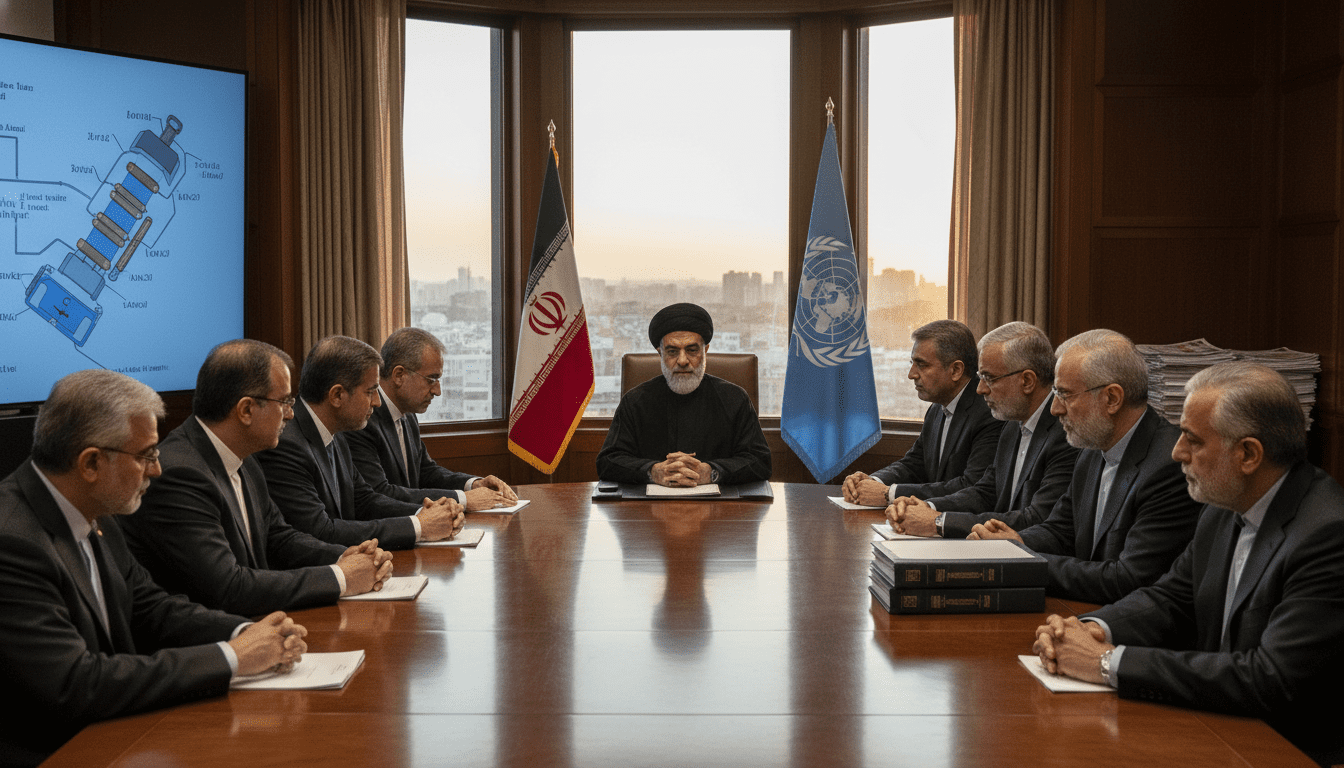
Iranian nuclear program left unresolved as conflict edges toward an inconclusive end
War may wind down without a final peace, and the Iranian nuclear program will be left unresolved, with diplomats saying those talks will be postponed.
A conflict that has consumed months of diplomacy and violence appears likely to ease without a definitive, final settlement, officials and analysts say. The prospect of an end defined by limited agreements and practical arrangements, rather than a comprehensive peace, is gaining traction. Central to that unresolved settlement is the Iranian nuclear program, which parties now appear willing to defer to later negotiations.
Limited agreements instead of a formal peace
Diplomats describe negotiations that focus on immediate necessities rather than sweeping political resolutions. Parties are reportedly drafting a set of operational “bullet points” to reduce violence, secure hostages, and restore basic services in affected areas. Those measures would aim to create breathing space without resolving the deep-rooted political disputes that underlie the conflict.
Even where battlefield pauses and local ceasefires are reached, officials caution these will likely be temporary and narrowly defined. Observers note that such arrangements can stabilize front lines and ease humanitarian access, yet they rarely substitute for a durable political settlement. The absence of a broad political framework raises questions about how long any calm will hold.
Standoff over the Iranian nuclear program
The Iranian nuclear program remains the singular strategic issue that negotiators are not prepared to settle at this stage. While ceasefires and operational steps can be negotiated relatively quickly, the technical, legal, and geopolitical dimensions of Tehran’s atomic activities are more complex. Governments involved in talks say they prefer to postpone those discussions until immediate security pressures are reduced.
This avoidance reflects both tactical calculation and practical constraints, diplomats explain. Countries that view Iran’s program as a regional threat demand exhaustive verification measures and legal guarantees before any substantive concession. Iran and its allies are unlikely to accept that level of scrutiny while broader hostilities continue to shape incentives.
Diplomatic calculus and the choice to defer
Decision-makers appear to have concluded that addressing the nuclear file amid active hostilities would complicate an already fragile process. Senior envoys argue that pressing the Iranian nuclear program now could derail interim understandings and harden positions on the battlefield. Instead, they are prioritizing manageable wins — such as prisoner exchanges and humanitarian corridors — with nuclear talks on a later agenda.
This step-back is not an abandonment but a strategic sequencing, officials say. By securing short-term stability, diplomats hope to build confidence for more difficult negotiations later. Yet there is no agreed timetable for when the nuclear question will be reopened, and that uncertainty is a source of unease among regional partners.
Regional security implications and escalation risks
Leaving the Iranian nuclear program unresolved carries broader risks for regional security dynamics. Neighboring states and external powers may interpret a deferred approach as a temporary lull rather than a long-term solution, potentially prompting unilateral measures or covert action. Analysts warn that ambiguity about Iran’s nuclear trajectory could incentivize arms buildups or proxy escalations.
At the same time, a pragmatic focused settlement might reduce immediate civilian suffering and buying time for multilateral diplomacy. Humanitarian agencies have underscored the urgent need for predictable access and safety guarantees, arguing that lives lost now cannot be recovered by future treaties. Balancing those humanitarian priorities with longer-term nonproliferation goals remains a central diplomatic challenge.
What negotiators say about next steps
Officials involved in shuttle diplomacy emphasize that the decision to postpone nuclear negotiations was discussed explicitly among mediators and principals. They say a phased approach is intended to create conditions conducive to technical verification work and more comprehensive talks. Several capitals have reportedly signaled willingness to support a future, multilateral framework to tackle the nuclear dossier.
Still, the lack of firm commitments on sequencing and benchmarks means future talks could be slowed by renewed tensions or shifts in domestic politics. Negotiators face the task of defining clear triggers for when the Iranian nuclear program will return to the table, along with verification protocols acceptable to a wide range of stakeholders. Absent those specifics, the deferral risks becoming indefinite.
This moment of cautious withdrawal from the most contentious issue of all—Tehran’s nuclear ambitions—reflects a diplomatic judgment about feasibility rather than a resolution of substance. How long that judgment holds will depend on whether interim arrangements deliver stability and on whether external actors can build a credible pathway back to comprehensive negotiations.
