
US Announces 45-Day Extension of Hezbollah-Israel Ceasefire
US announces 45-day extension of the Hezbollah-Israel ceasefire; military talks set for May 29, 2026 and diplomatic meetings on June 2–3, 2026 in Washington.
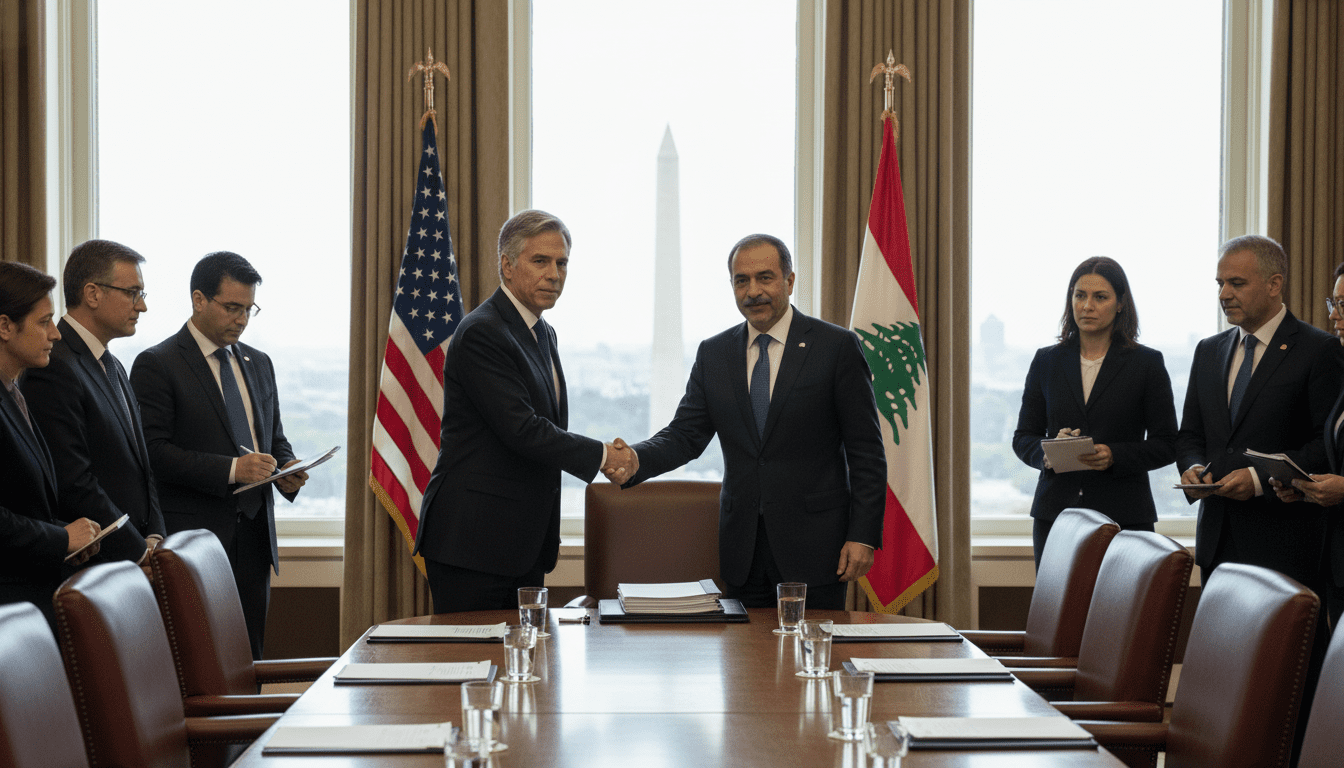
The United States announced a 45-day extension of the Hezbollah-Israel ceasefire on Friday, citing progress in a third round of talks in Washington and plans for follow-up military and diplomatic meetings.
US State Department officials said the extension is intended to reduce violence along the Israel-Lebanon border while negotiations continue, describing the pause as fragile but necessary.
The Hezbollah-Israel ceasefire, brokered in mid-April 2026, has been punctuated by repeated violations, and Washington urged both sides to exercise restraint as talks proceed.
Details of the Extension and U.S. Role
The State Department disclosed that the ceasefire extension will span 45 days, during which the United States will continue to facilitate contact between the parties.
Officials said the announcement followed a third round of discussions between Israeli and Lebanese government representatives hosted in Washington, where U.S. mediators framed the timetable for the next steps.
U.S. officials described the move as a diplomatic effort to steady the front lines while delegations work toward more durable understandings on de-escalation and buffer arrangements.
Schedule for Military and Diplomatic Talks
A military dialogue between Israeli and Lebanese delegations is slated to take place at the Pentagon on May 29, 2026, the State Department said.
That session will be followed by a further round of talks under U.S. auspices in Washington on June 2 and 3, 2026, where civilian and security interlocutors are expected to address operational and verification mechanisms.
Officials framed the two-tiered approach — military-to-military followed by diplomatic engagements — as an attempt to reconcile battlefield realities with political constraints.
Background: Mid‑April Agreement and Its Limits
Lebanon and Israel reached an initial understanding to halt cross-border hostilities in mid-April 2026 after an escalation that threatened a wider conflagration.
The truce sought to reduce artillery exchanges, limit air strikes and establish clearer rules of engagement near the Blue Line, but both sides have since accused each other of breaches.
The latest extension comes as negotiators race to translate temporary security measures into arrangements that can withstand pressures on the ground.
Violations and the Security Situation on the Ground
Despite the ceasefire framework, exchanges of fire have continued, with both Israeli forces and the Iran-backed Hezbollah militia reporting incidents and attributing blame to the other side.
In southern Lebanon, Israeli military operations have included regular air strikes aimed at what Israel describes as militant infrastructure, while Hezbollah has conducted rocket and artillery fire in retaliation.
Humanitarian actors and local officials warn that continued skirmishes risk civilian harm and displacement in communities near the border, complicating any effort to normalize the pause.
Hezbollah Response and Lebanese Government Position
Hezbollah had not immediately issued a statement following the U.S. announcement, and Lebanese government spokespeople offered limited public comment as officials assess the next diplomatic steps.
Beirut’s delegation in Washington participated in the recent talks, reflecting a rare direct engagement between Lebanese representatives and Israeli counterparts mediated by a third party.
Lebanese officials have emphasized sovereignty concerns and the need for arrangements that address both security and political grievances within Lebanon.
Regional Stakes and Diplomatic Implications
Washington framed the extension as part of a broader effort to prevent escalation across the Levant and to manage Iran’s regional influence through de‑escalatory diplomacy.
Analysts say the outcome of the talks will reverberate beyond the immediate border, influencing Syrian and broader Gulf calculations and shaping international responses to cross-border destabilization.
Foreign ministries in Europe and the region have welcomed the US-led initiative but cautioned that durable peace will require parallel political progress and verification mechanisms.
The ceasefire extension removes the immediate threat of a lapse in the truce as negotiators prepare for the scheduled Pentagon meeting on May 29 and the Washington sessions on June 2–3, 2026.
