
BioNTech layoffs: 1,860 roles cut as founders defend closures and shareholders back capital moves
BioNTech layoffs: 1,860 jobs to be cut and production sites closed through 2027 as founders step down; shareholders approve capital increase and $1bn buyback.
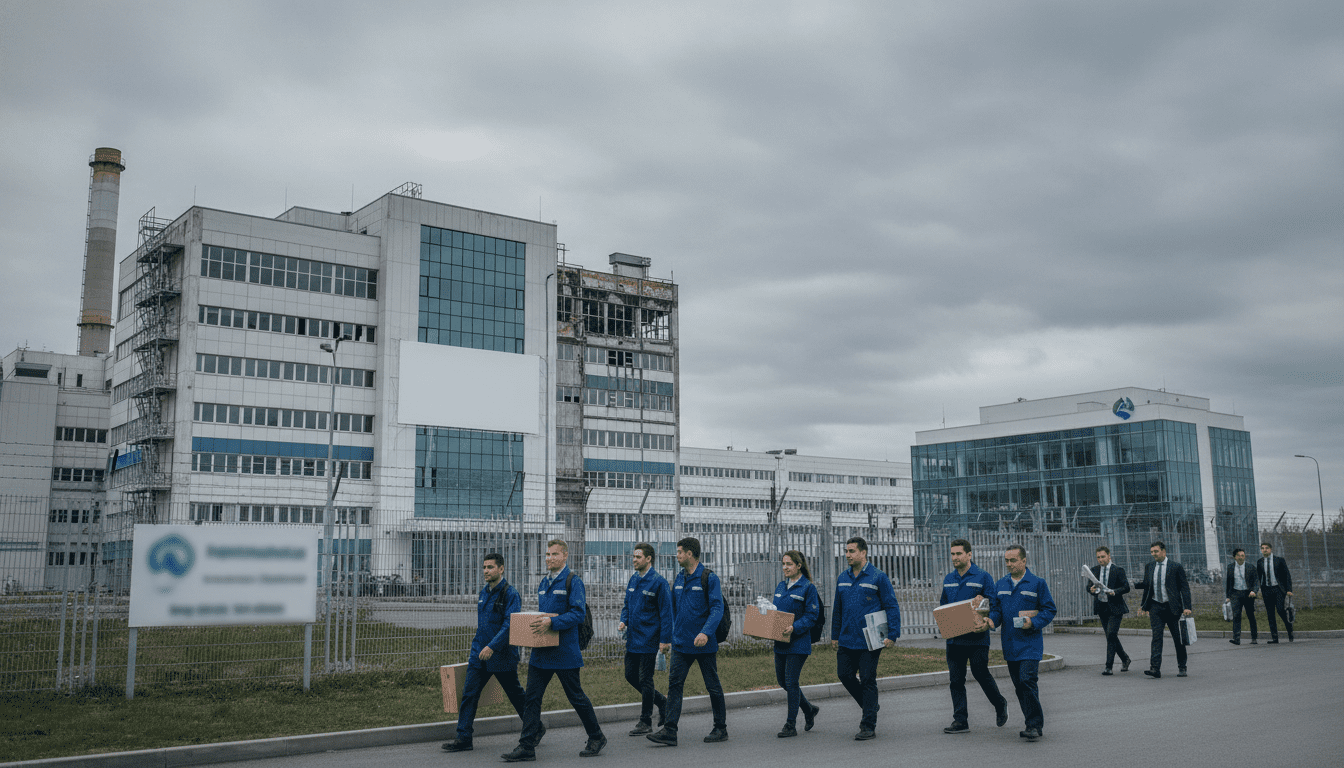
BioNTech announced sweeping restructuring measures at its annual general meeting on Friday, confirming planned layoffs of 1,860 employees and the scheduled closure of multiple production sites as part of a shift toward commercializing its oncology pipeline. The term “BioNTech layoffs” has emerged as the focal point of public and political criticism while company leaders frame the moves as a necessary transition to focus on cancer therapeutics. Founders Uğur Şahin and Özlem Türeci, who said in March they will step down by the end of 2026 to pursue a new mRNA venture, addressed the workforce reductions directly at the meeting.
Founders defend closures at the AGM
Uğur Şahin told shareholders the decision to close facilities in Idar-Oberstein, Marburg, Tübingen and Singapore was taken “with a heavy heart” after detailed analysis and will form part of a broader transition toward commercialization. He said the restructuring aims to accelerate market entry for several oncology candidates and to reshape the company’s cost base as Covid‑era revenues decline. Şahin reiterated appreciation for staff contributions and said the company would offer socially responsible solutions for affected employees while engaging with local and regional partners.
Supervisory board chairman Helmut Jeggle underlined that intellectual property would remain with the BioNTech group and that the company intends to contribute technology to a new start‑up by the founders in return for a minority stake and milestone payments. Jeggle also said the firm had made “substantial progress” in identifying successors for the chief executive and research chief roles, without naming candidates. The board attempted to allay fears that the founders’ exit and subsequent personnel moves would lead to an exodus of patents or core technology.
Production sites in Germany and Singapore to close
Management confirmed the targeted production site closures will be completed by the end of 2027, with a full wind‑down expected by 2029 that the company projects could reduce annual costs by about €500 million. The employer has framed the shuttering as a consolidation of manufacturing capacity in response to lower global demand for Covid vaccines and the need to reallocate resources to oncology development. Local political leaders and employees have criticised the scale of the planned cuts and called for concrete transition measures.
Company executives said discussions with affected regions and scientific partners are ongoing to explore alternatives and mitigate social impacts. BioNTech emphasized that some production capability would be preserved and that remaining sites would support ongoing vaccine supply obligations alongside the new strategic focus. Still, community and worker groups have expressed concern about the potential loss of specialized know‑how tied to the closing factories.
Board and investors back capital increase and buyback
Shareholders voted to raise the company’s authorised capital by the legally permitted maximum of 50 percent, a move expected to bring the figure to roughly €129.5 million and to provide flexibility for future acquisitions and fundraising. Rather than distribute a dividend, BioNTech proposed carrying forward about €7 billion of prior‑year profit to the accounts for 2026 and launching a share repurchase program of up to $1 billion over the next 12 months. Management presented the buyback as a tool to support earnings per share while retaining capital for the research pipeline.
Investor representatives pressed for a dividend, and members of the investor protection association SdK argued that at least part of the funds should be returned to shareholders. CFO Ramón Zapata defended the buyback as a disciplined and flexible capital‑return mechanism while stressing that clinical progress in oncology remains the primary value driver. Nearly all agenda items passed with roughly 99 percent support, signaling shareholder backing for the strategy despite public controversy.
Questions over talent loss and the founders’ new mRNA venture
Pension and investor groups raised alarms that the planned reorganisation and the creation of a new founders’ start‑up could siphon talent and expertise from BioNTech. The Deutsche Schutzvereinigung für Wertpapierbesitz (DSW) asked why the founders could not continue their mRNA research inside BioNTech rather than launching a separate entity, citing risks that employee transfers might drain institutional know‑how. Jeggle rejected the assertion that core staff departures were inevitable and reiterated that patents and platform rights remain with BioNTech.
Management acknowledged that some employees could move to the new venture but insisted that such transfers would not materially weaken the company’s pipeline. The board also said any technology contributed to the start‑up would be exchanged for an equity stake and milestone payments, a structure intended to protect shareholder value. Still, critics argued the arrangements invited close scrutiny to ensure transparency and to prevent conflicts of interest.
Financial backdrop and market reaction
BioNTech reported a wider strategic context of falling Covid revenue and heavy research spending, with a net loss exceeding €1 billion and research expenditures above €2 billion in the prior year. The share price has cooled from pandemic highs above €300 to levels near €80, though some analysts, including at Morgan Stanley, continue to issue price targets north of €100 based on the company’s long‑term oncology prospects. Management framed the restructuring as a necessary realignment to sustain investment in its 17 ongoing oncology programs, none of which have yet reached market approval.
Executives said the capital measures and buyback are designed to balance shareholder returns with the need to fund clinical development and potential acquisitions. Critics remain cautious about whether share repurchases will produce durable value if clinical readouts do not validate the pipeline investments. The AGM demonstrated clear shareholder support for management’s plan, even as public debate intensified about the social and scientific consequences of the workforce reductions.
Pumitamig positioned as lead oncology bet
BioNTech identified Pumitamig, a co‑development with Bristol‑Myers Squibb, as a principal hope for its oncology push, describing the molecule’s dual‑mechanism design as capable of improving immune recognition and suppressing tumor growth. The company is running multiple combination trials testing Pumitamig alongside chemotherapy and other agents across indications including breast, colorectal, gastric and several lung cancer subtypes. Shareholders asked whether combination studies might fail to show significant gains over standards of care, and management pointed to early data suggesting monotherapy and combination approaches remain competitive.
Şahin emphasized that the company’s strategy hinges on converting scientific promise into approved medicines and commercial revenues by 2030, using residual Covid earnings to fund the effort. He framed Pumitamig and the broader oncology pipeline as central to that plan, while acknowledging the uncertainties inherent in clinical development. The company will now face a twofold test: securing favourable trial outcomes and managing the social fallout from its workforce reductions.
BioNTech’s restructuring marks a decisive shift from pandemic vaccine producer to oncology‑focused biotech, a change that has won shareholder approval but provoked public scrutiny over the scale of layoffs and the fate of production hubs. As the company moves to execute site closures through 2027 and advance late‑stage trials, its ability to translate scientific programs into marketable treatments will determine whether the strategy justifies the human and financial costs.
