
Israel issues evacuation orders in southern Lebanon as operations expand north of Litani
Israel issues evacuation orders in southern Lebanon amid a US-brokered ceasefire, expanding operations north of the Litani and prompting civilian displacement.
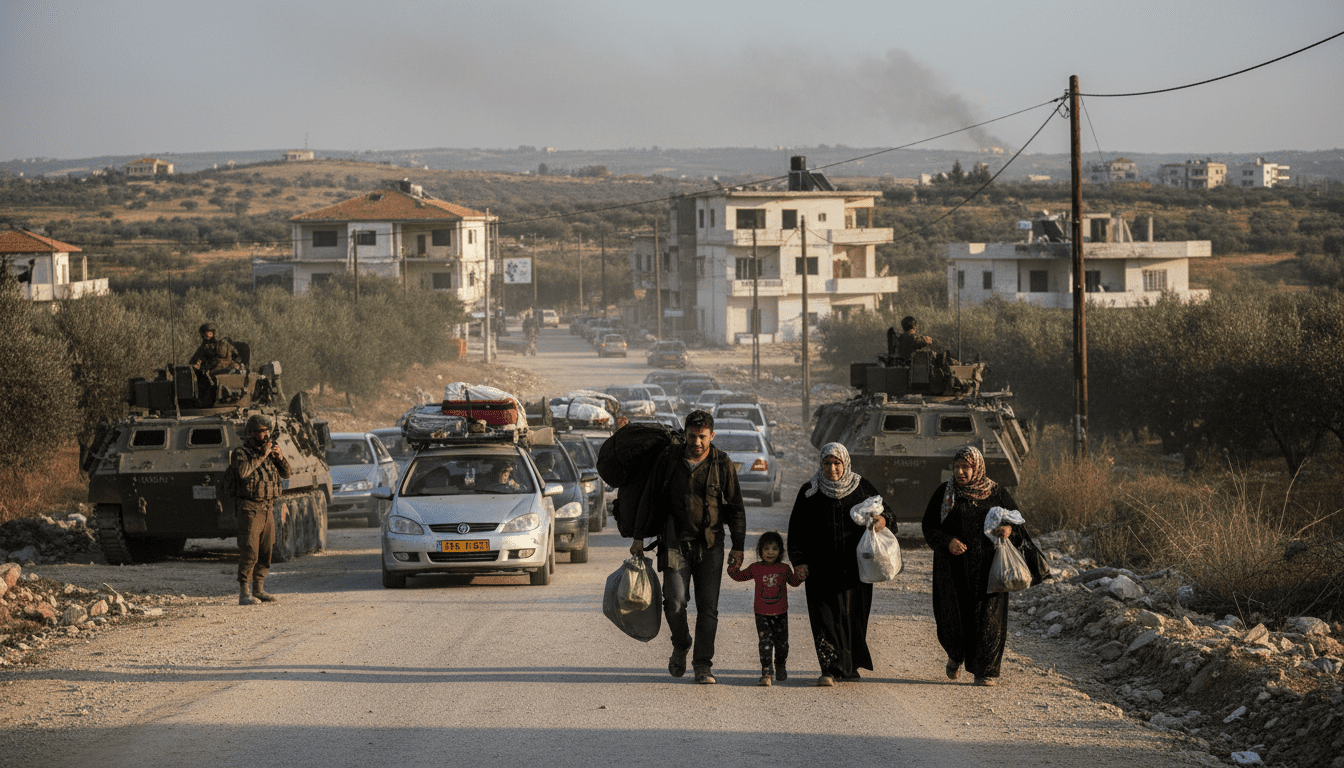
Israel’s military on 3 May 2026 issued new evacuation orders in southern Lebanon, directing residents of more than 10 villages and towns to move at least 1,000 metres from their homes, including communities north of the Litani River. The displacement orders were posted in Arabic by the Israeli military’s spokesman on social platform X and come amid a fragile ceasefire that has been in place since 17 April. Lebanese authorities reported strikes across the south on the same day, raising concerns that Israel’s zone of operations is widening despite diplomatic efforts to contain the conflict.
Evacuation orders and geographic reach
The orders instructed civilians to relocate into open areas at least 1,000 metres from their towns for their safety, a direction that applied to multiple localities in the Nabatieh district. Several of the towns named received such orders for the first time, and some lie north of the Litani River, a line that has served as a de facto limit of Israeli operations until recent weeks. Military officials have previously drawn distinctions between areas under control and those beyond what they call the Yellow Line; the latest orders signal a practical shift in how that boundary is being enforced.
Reports of strikes beyond evacuation zones
Lebanon’s state-run National News Agency and the Ministry of Public Health reported a series of Israeli strikes across southern Lebanon on 3 May, including attacks on towns not explicitly named in the displacement notifications. Health officials recorded at least 10 deaths in the latest operations, and cited an overall toll since the escalation on 2 March of 2,659 dead and 8,183 injured. Local and international reporters on the ground described extensive damage to homes and infrastructure in areas receiving ordnance in recent days.
Ceasefire tensions and military warnings
The evacuation orders arrive against the backdrop of a United States-brokered ceasefire that began on 17 April and was recently extended to mid-May, yet both sides accuse the other of violating its spirit. Israel’s chief of staff warned in late April that the military would strike “beyond the Yellow Line” if threats persisted, and senior commanders have said any attacks on Israeli forces or communities would be met with force even north of the Litani. Israeli officials have also reported recent drone attacks that killed two soldiers and an army contractor and wounded dozens, citing those incidents as justification for expanded operations.
Diplomatic responses and calls for talks
Washington has pressed for direct negotiations between Lebanon and Israel as a pathway to enduring calm, urging both sides to abide by the ceasefire terms and pursue political channels. Lebanon’s president stated that Israel must fully implement the ceasefire commitments before formal talks can proceed, underscoring Beirut’s insistence on verified compliance. International mediators warn that continuing military activity and fresh displacement could undermine the delicate diplomatic momentum achieved in recent weeks.
Humanitarian impact and displacement concerns
Humanitarian authorities in Lebanon and aid organizations have raised alarm over the fresh displacement orders and ongoing strikes, which threaten to multiply a mounting population of internally displaced people. Evacuation into open areas often leaves civilians exposed to weather, shortages of shelter, and disrupted access to medical care, creating urgent needs for food, water and health services. Relief agencies and local health ministries are already stretched, and abrupt relocations complicate planning for distribution of aid and protection services.
The expanding pattern of operations northward of the Litani has deepened fears among residents that the conflict’s footprint is growing and that ceasefire mechanisms are fragile in practice. As diplomatic actors tout negotiations, the immediate priority for communities in southern Lebanon remains safety, access to essential services, and the avoidance of further civilian casualties.
