
Iran economic crisis deepens as fragile ceasefire halts fighting but U.S. blockade chokes trade
Fragile ceasefire paused US-Israeli strikes, but the Iran economic crisis is intensifying as a U.S. blockade restricts port access, pushing prices up and forcing businesses to cut staff.
Ceasefire Pauses Combat but Trade Remains Disrupted
A fragile ceasefire has temporarily halted direct strikes between U.S. and Israeli forces and Iranian targets, yet normal commercial activity has not resumed. Officials and traders report continued interruptions to shipping and customs operations that prevent goods from moving on usual schedules. The cessation of active hostilities has not translated into relief for supply chains or market stability.
U.S. Blockade Shuts Down Major Iranian Ports
Maritime traffic into several Iranian ports has been sharply reduced amid enforcement measures aimed at restricting shipments to and from Iran. Port terminals face reduced callings and longer inspection times, which cargo handlers say is effectively a blockade on key import lines. The disruption is delaying essential imports from food staples to industrial inputs and amplifying shortages already felt in multiple sectors.
Shelves Go Empty as Prices Climb
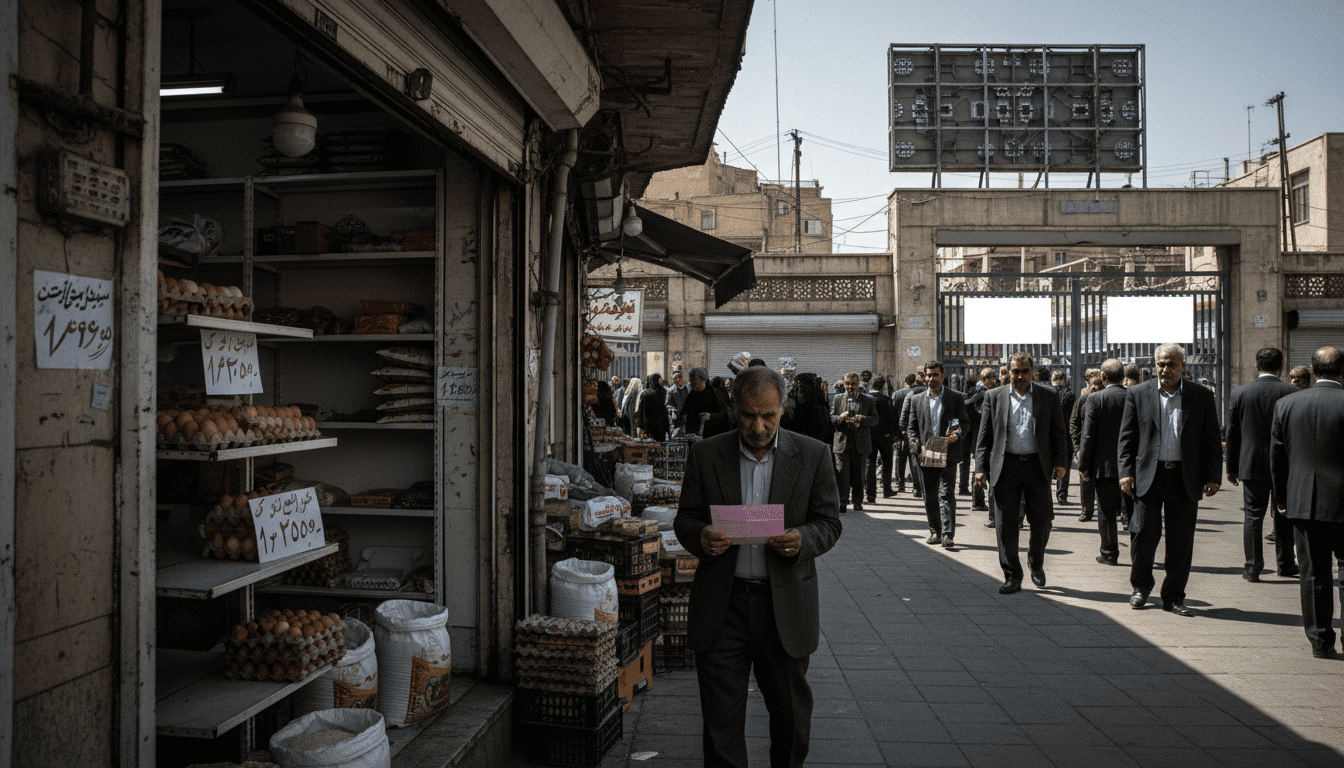
Supermarket owners and market traders report rapid price increases for everyday goods, with staples such as rice, flour and cooking oil increasingly scarce on shelves. Consumers are facing sudden sticker shock as import delays, currency pressures and hoarding behavior converge to drive inflation. Small retailers say supply irregularities force them to raise prices on short notice, further eroding household purchasing power.
Businesses Struggle to Keep Workers
Small and medium-sized enterprises, already operating on thin margins, are cutting hours and trimming payrolls in response to falling revenues and unpredictable supply. Factory managers and shop owners say raw material shortages and rising input costs make it impossible to maintain previous staffing levels. Services and manufacturing sectors are signaling a slowdown in production that could deepen unemployment if supply lines are not restored.
Household Budgets and Public Services Under Strain
Households report reduced spending on non-essential items and a return to informal measures such as shared meals and bulk buying to stretch budgets. Public services from municipal utilities to health clinics are reporting budgetary pressure as subsidies strain government coffers and demand for social assistance rises. Vulnerable populations, including low-income families and pensioners, are disproportionately affected by the combination of higher prices and diminished incomes.
Sanctions and Aid Channels Complicate Relief Efforts
Humanitarian groups and international organizations say standard aid mechanisms face legal and logistical complications because of overlapping sanctions and the maritime restrictions. While some relief consignments are being negotiated, complex clearance procedures and financial barriers delay delivery. Observers warn that economic relief will require both the easing of trade choke points and clarity on sanctions implementation to allow payments and imports to flow.
International traders and freight operators likewise point to insurance and banking constraints that have increased the cost of moving goods, compounding the blockade’s effects. Analysts note that even limited reopenings of port access will take time to clear backlogs and normalize prices given the scale of disruption.
Markets Eye Longer-Term Economic Impact
Economists tracking the situation say persistent supply interruptions could shift production patterns and investment decisions for months to come. Firms reliant on imported components face difficult choices about relocating supply lines or cutting output, and those adjustments will have ripple effects on employment and state revenues. The longer the restrictions on ports and finance persist, the greater the risk of sustained contraction in key sectors.
Traders also warn that rapid currency fluctuations and reduced foreign exchange inflows heighten instability, making it harder for importers to plan and for consumers to anticipate costs. Fiscal pressures on the government may force recalibrations of subsidies and social spending that will be politically sensitive.
Humanitarian organizations are calling for clearer corridors to allow urgent medical and food supplies to reach communities hardest hit by price spikes. At the same time, private businesses are exploring alternative routes and local sourcing options, but these are unlikely to offset immediate shortages.
The current pause in military operations has not translated into immediate economic recovery, and ordinary Iranians continue to face a tightening squeeze on daily life. Restoring sustained trade flows, resolving financial bottlenecks, and stabilizing markets will be critical to easing the Iran economic crisis in the weeks and months ahead.
