
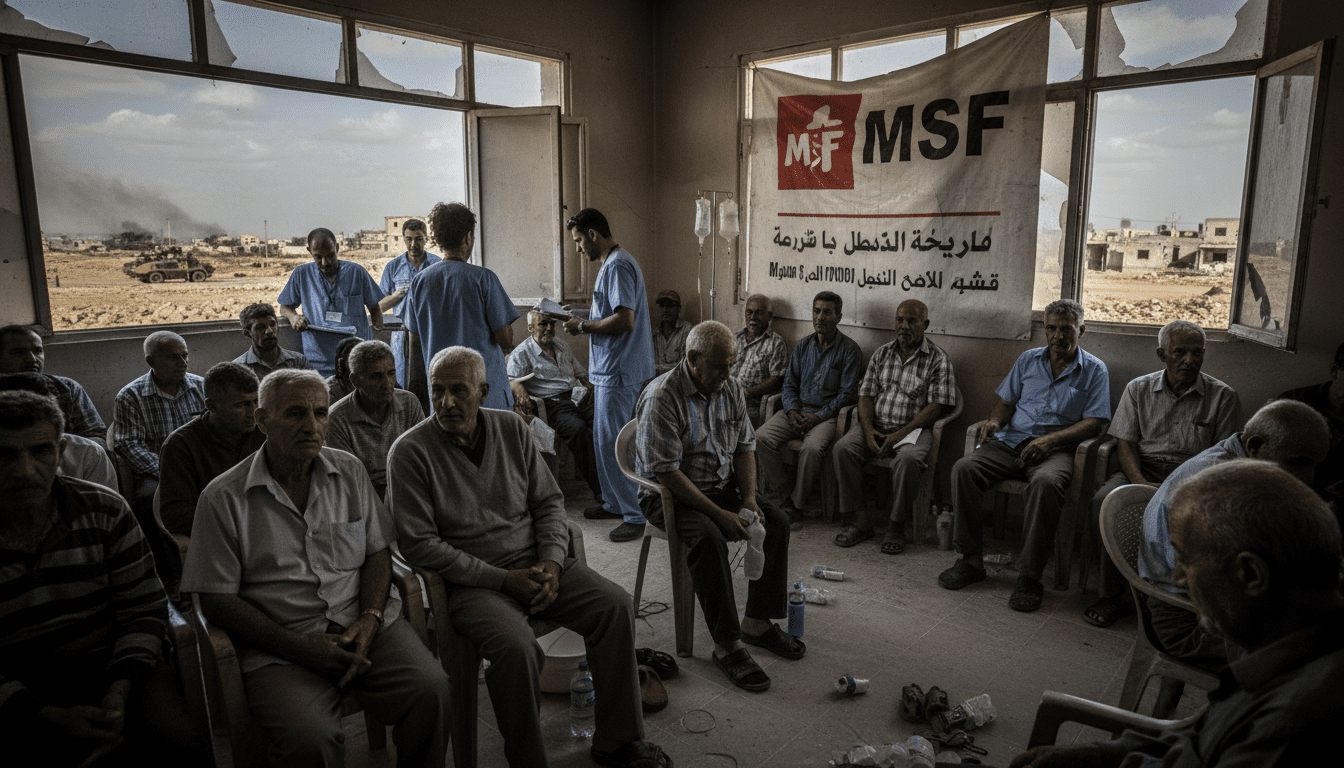
Healthcare in southern Lebanon Strained as Chronic Patients Lose Access Amid Mass Displacement
Healthcare in southern Lebanon faces collapse as mass displacement forces hospitals to prioritize trauma; MSF warns chronic patients are missing urgent care.
Mass displacement overloads regional hospitals
A surge of more than 1.6 million people displaced from their homes has sharply increased demand for emergency services in southern Lebanon. Hospitals and field clinics are reallocating staff, beds and supplies to treat trauma and acute injuries linked to the ongoing violence. This shift has left routine services and long-term care sidelined as facilities contend with overcrowding and limited resources. Médecins Sans Frontières (MSF) staff report that the scale of needs has overwhelmed existing capacity.
Outpatient departments close to free capacity for emergencies
Medical facilities across the region have suspended or curtailed outpatient clinics to concentrate on urgent trauma care. Scheduled consultations, routine follow-ups and diagnostic appointments are being postponed or cancelled as hospitals convert wards for emergency use. Patients who relied on regular contact with clinicians now face months-long gaps in monitoring and medication management. Health workers say the move was necessary to save lives in the immediate term, but it comes at the expense of chronic disease management.
Patients with chronic illnesses are being left without care
People requiring long-term treatments—those with cardiovascular disease, renal failure, diabetes and cancer—are experiencing interrupted care pathways. Dialysis sessions, chemotherapy regimens and medication refills have become harder to access, increasing the risk of complications and preventable deaths. MSF clinicians warned that neglect of chronic conditions will produce excess morbidity that could persist long after acute hostilities end. For many displaced families, the logistical and financial barriers to reaching functioning clinics are now insurmountable.
MSF doctor calls for ceasefire to protect health services
A Médecins Sans Frontières clinician working in the area said the redirection of services demonstrates the immediate toll the fighting has taken on health systems. The MSF doctor told reporters that outpatient care was suspended so resources could be concentrated on trauma and emergency response. MSF has called for an immediate cessation of hostilities to allow medical teams to operate safely and to restore essential services. Humanitarian organizations argue that a pause in fighting is critical to prevent a secondary health crisis driven by untreated chronic disease.
Humanitarian access and supply chains under strain
Logistical constraints are compounding clinical shortages as roads, checkpoints and displacement patterns disrupt the delivery of medicines and medical equipment. Pharmacies and supply depots report dwindling inventories of life-sustaining drugs and consumables, while staff shortages are acute as some health workers have fled their homes or cannot reach hospitals. The interruption of routine supply chains threatens services that depend on regular deliveries, such as dialysis, oncology infusion centers and insulin-dependent diabetes care. Coordination between aid groups, local authorities and hospital administrations remains a key operational challenge.
Long-term public health consequences could outlast the conflict
Experts warn that failing to treat chronic conditions now will increase long-term burdens on Lebanon’s health system and on displaced communities. Untreated hypertension, unmanaged diabetes and interrupted cancer care can accelerate complications that are costlier and more complex to treat later. Mental health tolls among displaced populations may further complicate adherence to treatment and follow-up. Relief organizations are urging immediate measures to safeguard essential chronic care alongside emergency response to avoid a prolonged public health emergency.
Communities, clinicians and aid agencies are facing a dual crisis: treating acute war-related injuries while trying to prevent deterioration among patients with existing medical needs. Restoring outpatient services, securing supply lines and ensuring safe humanitarian access are priorities that health actors say must accompany any immediate medical interventions. Without a rapid improvement in access and protection for health workers, the disruption to healthcare in southern Lebanon risks producing avoidable deaths and lasting damage to the region’s public health infrastructure.
