
Wine Prices in Norway: Why Everyday Bottles Are Costlier, But Luxury Wines Can Be Cheaper
Norway’s state monopoly has produced a pricing paradox: everyday wines often cost far more than in continental markets, while top-tier bottles can sell comparatively cheaply. This article examines wine prices in Norway, the role of the state retailer and the fiscal and logistical drivers behind the gap.
A clear pricing gap for ordinary and premium wines
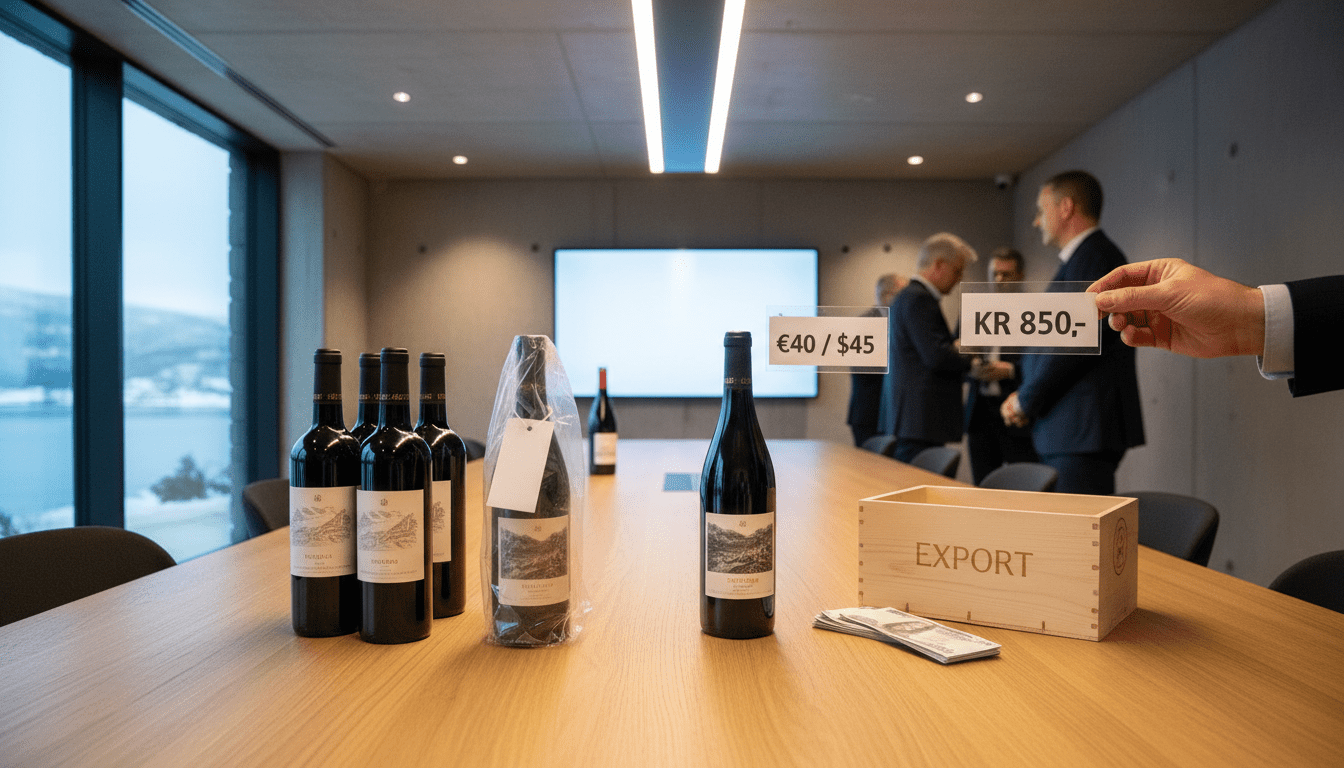
Wine prices in Norway diverge sharply across the market, with mid-range and budget labels routinely carrying higher tags than in Germany and other EU countries. At the same time, very expensive and rare bottles can trade at prices that are competitive with—or even below—European benchmarks. The contrast has drawn attention from consumers, exporters and policy observers who seek to understand how a single market can produce such opposite effects.
How the state retail monopoly shapes shelf prices
Vinmonopolet, Norway’s state-run alcohol retailer, controls legal retail sales of wine and spirits and sets conditions for import and distribution. Its purchasing policies, centralized procurement and nationwide price lists create a level of market access that differs from free-market retail systems. For premium wines, the monopoly’s direct import channels and curated listings can deliver access to rare bottles with relatively modest markups, narrowing their retail price gap with continental sellers.
Taxes, duties and logistics lift everyday costs
A major driver behind the high price of ordinary bottles is taxation and the cost of moving goods into a small, northern market. Alcohol excise duties, value-added tax and regulatory compliance add layers to the final price that do not exist to the same degree in many wine-producing countries. Freight, storage and per-unit handling costs in a market with lower volumes also push retail margins up for mass-market wines, making everyday drinking bottles noticeably more expensive for Norwegian consumers.
Why premium bottles can appear cheaper in Norway
The relative attractiveness of high-end bottles in Norway stems from different dynamics within the same system. When Vinmonopolet selects premium wines for its assortment, it often negotiates terms directly with producers or specialized importers, enabling better pricing for scarce items. In addition, the monopoly’s standardized markups and transparent price setting can mean that an expensive wine’s higher base price absorbs taxation and distribution costs in a way that makes the retail figure closer to international levels.
Consequences for producers and exporters
Producers in Germany and elsewhere face a mixed picture when selling into Norway. Mid-range labels encounter price resistance that limits volume growth, while access to the monopoly’s premium listings can open lucrative opportunities for prestige brands. Exporters must therefore weigh whether to pursue broader distribution of affordable lines—where margins are squeezed by duties and logistics—or to focus on higher-end offerings that may find more favorable positioning under the state retailer’s procurement model.
Consumer responses and cross-border shopping trends
Norwegian consumers have responded to the price disparity through travel, online research and duty-free purchases, creating steady cross-border flows for everyday wine. Short trips to Sweden, Germany or Denmark remain popular for shoppers seeking lower prices, and some buyers use private imports or travel allowances to reduce costs. These behaviors underscore how price differentials influence purchasing decisions and place informal pressure on the domestic market.
Policy debates and potential shifts in the market
The paradox has fueled debate within Norway about the balance between public health objectives, market efficiency and consumer choice. Advocates for liberalization argue that opening retail to competition could narrow the high-end of mass-market pricing, while opponents emphasize that the monopoly safeguards strict controls on alcohol sales. Any change in taxation, import rules or the monopoly’s operating model would likely alter how wine prices in Norway compare with the rest of Europe.
Norway’s unusual mix of fiscal policy, market structure and centralized retailing has produced a situation in which wine lovers pay more for everyday bottles but can still find bargains among the most expensive labels. For exporters, retailers and consumers, the result is a market of contrasts that reflects broader trade-offs between public policy and economic competition.
