
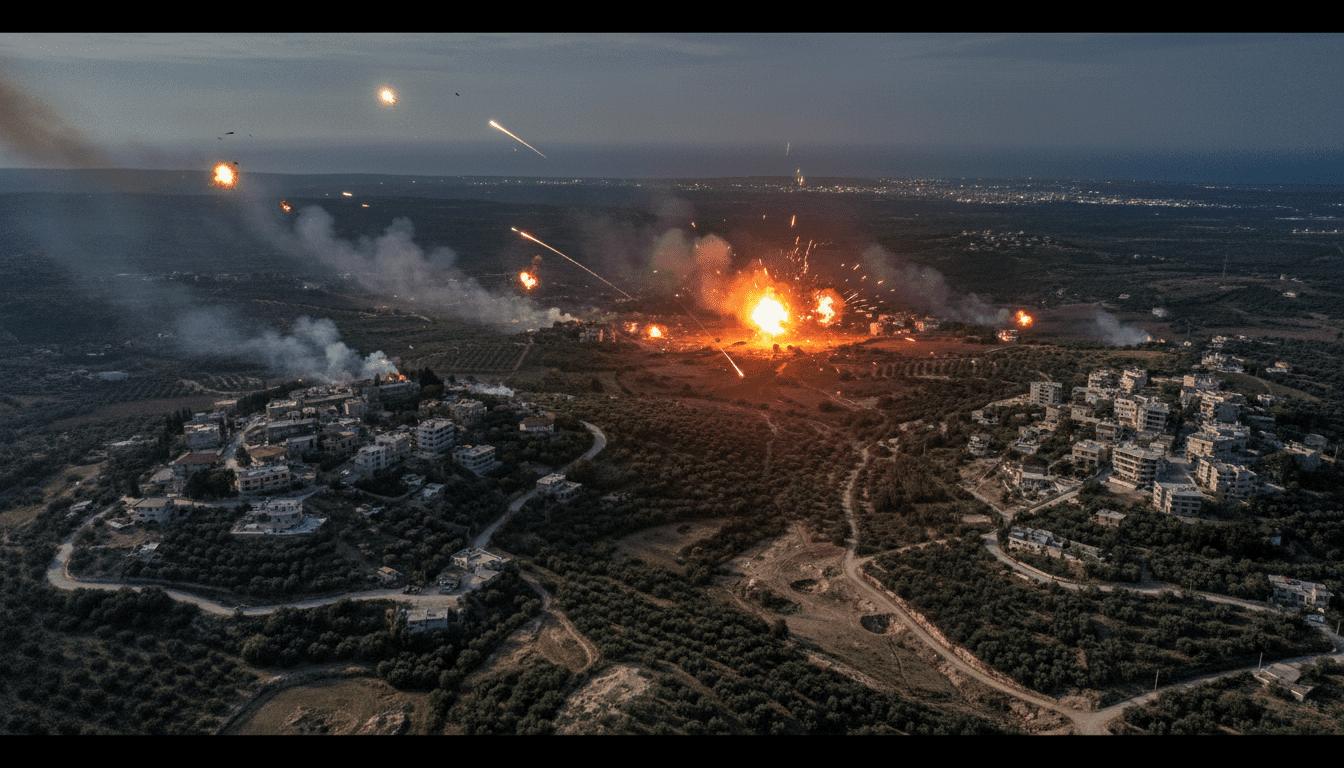
Israeli Strikes in Southern Lebanon Hit Touline and Khirbet Selm Hours After U.S. Ceasefire Extension
Israeli strikes hit Touline and Khirbet Selm hours after U.S. President Donald Trump announced a three‑week ceasefire extension, marking a fresh flare-up on the Israel-Lebanon border.
Israeli strikes in southern Lebanon resumed within hours of the U.S. announcement, with two strikes reported in the town of Touline and a separate strike in Khirbet Selm. Artillery fire was also reported on the outskirts of Touline, according to the initial reports of the incident. The timing underscores enduring volatility along the frontier despite diplomatic efforts to pause hostilities.
New strikes hours after ceasefire extension
The attacks occurred shortly after the White House declared a three‑week extension to the ceasefire between Tel Aviv and Beirut. That announcement, attributed to U.S. President Donald Trump, was intended to prolong a fragile lull in cross‑border exchanges. Despite the extension, military action on both sides resumed, suggesting that operational tensions remain high.
Targets and locations hit
Local reports identified two strikes in Touline and one strike in Khirbet Selm, both towns in southern Lebanon near the border with Israel. Observers also noted artillery shelling on the outskirts of Touline, indicating a combination of aerial and ground-based fire. Precise details on the extent of damage and any casualties were not immediately available.
Military context and tactical pattern
The mix of targeted strikes and artillery shelling reflects a pattern of rapid, localized engagements that have characterized recent border incidents. Such strikes typically aim at specific positions or suspected militant activity, though confirmation from either military side was not cited in early reports. The use of both munitions and artillery suggests a calibrated response rather than a large-scale offensive.
U.S. role and the ceasefire extension
The three‑week ceasefire extension announced by the United States sought to maintain a reduction in direct clashes between Israeli and Lebanese forces. Washington’s statement framed the move as an effort to stabilize the situation while diplomatic channels remained active. The return of hostilities within hours, however, highlights the limits of external guarantees when tensions on the ground persist.
Local civilian impact and community response
Residents in the affected villages reported shock and concern as strikes hit populated areas near the borderline. Even when strikes target military objectives, the proximity of homes and infrastructure raises the risk of civilian harm and displacement. Local authorities and community leaders typically call for restraint after such incidents, urging both sides to prevent further escalation.
Border monitoring and potential escalation pathways
Incidents of this type risk triggering wider exchanges if either side interprets them as deliberate violations of the ceasefire framework. Border monitoring mechanisms and on‑the‑ground observers can help de‑escalate, but their presence does not eliminate the chance of rapid retaliation. Analysts warn that continued skirmishes could undermine diplomatic efforts and complicate regional stability.
Diplomatic options and international responses
Following renewed strikes, diplomatic channels often intensify as foreign governments and international organizations call for calm. The U.S. announcement of a ceasefire extension signaled an active American role in managing the stand‑down, but on‑the‑ground adherence depends on local commanders and political leaders. Observers say renewed shelling will likely prompt renewed consultations among stakeholders seeking to prevent a broader confrontation.
The interplay between tactical military action and strategic diplomacy is now in clear focus, with both sides facing pressure to avoid miscalculation. Continued reporting from the border will be essential to determine whether these strikes represent isolated incidents or a deterioration of the ceasefire framework announced earlier.
