
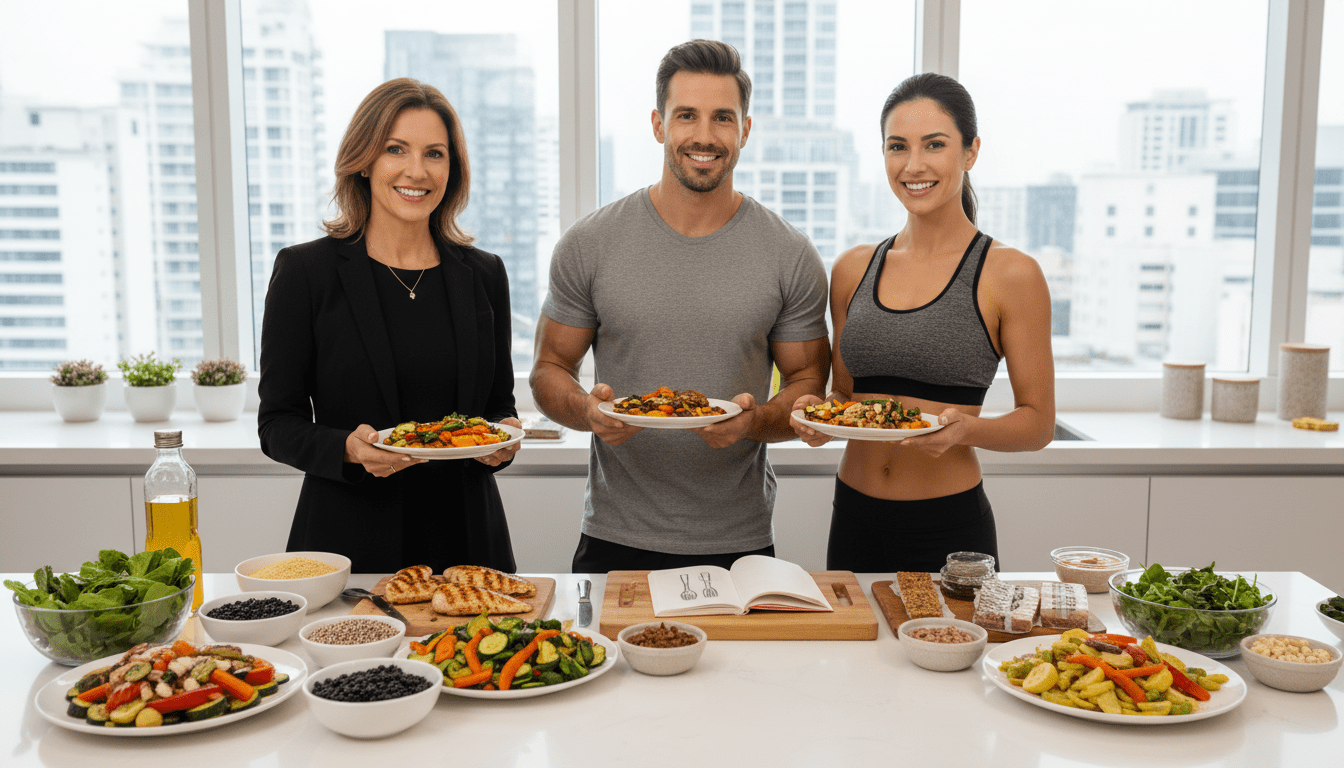
High-Protein Meals: 7 Low-Calorie Recipes to Build Muscle and Support Weight Control
Discover seven high-protein meals—turkey chili, caprese burgers, fish tacos and more—designed to boost muscle, lower calories, and simplify weekly meal prep for balanced eating.
Quick summary of the recipe roundup
A new collection of seven high-protein meals highlights affordable, lower-calorie options built around lean meats, seafood and plant proteins. The recipes are presented as practical choices for people seeking to increase daily protein without dramatically raising calories. Each dish lists an estimated protein content per serving so readers can match meals to personal protein goals.
Key protein counts for each recipe
Several recipes deliver roughly 30 grams of protein per serving, making them good single-meal targets for many adults. White turkey chili and caprese turkey burgers each provide about 30 grams of protein, coming from turkey, cheese and beans or whole-grain bread. Two grilled fish tacos provide about 26 grams of protein, offering a seafood-based alternative with fresh vegetables.
Additional moderate-protein options
Other recipes on the list supply moderate protein while keeping calories controlled and fiber high. Cauliflower fried rice with shrimp and garlic chicken thighs with vegetables each contain about 19 grams of protein per serving, pairing lean protein with vegetables for volume and nutrients. Creamy polenta with a fried egg and roasted veggies offers about 14 grams of protein, and spaghetti squash pizza boats provide roughly 12 grams per serving when made with cheese and lean meat alternatives.
Nutrition notes: lean proteins and plant-based boosts
Turkey and chicken are highlighted for having similar protein levels to other meats but typically lower fat and calorie counts, which can help with calorie control. Beans and legumes are recommended as plant-based protein and fiber sources that increase satiety without adding much fat. Seafood choices such as shrimp and tilapia contribute lean protein and omega-3s, while lower-fat cheeses like mozzarella or cottage cheese can add creaminess and extra protein with fewer calories than higher-fat cheeses.
Practical meal-prep strategies
The roundup emphasizes simple meal-prep tactics to keep protein intake consistent across the week. Cook bulk portions of lean meats, legumes and grains separately, then combine them into bowls, wraps or salads for rapid meals. Prepare high-protein snacks—hard-boiled eggs, yogurt, cheese sticks or mixed nuts—to spread protein intake across the day and make it easier to reach daily targets.
Portion guidance and daily protein needs
General protein guidance cited in the recipes follows common recommendations that adults require about 0.36 grams per pound (0.8 grams per kilogram) of body weight, with active people needing more for maintenance and muscle growth. The individual protein counts provided for each dish make it easier to plan meals that meet those targets; for example, two 30-gram meals plus a high-protein snack can substantially cover a moderately active adult’s daily needs. For people managing conditions such as type 2 diabetes, higher-protein plans have been associated with meaningful weight loss—studies report average reductions of roughly 7–8 kilograms (15–17 pounds) over six months in some trials—though individual results vary.
How to adapt recipes for taste and dietary needs
The suggested dishes are flexible and can be modified to suit vegetarian, low-carb, or higher-calorie requirements. Swap pepperoni for lean ground beef or plant-based crumbles in spaghetti squash pizza boats, use brown rice instead of cauliflower rice if more carbohydrates are desired, and replace mozzarella with a dairy-free alternative for lactose intolerance. Seasonings, vegetables and portion sizes can be adjusted to align with calorie goals without sacrificing protein content.
A balanced approach that combines these recipes with vegetables, whole grains and sensible portion control can help people increase daily protein while managing calories, supporting both muscle maintenance and weight-management goals.
