
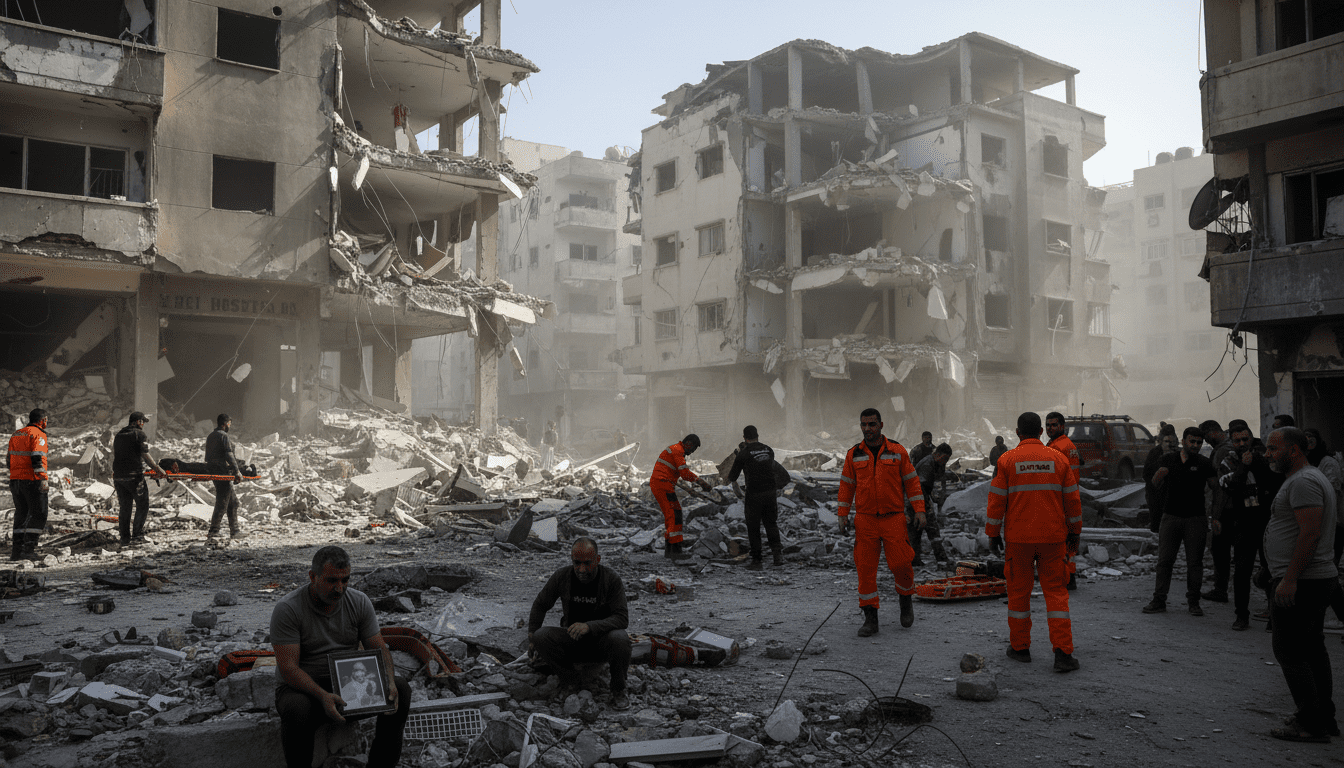
Lebanon Says Over 2,100 Killed Since Israeli Attacks Resumed
Lebanese health ministry reports at least 2,167 dead and 7,061 wounded since Israeli strikes resumed on March 2, deepening a humanitarian crisis in Lebanon.
Lebanon’s health ministry reported that at least 2,167 people have been killed and 7,061 wounded since Israeli attacks resumed across the country on March 2, underscoring the heavy civilian toll of the renewed strikes. The ministry’s figures, released as clashes and strikes continued, indicate the impact stretches beyond immediate combatants to communities and medical facilities throughout Lebanon. Humanitarian responders and local authorities warn that the casualty numbers will strain already limited resources and complicate relief efforts.
Health Ministry Figures and Timeline
The health ministry provided the casualty tallies, stating the deaths and injuries occurred since the resumption of attacks on March 2. These official figures form the primary public record of the human cost reported to date and are central to assessing the scale of the crisis. Authorities have not released a detailed daily breakdown in the statement, but the cumulative totals signal sustained and widespread violence over the weeks since the escalation began.
Medical Services Under Pressure
Hospitals and clinics in affected areas are facing increased demand from thousands of wounded patients, according to health officials and local medical sources. Emergency services and trauma wards report high caseloads that strain staffing, supplies and bed capacity, complicating routine care for other medical needs. The surge of casualties risks longer-term impacts on the health system, including interrupted services for chronic conditions and maternal care.
Civilian Displacement and Shelter Needs
The renewed strikes have prompted internal displacement as families seek safety away from frontline areas and towns hit by bombardment. Displacement patterns vary by locality, but shelter needs are mounting in camps, host communities and temporary reception centres. Humanitarian agencies note that shelter, clean water, sanitation and protection for vulnerable groups are immediate priorities amid the population movements.
Infrastructure Damage and Essential Services
Reports from municipal officials and observers indicate that infrastructure across multiple areas has been damaged or put out of service by the strikes. Damage to roads, power stations and water systems increases the difficulty of delivering aid and maintaining healthcare operations. Restoring essential services will be a complex task requiring secure access, materials and coordination among local authorities and international partners.
Humanitarian Access and Aid Delivery Challenges
Humanitarian organizations are calling for unimpeded access to reach affected populations, emphasizing that safe corridors and guarantees for aid convoys are essential to meet urgent needs. Logistical hurdles, security constraints and damaged infrastructure are cited as major obstacles to rapid assistance. Agencies are prioritizing lifesaving supplies, trauma care support and basic household items for newly displaced families.
Regional Security Outlook and Ongoing Hostilities
The security situation remains volatile, with continued strikes and military activity raising concerns about further escalation and broader regional repercussions. Local officials and analysts warn that the persistence of attacks increases risks to civilians and could prolong displacement and humanitarian hardship. Diplomatic channels are being used by various governments and international organizations to urge restraint and to seek ways to de-escalate the situation.
Humanitarian groups, along with local and international medical teams, have emphasized the urgency of protecting civilians and ensuring medical neutrality as casualty numbers rise. Coordination among ministries, municipal authorities and aid agencies will be crucial to prioritize the most urgent medical and shelter needs. As the situation develops, accurate reporting from official sources like the health ministry will remain essential for planning relief operations and tracking the human impact of the resumption of strikes.
