
New guide maps the best wine hikes from Berlin
Explore wine hikes from Berlin in WeinWandern Deutschland, a German guide by Dan Cole & Yvonne Hartmann with day-trip routes, VDP wineries and train access.
New guidebook charts wine hikes from Berlin
Dan Cole and Yvonne Hartmann have published WeinWandern Deutschland, a guide that brings wine hikes from Berlin into focus for day trippers and regional explorers. The book compiles routes that are reachable by public transport and highlights wineries, walking trails and local tasting spots. The project follows the authors previous work on beer hiking and expands the concept to cover vineyards across eastern and central Germany. Readers can expect practical directions alongside cultural and historical context for each route.
Authors expand from beer trails to vineyard walks
Cole and Hartmann built their reputation with guides that pair light hiking with beverage culture and now apply that same approach to wine. Their research emphasises accessible itineraries that blend scenic walking with sanctioned tastings and short visits to VDP classified estates. The book is written in German and targets both domestic readers and English speaking residents in and around Berlin who use regional trains. The authors describe the shift as a response to growing interest in short rural escapes that can be completed within a day.
Reassessing East German viticulture and quality labels
The guide challenges assumptions about eastern Germany and wine quality by documenting centuries of local viticulture. Both Brandenburg and Saxony feature frequently, with routes that illustrate why these regions deserve renewed attention. The book points out that many vineyards in the east receive unusually high sunlight for Germany and that local producers are winning awards at national competitions. It also notes the presence of VDP classified producers near Berlin and explains what that classification means for quality and cellar standards.
Why Werder and Potsdam are practical wine hike choices
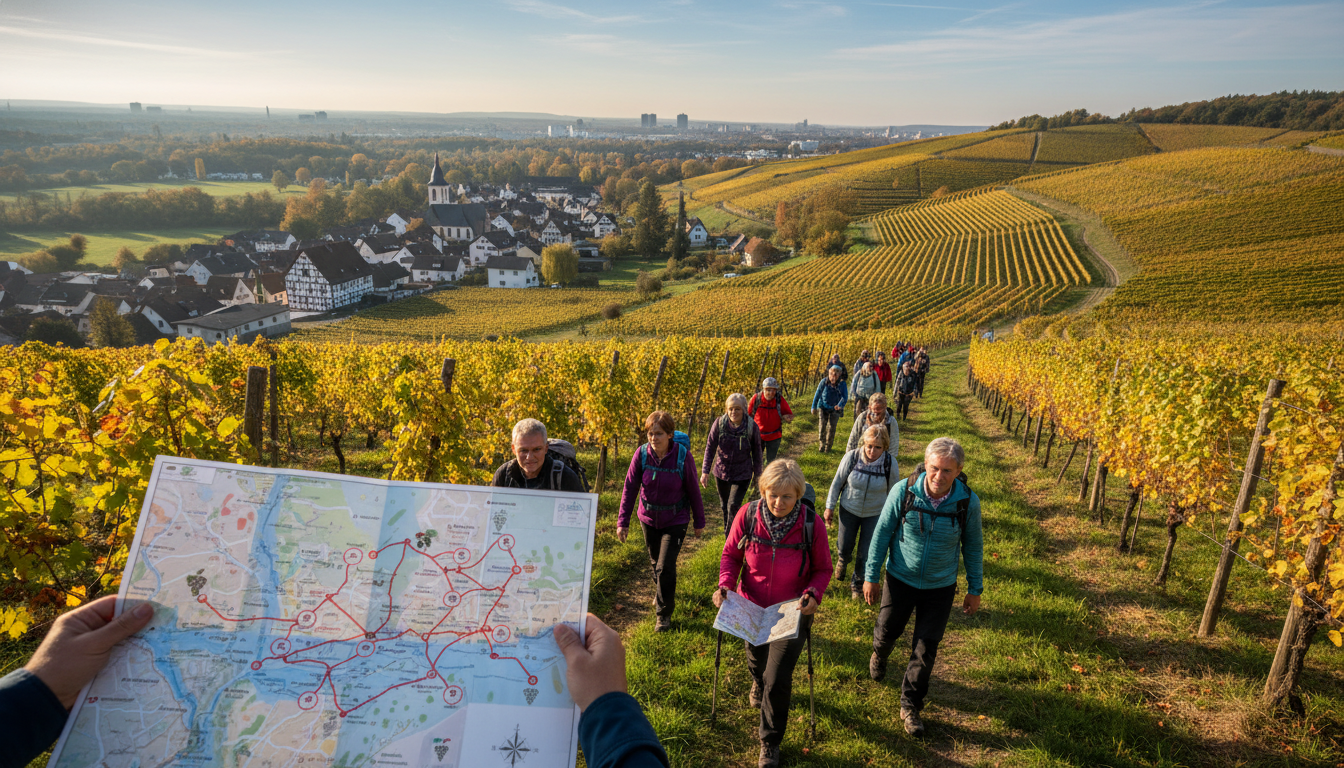
One of the standout day trips described is the Werder Wine Hike, a short five kilometre loop that places hikers within easy reach of a VDP classified estate. Weinbau Dr Lindicke sits on a hillside overlooking the Havel and operates a small summer hut where visitors can sample Müller Thurgau, Sauvignon Blanc and a selection of local reds. The proximity to Potsdam and direct rail links make Werder a feasible choice for city residents seeking a compact wine outing. The route combines waterside views with easy vineyard walking and a low physical barrier to entry.
Examples of routes and what hikers should expect on the trail
The guidebook offers a variety of route types from short circuits to longer day hikes with multiple tasting stops, each described with distance, difficulty and public transport options. Paths often run along rivers or through historic vineyard terraces and include practical notes on opening times and seasonal availability. Hikers should expect a mix of surfaced vineyard tracks and short sections of country lane, with many routes suitable for families and less experienced walkers. The authors recommend checking train timetables and winery opening hours in advance, especially during harvest.
Access by regional transport and the role of the Deutschland Ticket
A central premise of the guide is that many wine hikes from Berlin are reachable by regional trains and local buses, offering an alternative to car based wine tourism. Using the Deutschland Ticket or regional day tickets makes these outings affordable and reduces the need to designate a driver. The book provides guidance on nearest stations, approximate walking times from platforms and sensible logistics for combining a hike with winery visits. This practical transport focus aims to broaden access and encourage sustainable short trips from the capital.
Saxony and Brandenburg on the itinerary for quality discoveries
Saxony receives particular attention for producing some of Germanys most notable eastern wines, while Brandenburg is presented as a region of emerging quality. The guide documents specific estates and tasting locations that have garnered recognition, and it situates those producers within the wider landscape of historic viticulture. Readers will find route suggestions that pair architectural or historical points of interest with vineyard stretches. Together these itineraries aim to change the perception that quality German wine is restricted to the Mosel or Rhine valleys.
How the guide balances history, tasting notes and hike logistics
Each chapter combines short historical sketches with sensory descriptions of grape varieties and clear practical directions for hikers. The authors translate tasting impressions into accessible terms and recommend varietals to look for on each route. Safety and etiquette appear as standard briefings, including advice on staying on marked paths and respecting private property. Photographs and simple maps accompany many entries to help users visualise the route before they travel.
The book encourages a slow travel approach that privileges conversation with winemakers and time spent at vineyard huts over a hurried checklist of bottles. Several entries note family run estates where producers are open to small groups and provide short cellar tours on request. The paired walking and drinking format is presented as a way to learn regional differences through landscape and glass.
Practical preparation is treated in its own short sections that address footwear choice for mixed terrain, weather contingencies and packing a lightweight picnic. The authors recommend bringing a refillable water bottle and a compact rain shell even for short routes. They also suggest simple tasting etiquette for those new to wine sampling in German wineries.
Sample profile of Weinbau Dr Lindicke and the Werder route
Weinbau Dr Lindicke appears as a representative example of a high quality Brandenburg estate within easy reach of Berlin. The winery holds a VDP classification and operates a small seasonal hut among its vines that serves by-the-glass tastings during warm months. The Werder Wine Hike is described as a five kilometre loop with gentle elevation and panoramic views over the Havel river. The guide suggests arriving by regional train, walking the loop at a relaxed pace and finishing with a tasting at the hilltop hut.
Visitors are advised that opening hours can be seasonal and that advance contact may be required for groups. The book lists the most common grape varieties to expect on the Werder route, including lighter whites such as Müller Thurgau and aromatic Sauvignon Blanc, as well as a small selection of reds developed to suit local conditions. This short route is pitched as suitable for families and for people seeking a half day out without long transfers.
Seasonal considerations and the harvest experience
The timing of a wine hike can greatly change the scenery and the visitor experience, and the guide offers seasonal notes for every route. Spring and early summer highlight fresh green growth in the rows and milder walking conditions, while late summer brings warmer weather and the first aromas coming from the vines. Harvest season offers the most animated experience but is also the busiest and can require prior arrangement for tastings. The authors underline that winter walks are possible on many routes but that tasting huts may be closed outside the main season.
Local hospitality and small scale producers
A recurring theme in the book is the importance of small producers and community run serving huts in maintaining regional wine culture. Many of the vineyard stops are not large commercial tasting centres but rather modest operations run by families or cooperatives. These producers often combine touring, tastings and direct sales and are integral to the walking experience. The guide recommends supporting such businesses through purchases and by respecting their operating rhythm.
Safety, licensing and consumer advice
The authors provide practical reminders about the legal and ethical frameworks around tasting and purchasing alcohol while on a hike. They note that wineries follow strict licensing regulations and that most tasting huts are equipped to manage small groups responsibly. The guide also offers pragmatic advice on moderate consumption, use of public transport and the availability of non alcoholic alternatives. It encourages readers to plan return journeys in advance and to prioritise safety when sampling on the same day as shared transport.
Who the guide is aimed at and language availability
WeinWandern Deutschland is published in German and aimed primarily at domestic readers and German speaking visitors, but its structure and route choices will be useful to English speaking residents in Berlin as well. The guide targets people who enjoy short rural escapes, those who prefer day trips to overnight stays and walkers who like combining scenic routes with tasting sessions. Translation or bilingual editions are not currently noted in the book text, but the straightforward route descriptions make the content accessible to non native speakers with a basic knowledge of German.
The focus on short, train friendly routes appeals to residents of Berlin and Potsdam who want to explore terroir close to the city. It also serves travel writers and cultural visitors looking for off the beaten path wine experiences beyond the Rhine and Mosel.
The authors emphasise that the book is a manual more than a catalogue, and it is intended to be used alongside local opening information and current travel timetables.
This guide reframes day trips from Berlin as opportunities to discover lesser known German wine regions and to connect landscape with local production in an afternoon.
