
Merz Assures No Cuts as German Pension Reform Debate Intensifies
German Chancellor Friedrich Merz pledged no cuts to the statutory pension while urging a broader rethink of German pension reform to include occupational and private pillars.
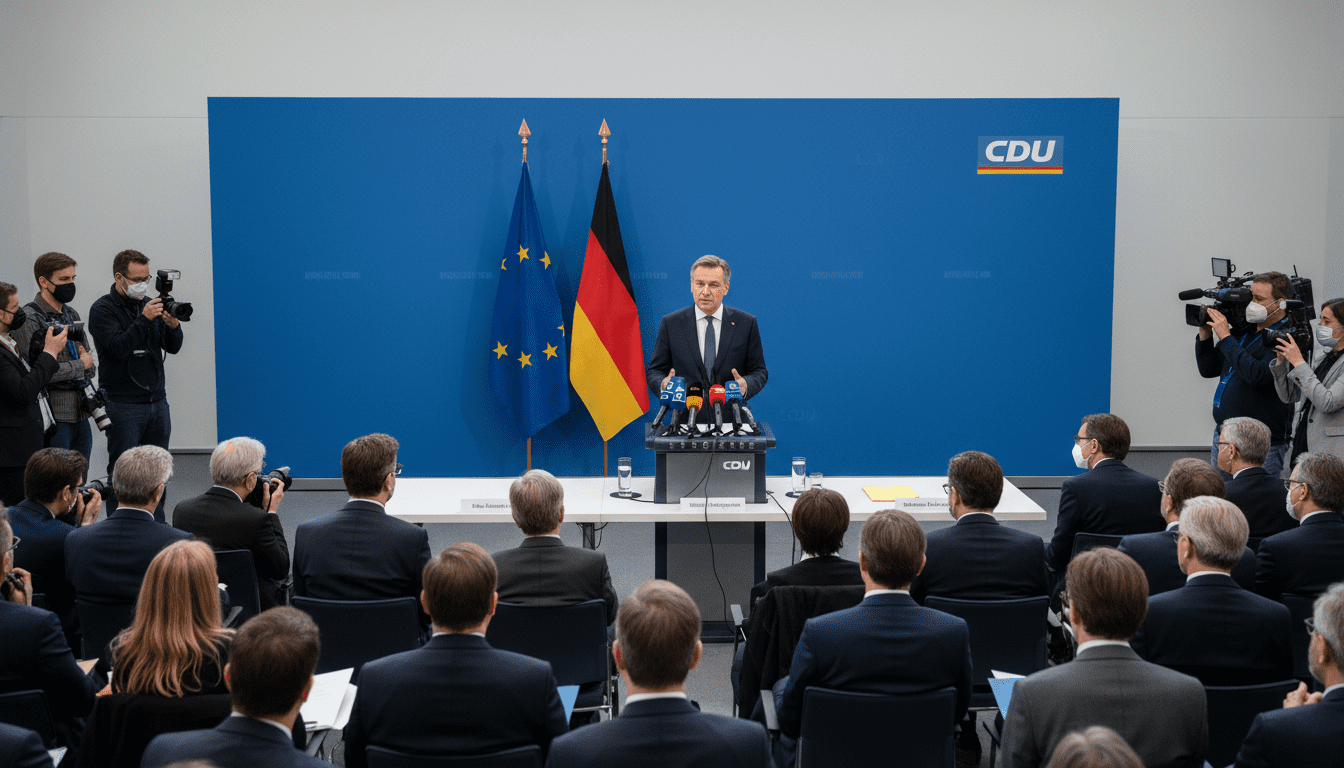
Friedrich Merz used the Christlich-Demokratische Arbeitnehmerschaft (CDA) federal meeting in Marburg on Saturday, April 25, 2026, to cool a heated debate over German pension reform that erupted after remarks he made on Monday, April 20, 2026. He told CDA delegates the government will not cut the statutory pension and framed the conversation as one about balancing three pillars of retirement provision. The intervention sought to calm tensions with trade unions and the SPD after union leaders warned of fierce resistance.
Merz’s pledge at the CDA meeting
Speaking in Marburg, Merz was unequivocal that his government would not pursue cuts to the statutory pension scheme, known in Germany as the gesetzliche Rentenversicherung. He said the formal proposals of a government rent commission are still weeks away but wanted to set a clear political boundary now. The chancellor emphasized the state system’s role in providing disability, survivor benefits and preventive services that cannot be replicated by other schemes.
Why his earlier “basic security” remark sparked alarm
The controversy began when Merz described the statutory pension as a “basic” layer of retirement security during comments on April 20, 2026, prompting immediate pushback from the SPD and union leaders. Opposition and labour representatives portrayed the characterization as downgrading the role of the statutory system and signaled opposition that threatened to turn political. Merz spent much of his CDA address re-framing the term, saying he intended “base” to mean foundation rather than a signal of withdrawal.
Three-pillar approach and policy direction
Merz repeated that the government intends to consider “all three pillars” of retirement provision: statutory pensions, occupational pensions, and private savings. He argued for a stronger weighting toward capital-market–based arrangements to give workers the chance to participate in economic growth. The chancellor linked the proposal to a broader program of reforms designed to restore growth and living standards and to secure “a secure and adequate income in old age” through a diversified system.
Reactions from unions and SPD leaders
Senior union figures attended the Marburg meeting, including DGB chair Yasmin Fahimi and representatives from police and industrial unions, underlining the high political stakes. IG Metall and SPD figures had earlier warned of “fierce resistance” and suggested that any perceived weakening of statutory pensions would provoke a strong response. At the event, union attendees listened closely to Merz’s reassurances while signaling they will watch the commission’s proposals closely before accepting changes.
CDA leadership and intra-party dynamics
Dennis Radtke, the CDA chairman and Member of the European Parliament, has previously clashed with Merz but worked publicly to avoid an open rupture at the federal meeting. Radtke, who had criticized the “basic security” phrasing last week, sought to emphasize party unity in Marburg despite disagreements. His remarks underlined that the CDA intends to defend workers’ interests inside the CDU while engaging constructively on reform options.
Political and policy next steps
The rent commission appointed to study pension options will present its proposals in the coming weeks, creating a focal point for both political negotiation and public debate. Merz framed the review as one element of a wider reform agenda his government believes is overdue after years of deferred changes. Coalition partners will have to bridge internal differences, and unions and the SPD have signalled they will use legislative and public channels to press their positions.
Germany now faces a delicate phase in the pension debate as politicians prepare for technical proposals that could reshape retirement policy. Merz’s explicit promise against statutory pension cuts eased immediate tensions, but the push for a larger role for occupational and private provision means the discussion is far from settled. The coming weeks will test whether political leaders can translate reassurance into a consensus that balances fiscal sustainability, intergenerational fairness and the protection of core social benefits.
