
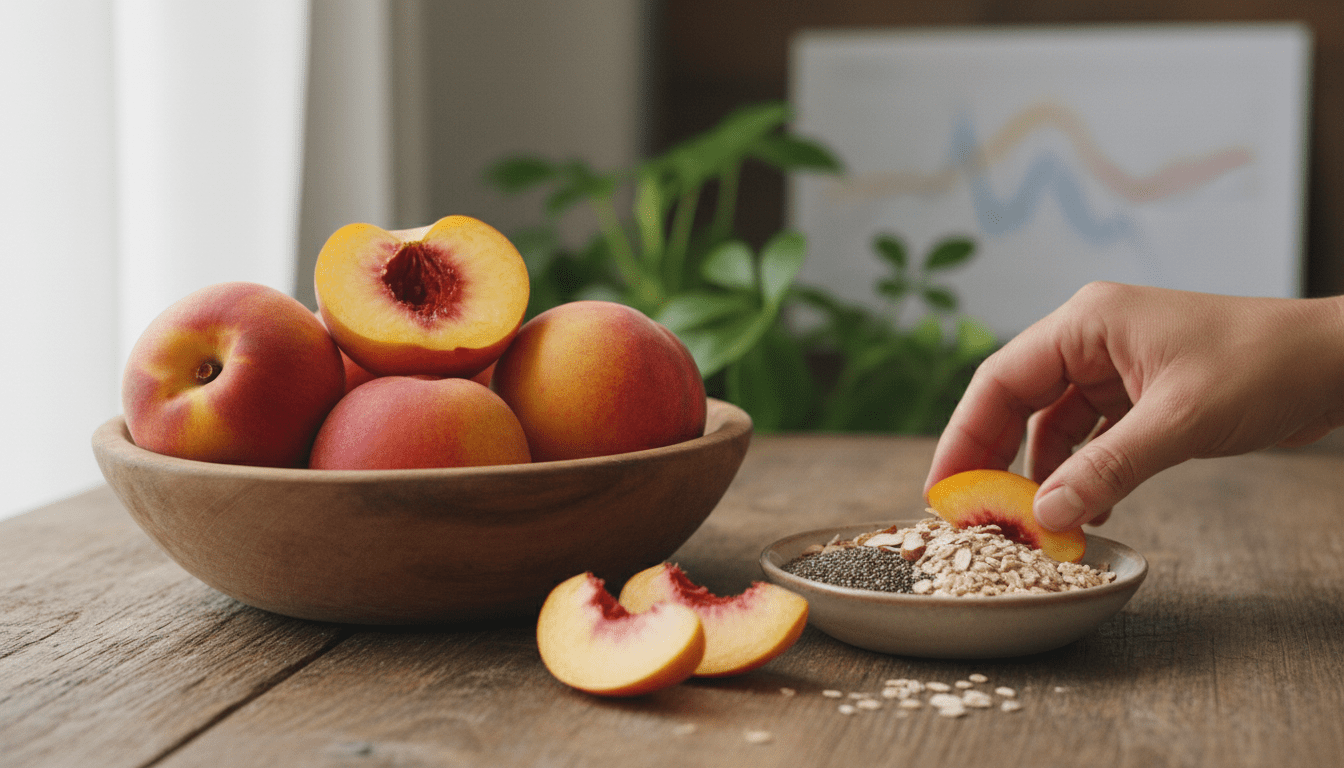
Peaches Deliver Heart, Gut and Skin Benefits, Nutrition Summary Shows
Explore the health benefits of peaches—fiber, potassium, vitamins and antioxidants—plus tips to eat them, potential allergy risks, and nutrition facts.
Peaches are gaining renewed attention from nutrition specialists for their mix of fiber, vitamins and antioxidants that support gut, heart and skin health. A standard yellow peach provides meaningful amounts of fiber and micronutrients while remaining low in calories, making peaches a practical addition to balanced diets. Experts note that the fruit’s natural sugars, water content and plant compounds offer several health advantages when eaten as part of an overall nutritious eating pattern.
Peaches and gut health
A medium peach contains about two grams of fiber, which helps maintain regular bowel function and slows glucose absorption after meals. That fiber also acts as a prebiotic substrate, feeding beneficial gut bacteria linked to reduced inflammation and better immune signaling. Regularly including peaches can support digestive comfort and contribute to the microbial diversity associated with improved metabolic and mental health outcomes.
Potassium content and blood pressure control
Peaches are a modest source of potassium, a mineral that counteracts sodium and helps regulate fluid balance in the body. Increased dietary potassium is associated with lower blood pressure in population studies, and including potassium-rich fruits like peaches can be a simple strategy for people trying to manage hypertension. Nutrition specialists emphasize pairing potassium sources with reduced sodium intake for the most consistent cardiovascular benefit.
Skin protection and hydration
Peaches contain beta-carotene and vitamin C, nutrients that support skin health by contributing to antioxidant defenses and collagen production. Beta-carotene can help shield skin cells from ultraviolet-related damage, while vitamin C is important for maintaining skin elasticity and repair. Additionally, a fresh peach contains a substantial amount of water, which contributes to daily hydration and can modestly support skin moisture when eaten regularly.
Eye health and vitamin A precursors
Peaches supply carotenoids such as lutein and zeaxanthin alongside vitamin A precursors, compounds linked to retinal protection. These carotenoids have been shown to reduce the risk of age-related macular degeneration and cataract formation when consumed as part of a diet rich in colorful fruits and vegetables. For people at risk of vitamin A deficiency, including carotenoid-containing fruits like peaches alongside other nutrient-dense foods can help maintain healthy vision.
Antioxidant properties and brain support
The polyphenols and carotenoids in peaches act as antioxidants that neutralize free radicals and limit oxidative stress on cells. Oxidative stress is implicated in aging and neurodegenerative diseases, so antioxidant-rich foods are often recommended as part of brain-healthy dietary patterns. While no single fruit prevents disease, peaches contribute to an antioxidant portfolio that supports long-term cellular resilience and cognitive health when combined with other nutrient-dense choices.
Nutrients, serving details and practical uses
A typical yellow peach provides roughly 68 calories, small amounts of protein and fat, about 15 grams of carbohydrates and more than two grams of fiber, with virtually no added sugars. It also provides modest vitamin C and vitamin A activity, alongside trace minerals and a high water content that makes the fruit refreshing and low in energy density. Peaches are versatile in the kitchen: they can be eaten raw, grilled into salads, blended into smoothies, or pureed for sauces and frozen treats.
Safety notes and consumption advice
Most people can eat peaches without issue, but those with oral allergy syndrome linked to pollen sensitivities may experience mild oral reactions and should proceed with caution. Because peaches contribute dietary fiber, increasing intake too rapidly can cause bloating or gas; gradual increases allow the gut microbiome and digestive tract to adapt. Selecting ripe peaches by feel and storing unripe fruit at room temperature or in a paper bag will hasten ripening, while refrigeration helps preserve fully ripe fruit.
Peaches offer a combination of fiber, potassium, vitamins and antioxidants that support several aspects of health, from digestion and heart function to skin and eye protection. Including peaches as part of a varied diet provides both nutritional value and culinary flexibility while keeping calorie intake moderate.
