
Bayer braces for U.S. Supreme Court showdown as $7.25B Roundup settlement and shareholder pressure reshape strategy
Bayer faces a pivotal U.S. Supreme Court hearing on April 27, 2026, and a proposed $7.25 billion Roundup settlement that together could determine the scale of its glyphosate liabilities and the company’s strategic options. The decision looms as thousands of plaintiffs weigh whether to join the class settlement before early June 2026, leaving investors and management to navigate a narrow window of legal and financial risk. (apnews.com)
Supreme Court hearing fixes a high-stakes timetable
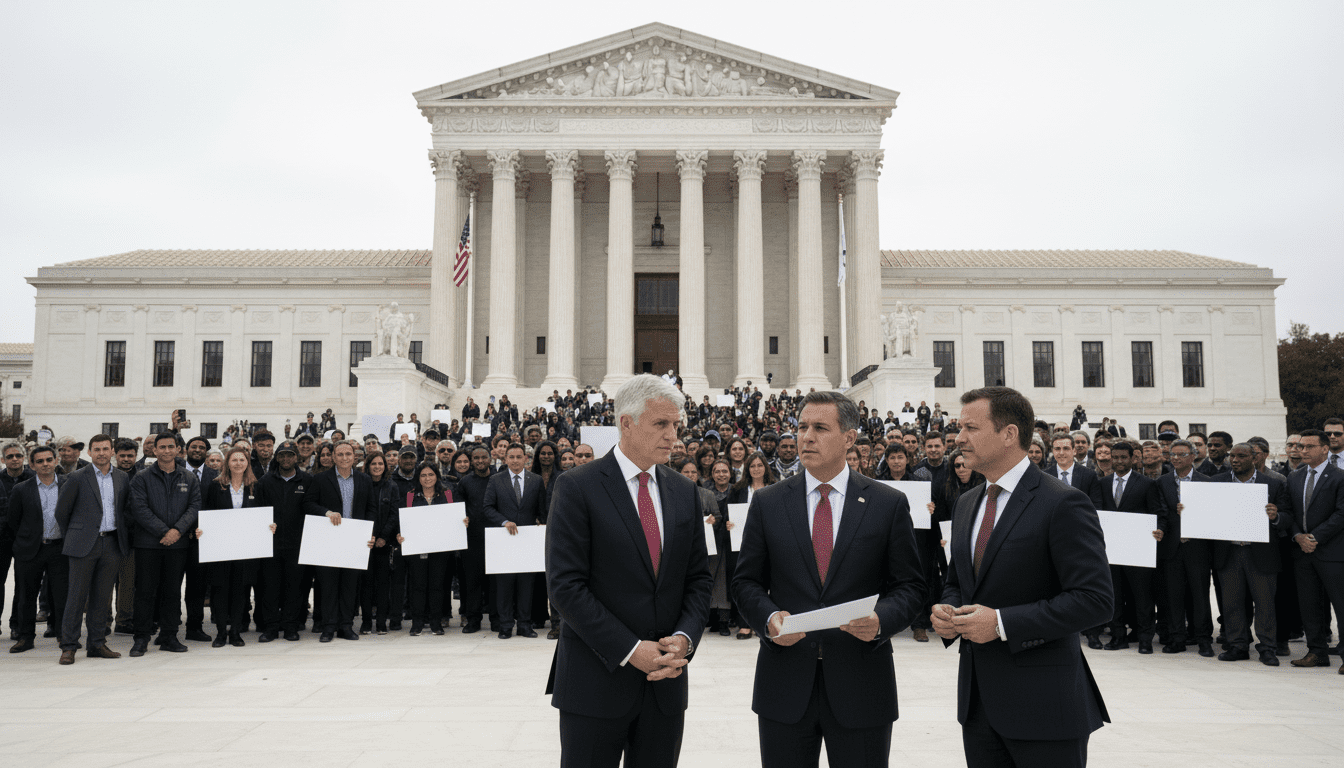
The Supreme Court is scheduled to hear arguments on April 27, 2026, in a case that asks whether federal pesticide labeling law preempts state failure-to-warn claims tied to glyphosate-based products. A ruling expected by the end of June 2026 could sharply reduce the prospect of future state-court verdicts against the company. The outcome is widely seen as a legal hinge that will influence whether plaintiffs opt into Bayer’s class proposal or pursue individual claims. (ad-hoc-news.de)
Plaintiffs in the nationwide litigation face a practical choice tied to that timetable: join the proposed settlement or retain the right to pursue trials that could yield higher awards if the Supreme Court rules against Bayer. The opt-in deadline falls in early June 2026, creating a compressed period in which claimants must weigh guaranteed payments against the uncertainty of future rulings. Market observers say that timing has become a decisive lever in negotiations between the parties. (thenewlede.org)
Details of the $7.25 billion settlement offer
In February 2026 Bayer and proposed class counsel announced a tiered national class settlement through which Monsanto would pay up to $7.25 billion to resolve current and potential future Roundup claims. The deal is structured to provide payouts over time and requires judicial approval in the appropriate courts. Company statements frame the agreement as a way to contain litigation risk while the Supreme Court resolves the preemption question. (bayer.com)
The settlement would not automatically bar every claim; plaintiffs who decline the class could still pursue suits, but a Supreme Court decision favorable to Bayer could leave opt-outs with diminished prospects. Several plaintiffs’ law firms have pressed for additional transparency and review of the proposed agreement, arguing that some features merit closer judicial scrutiny before preliminary approval. (statnews.com)
Shareholder discontent and calls for structural change
At Bayer’s annual general meeting, investor representatives used the moment to press management on both past strategy and future options, arguing that legal and integration missteps since the 2018 Monsanto acquisition have weighed on shareholder returns. Some institutional investors called the last decade “a period of decline,” urging the company to convert legal progress into decisive operational moves. Management acknowledged the challenges while reiterating a multi-year transformation program. (Statements at the meeting reflected investor concern about the cost and duration of the glyphosate litigation.)
Company leadership emphasized that the group remains in the midst of a large-scale restructuring and cost program, pointing to strategic priorities that are still being implemented. Executives told shareholders they are prepared for multiple scenarios and that the firm will act to protect long-term value once legal clarity emerges. (bayer.com)
Debate over breakup and asset sales intensifies
Investor debate has turned to structural options for unlocking value, with some advocating for divestitures or a clearer separation of consumer health and agricultural businesses. Proposals discussed publicly and privately include a potential spin-off of the consumer health division and a U.S. listing of parts of the agricultural operations, which generate a large share of the group’s revenue. Company executives have described all divisions as important but said they remain open to options that would preserve value for shareholders. (bayer.com)
Not all shareholders agree on the path. Some institutional investors insist the company focus on executing current restructuring measures before engaging in complex separations, while others warn against incremental “salami-slicing” approaches that could leave value on the table. Any move to separate businesses would also raise questions about where and how shares should be placed, with calls for listings and placements to be considered carefully from a jurisdictional and investor-base perspective.
Financial implications and cash flow pressure
Bayer has signaled significant financial commitments tied to litigation and settlements, including an increase in litigation provisions announced in early 2026. The company has warned of meaningful litigation-related cash outflows in 2026 and has outlined plans to manage those payments alongside ongoing restructuring costs. Analysts stress that the company’s near-term free cash flow profile will be heavily influenced by settlement timing and Supreme Court outcomes. (bayer.com)
Management has balanced providing for legal risk with maintaining operational investment, but investors say the priority must be converting legal resolution into tangible strategic action. For now, liquidity planning and the shape of any settlement approvals or court rulings will determine how aggressively Bayer can pursue divestitures, buybacks, or other capital-allocation moves later in 2026.
Final paragraph: The coming weeks amount to a defining chapter for Bayer as legal, financial and strategic threads converge; a Supreme Court ruling by the end of June 2026 and the early-June opt-in deadline for plaintiffs will dictate whether the proposed $7.25 billion settlement serves as an endpoint for the Roundup saga or a staging point for further litigation and corporate change. (apnews.com)
