
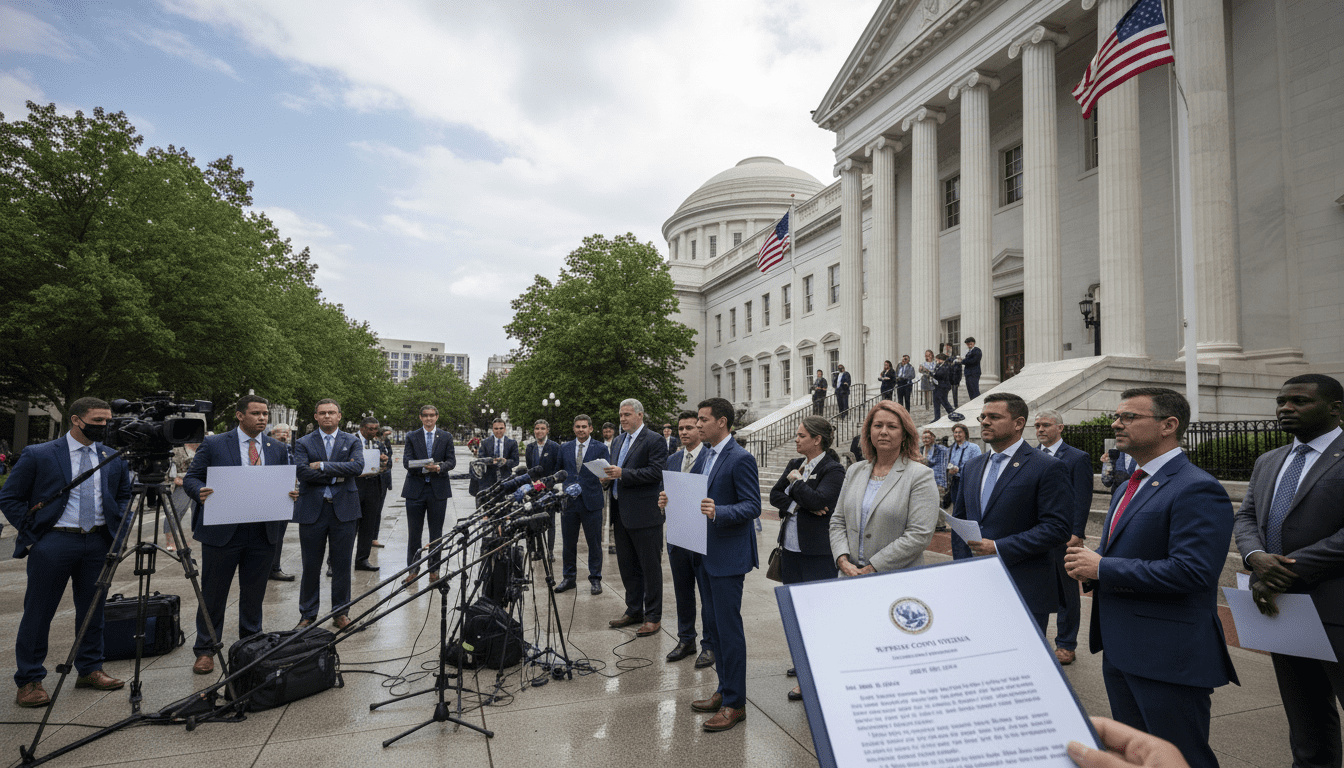
Virginia redistricting: Virginia Supreme Court rejects Democrats’ emergency bid
Virginia redistricting blocked as state Supreme Court voids April 2026 referendum, denying Democrats a new map ahead of the November 3, 2026 midterm elections.
The Virginia Supreme Court on Friday rejected an emergency petition from state Democrats seeking to put a newly drawn congressional map into effect before the November 3, 2026 midterm elections. The ruling leaves in place the existing district lines after the court found procedural faults in the April 2026 referendum that had approved the map. Virginia redistricting now returns to the political and legal battleground with immediate implications for both parties ahead of the fall vote.
Court rejects emergency petition from Democrats
The state Supreme Court declined the Democrats’ request to expedite implementation of the new map, effectively blocking the party’s attempt to shift district boundaries months before the midterms. The petition had sought prompt relief so the new lines could be used in November, a move Democrats said would correct alleged partisan imbalances. By denying the emergency motion, the court preserved the status quo while the underlying legal questions proceed.
Justices call April referendum result constitutionally flawed
In its written statements the court found that the referendum process did not comply with required constitutional procedures and declared the April 2026 vote “null and void.” The judges said procedural irregularities undermined the validity of the ballot measure and prevented the proper enactment of the new map. That finding formed the basis for dismissing the Democrats’ emergency appeal and will shape any further litigation over redistricting in the state.
Democrats had sought a dramatic shift in representation
Under the proposed map Democrats had argued the redrawing would produce a markedly more favorable delegation, potentially yielding up to four additional seats in the U.S. House of Representatives. Virginia currently sends five Republicans and six Democrats to Congress, and party strategists had framed the new map as a path toward a far larger majority. With the court’s decision, those prospects are delayed and the immediate electoral math for November remains unchanged.
Gerrymandering debate returns to center stage
The controversy revives long-running national debates over gerrymandering and partisan mapmaking, practices that have repeatedly drawn legal scrutiny. Critics of politically motivated redistricting argue it distorts voter choice and erodes public confidence in elections, while defenders say map changes reflect shifting populations and legitimate political strategy. In Virginia, the dispute underscores how redistricting fights now play a pivotal role in broader struggles for control of Congress.
Regular redistricting would have waited until 2030
Legal experts note that routine congressional reapportionment follows the decennial census, meaning the next full statewide redistricting cycle would not have been expected until after the 2030 census. The decision by some state actors to pursue a mid-decade redrawing this year therefore raised legal and constitutional questions from the outset. Those questions — now affirmed by the court’s finding of procedural defects — will factor into any future efforts to alter district boundaries outside the usual cycle.
Political fallout and likely next steps
Party leaders on both sides signaled they would consider further appeals and political responses in the coming weeks, with Democrats weighing whether to pursue additional litigation. Republicans hailed the court’s ruling as a vindication of due process and a protection of the existing electoral map ahead of November. Expect intensified legislative maneuvering, public statements from state officials, and potential new court filings as parties seek to lock in advantages or preserve current lines.
Implications for control of the U.S. House
With national control of the U.S. House hanging in the balance, Virginia’s redistricting fight carries outsized consequences for the 2026 midterms. Analysts have long viewed even a small shift in a handful of districts as capable of altering the chamber’s majority, and parties are devoting personnel and money accordingly. The denial of the emergency petition means the November ballot will be contested under the current districts unless further court action changes the situation.
The Virginia redistricting dispute is likely to remain a high-profile legal and political contest through the summer and into the fall as both parties prepare for the midterms on November 3, 2026. Voters, candidates and national strategists will be watching closely for any additional rulings or legislative moves that could alter the map and the stakes in a closely divided House.
