
U.S. proposes forced labor tariffs on 60 countries, sparking EU and China backlash
US trade office proposes 10–12.5% forced labor tariffs on imports from 60 countries, prompting EU and Chinese protests and raising fears of wider trade disruption.
U.S. announces proposed forced labor tariffs
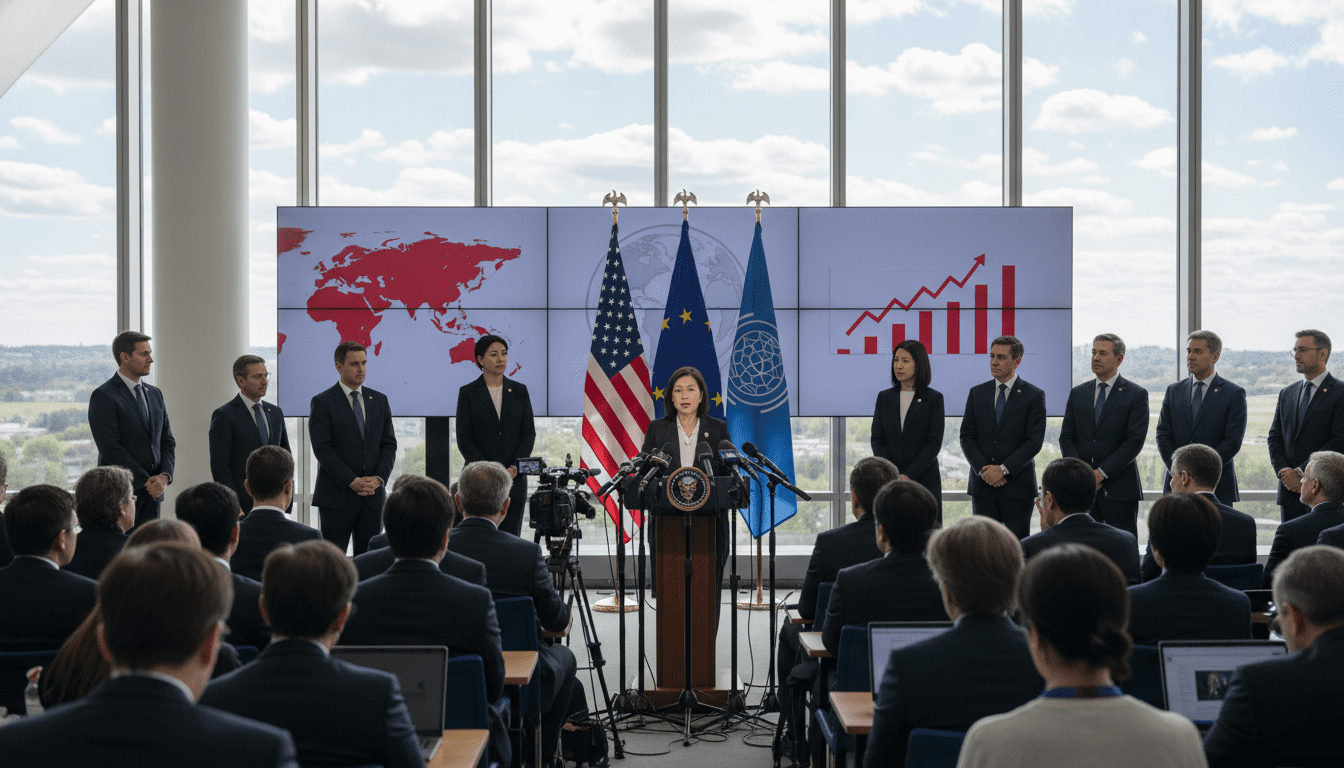
The United States Trade Representative’s office has proposed new import tariffs aimed at goods it says may be linked to forced labor, naming some 60 countries as targets. The proposed measures would impose duties of roughly 10 percent for the European Union and about 12.5 percent on other major suppliers such as China and India. Trade Representative Jamieson Greer framed the move as an effort to level the playing field for American workers and to pressure trading partners to block products made with coerced labor. The announcement has already provoked sharp responses from Brussels and Beijing.
Scope of the measures and legal basis
The tariffs are presented as a remedy when trading partners do not sufficiently prevent imports made with forced labor, defined by the administration as work extracted under threat or without consent. U.S. officials say the new duties would apply broadly across goods from listed jurisdictions unless importers can demonstrate supply chains are free of forced labor. The proposal is described by American authorities as grounded in customs and trade statutes that allow targeted duties; officials expect a period for public comment and consultations before a final decision later this year. The administration also signals additional probes on excess capacity and other trade distortions that could lead to further levies.
EU response and the trade deal dispute
Brussels has pushed back, calling the planned duties unjustified in light of a recent bilateral trade agreement reached last summer. A European Commission spokesperson reiterated that “a deal is a deal” and said the EU has taken steps to make the agreement effective by late June. Under that accord, the EU agreed to reduce certain tariffs while the U.S. would cap measures affecting EU exports; Commission officials warn unilateral U.S. duties would breach the spirit of the pact. The EU also emphasizes it has enacted robust domestic rules to curb forced labor and points to its own timetable for enforcement of an import ban scheduled to take effect in December 2027.
China rejects allegations and warns against unilateral action
China has strongly denied the U.S. characterization of forced labor issues and criticized the tariff proposal as politically motivated. A Foreign Ministry spokeswoman stated that the notion of systemic forced labor in China is baseless and warned against using such allegations as a pretext for economic coercion. Chinese officials urged resolution through dialogue and consultation, emphasizing equality and mutual respect in trade relations. Beijing’s reaction underscores the diplomatic stakes: the tariffs intersect with sensitive geopolitical tensions as well as economic grievances.
Legal pathway, comment period and potential appeals
U.S. officials say the proposal will enter a formal review process that allows governments and businesses to submit comments and evidence before a final ruling is issued. The administration has argued the legal footing for these forced labor duties is stronger than for some prior emergency tariffs that faced judicial rebuke. At the same time, Washington is litigating related issues in U.S. courts, including disputes over refunds tied to earlier protectionist duties. The Justice Department has appealed a judge’s order that would have required refunds to a broad set of importers after certain tariffs were ruled unlawful, complicating the legal backdrop for any new levies.
Economic risks and supply-chain implications
Companies that rely on cross-border supply chains warn the duties would raise costs for manufacturers and consumers and could accelerate efforts to diversify sourcing away from higher-risk jurisdictions. Exporters in Europe and Asia are likely to press trade representatives and pursue legal challenges if tariffs are enacted, while importers would face compliance burdens to prove their goods are free of forced labor. Analysts caution that blanket duties could disrupt markets, prompt retaliatory measures, and depress investment sentiment if the measures are perceived as arbitrary. At the same time, labor and human rights advocates say trade pressure is a necessary lever to reduce exploitation in global production.
Next steps and diplomatic outlook
The immediate timeline calls for consultations and a summer comment period, with a final administrative decision expected later in the year, according to U.S. officials. Governments targeted by the proposal will have opportunities to respond and to present evidence about their efforts to prevent forced labor in supply chains. The dispute has already mobilized diplomatic engagement between Washington, Brussels and Beijing, and could reshape the contours of trade policy if implemented. Observers say the coming weeks will test whether negotiation and targeted enforcement can bridge differences or whether the episode will mark a new phase of unilateral trade measures.
The proposed forced labor tariffs represent a high-stakes intersection of human rights concerns, trade policy and geopolitics, with potential consequences for exporters, importers and workers on multiple continents.
