
TSV 1860 Munich relegation confirmed as investor Hasan Ismaik refuses to fund 3. Liga license
TSV 1860 Munich relegation confirmed after investor Hasan Ismaik refuses to pay for the club’s 3. Liga licence, sending the team to the Regionalliga amid uncertainty.
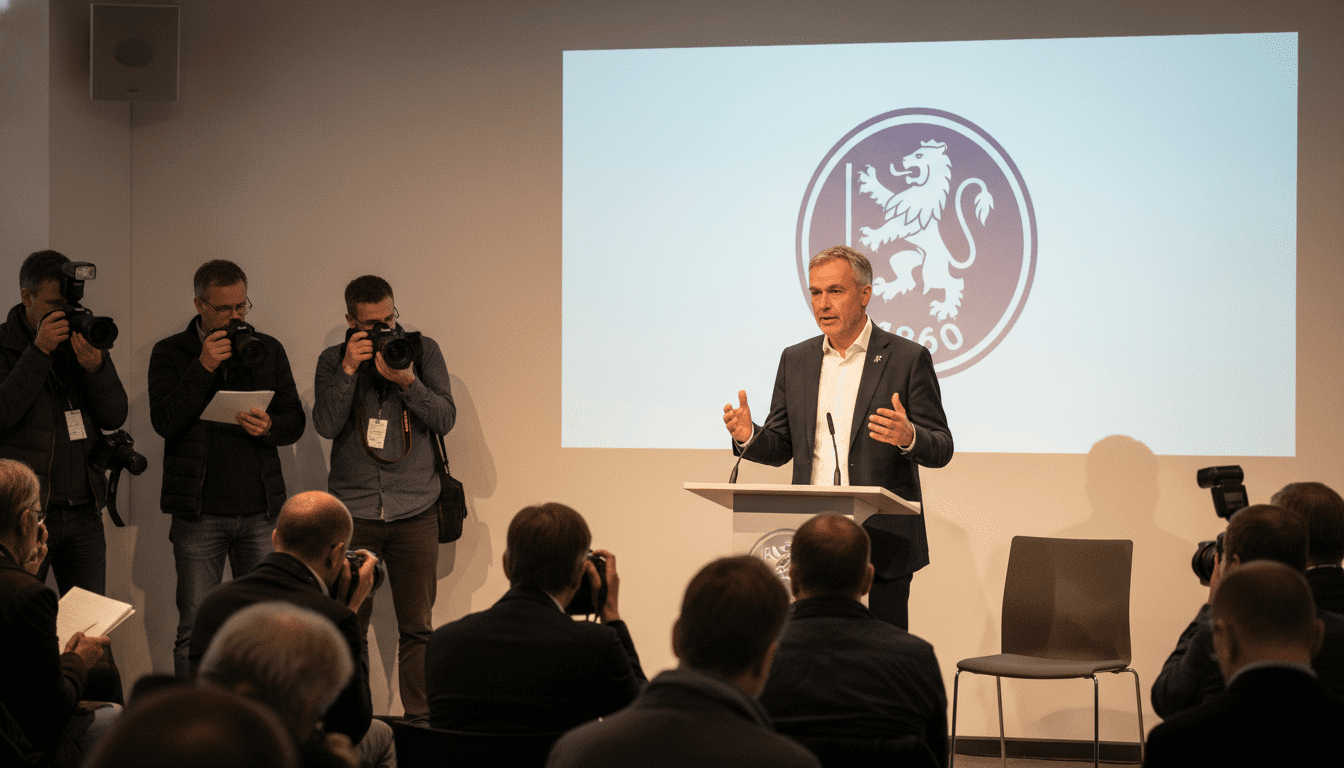
The club confirmed late on deadline day that investor Hasan Ismaik would not provide the funds required for a 3. Liga licence, a decision that assures TSV 1860 Munich relegation to the Regionalliga. Fans and journalists who had gathered at the club offices were met by president Gernot Mang, who delivered the news that the third-division licence would not be secured. The announcement echoes a similar crisis from 2017 and immediately raised questions about the club’s short-term future and financial stability.
Announcement at the club headquarters
Gernot Mang emerged from the club’s offices to inform supporters and the media that the requisite payment for the 3. Liga licence had not been provided by the investor. The statement left no room for ambiguity: without the investor’s backing, the licence cannot be confirmed and the team will compete in the Regionalliga next season. The scene outside the headquarters was tense and emotional, with long memories of past licence battles resurfacing among supporters.
Investor Hasan Ismaik’s decision and its implications
Hasan Ismaik’s refusal to fund the licence is the immediate cause of the administrative relegation, according to the club’s announcement. That decision transfers responsibility to the club to find alternative funding or accept the sporting and commercial consequences of dropping a division. The loss of third-division status will reduce league income, alter sponsorship obligations and complicate player contracts that often include clauses tied to divisional status.
Echoes of 2017 stir fans and media
The gathering of fans and reporters and the wait for a decisive announcement recreated a pattern familiar to many supporters from 2017. Then, as now, the uncertainty mounted outside club offices as a deadline approached, amplifying frustration among the fan base. Supporters reacted with a mixture of anger, disappointment and resolve, and local media framed the event as a significant setback for a club with high regional visibility.
Sporting and financial consequences for the club
Sportingly, the team will face a different competitive landscape in the Regionalliga, where budgets, travel patterns and opponent profiles diverge sharply from the 3. Liga. Financially, the club should expect immediate reductions in television income, matchday revenue and commercial returns, which will require a rapid re-evaluation of payroll and operational budgets. Short-term measures are likely to include renegotiating player contracts, prioritising essential expenditures and accelerating plans to stabilise revenues.
Club leadership’s options and immediate next steps
Club executives now face a narrow set of steps: seek an emergency investor or loan, launch a targeted fundraising campaign among supporters and sponsors, or begin implementing a cost-cutting restructuring. The licensing window has closed for this cycle, limiting administrative remedies, so attention will shift to stabilisation and planning for the Regionalliga season. Board members and sporting directors must balance immediate survival with maintaining a squad competitive enough to pursue promotion in the near term.
Impact on local football and the Regionalliga
TSV 1860 Munich’s drop will reshape the competitive balance in the Regionalliga, bringing a club with significant fan support and infrastructure into a tier dominated by semi-professional sides. The move has implications for gate receipts at away fixtures, regional rivalries and the allocation of broadcasting and sponsorship resources across the division. Local football bodies and rival clubs will closely monitor how TSV 1860 adapts, as the club’s presence is likely to attract heightened attention and attendance.
The coming weeks will be critical for the club as it assesses contractual obligations, explores funding alternatives and communicates a clear plan to supporters and partners. While the immediate outcome is relegation to the Regionalliga, the longer-term trajectory will depend on whether new investment or internal restructuring can restore the club to third-tier competition. Fans, staff and local stakeholders will be watching closely for both financial remedies and a sporting response that aims to return the club to its former standing.
