
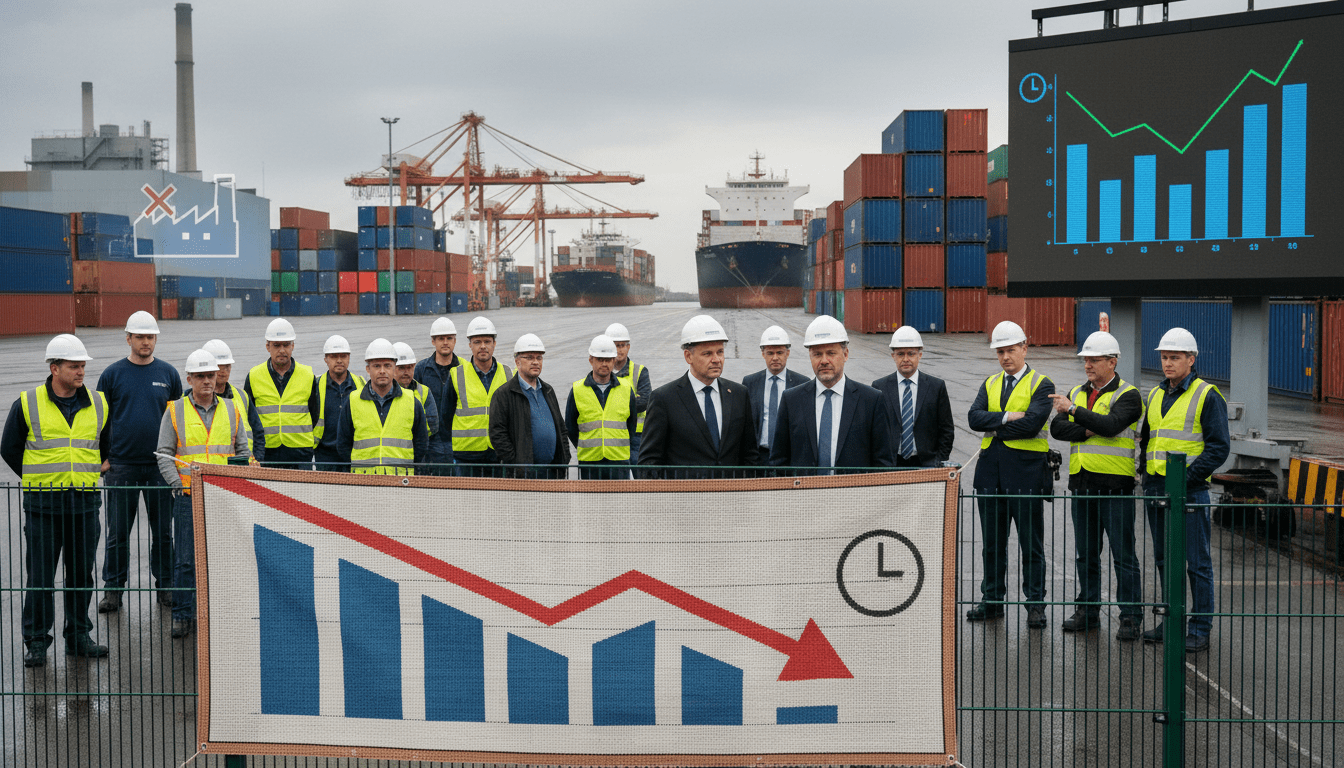
Temu and Shein cost German retail €2.5bn a year, IW Consult finds
IW Consult analysis finds Temu and Shein cost German retailers €2.5bn annually and over 40,000 jobs, prompting calls for stricter regulation and new EU fees.
Major analysis points to €2.5 billion retail shortfall
The IW Consult study, commissioned by the Handelsverband Deutschland (HDE), estimates that Temu and Shein divert about €2.5 billion in annual sales from German retailers. The finding is based on a representative online survey of 4,000 consumers aged 16 to 69 conducted in February and highlights shifting purchase patterns toward the Chinese platforms.
Economist Marco Trenz of the Institut der deutschen Wirtschaft told the study team that every euro of retail turnover typically generates roughly two euros across the wider economy. That multiplier underpins the report’s broader calculations and shapes its warning about spillover effects beyond shop floors.
Wider economic losses roughly double when knock-on effects included
When upstream effects such as rents, energy, logistics and wages are factored in, the report values the total economic shortfall at about double the retail figure. The study therefore places the aggregate annual loss to the German economy in the neighborhood of €5 billion, according to the authors’ assumptions and the applied multiplier.
The analysis explicitly counts secondary impacts generated by reduced payrolls and the diminished spending power of workers who would otherwise be employed in retail and supplier sectors. Those ancillary losses are central to the HDE’s demand for policy responses.
More than 40,000 jobs already disappeared, mostly in retail
The report attributes the disappearance of over 40,000 jobs in Germany to the growth of Temu and Shein, with the lion’s share of losses concentrated in the retail sector. IW Consult warns that continued expansion of the platforms could lead to further employment declines unless market conditions change.
Trenz said that had purchases remained within the domestic retail market, many of those sales would have required additional staff and sustained jobs in related industries. The projection assumes current consumer preferences persist and that platform growth continues on its present trajectory.
Consumer behavior and parcel volumes underline market shift
According to the survey, 51 percent of Temu and Shein users would have purchased the same items elsewhere at the same price had the platforms not been available, while 19 percent said they would have accepted higher prices. Those responses underpin the study’s estimate of diverted retail revenue.
The HDE reported that Temu and Shein shipped some 460,000 packages to Germany daily in 2025, a volume that underlines both the platforms’ popularity and the logistical burden posed by small, frequent parcel flows. That traffic has fuelled public and political debate about regulation and enforcement.
Trade groups and politicians press for tougher enforcement
The retail association has accused the platforms of widespread non-compliance with legal requirements, distributing unsafe goods and creating uneven competitive conditions that place domestic merchants “on the brink,” according to HDE leadership. The association renewed calls for stronger regulatory action and, in extreme cases, the suspension of services when rule breaches are systemic.
Politicians, consumer advocates and trade representatives have cited product quality, lack of adequate controls and the pressure on local shops as reasons for intervention. The study also calculates government revenue losses — estimating up to €420 million a year in foregone taxes — if purchases migrate from domestic sellers to the platforms.
Platforms reject the critique and highlight local business ties
Temu and Shein have formally rejected the allegations, saying their marketplaces enable thousands of European and German sellers to reach global customers and grow sales. Company spokespeople pointed to reported tax payments and claimed that hundreds of German firms already sell via their platforms.
Shein said it had paid hundreds of millions of euros in taxes in Germany over recent years and described accusations that the companies are a “scapegoat” for structural challenges as unfounded. Both firms emphasized their role in creating jobs through marketplace activities and disputed assertions that they are primarily responsible for job losses in traditional retail.
Regulatory moves at national and EU level intensify scrutiny
Regulatory pressure has already escalated: German and EU authorities are examining the platforms for potential breaches of digital and competition rules. The Bundeskartellamt opened a probe in October into Technology Limited, the company behind Temu, over concerns about restrictive pricing conditions for German sellers.
At the EU level, officials have signalled a tightening of import rules for low-value parcels. A new processing fee for internet-ordered goods entering the EU is slated to begin in November, while an interim measure foresees a temporary €3 charge on parcels with a declared value up to €150 from July. Longer-term plans include moving toward duties applied from the first euro of import value once a digital platform is in place.
The combination of competition inquiries and fiscal measures reflects a broader attempt to rebalance enforcement, address consumer protection gaps and internalize the external costs associated with cross-border low-value e-commerce.
The IW Consult report has amplified calls from retailers and some policymakers for swifter, clearer enforcement and for measures that level the playing field between large foreign platforms and domestic merchants. As regulatory work proceeds at national and EU levels, the debate is likely to focus on enforcement, fiscal fairness and the operational rules that govern platform marketplaces.
