
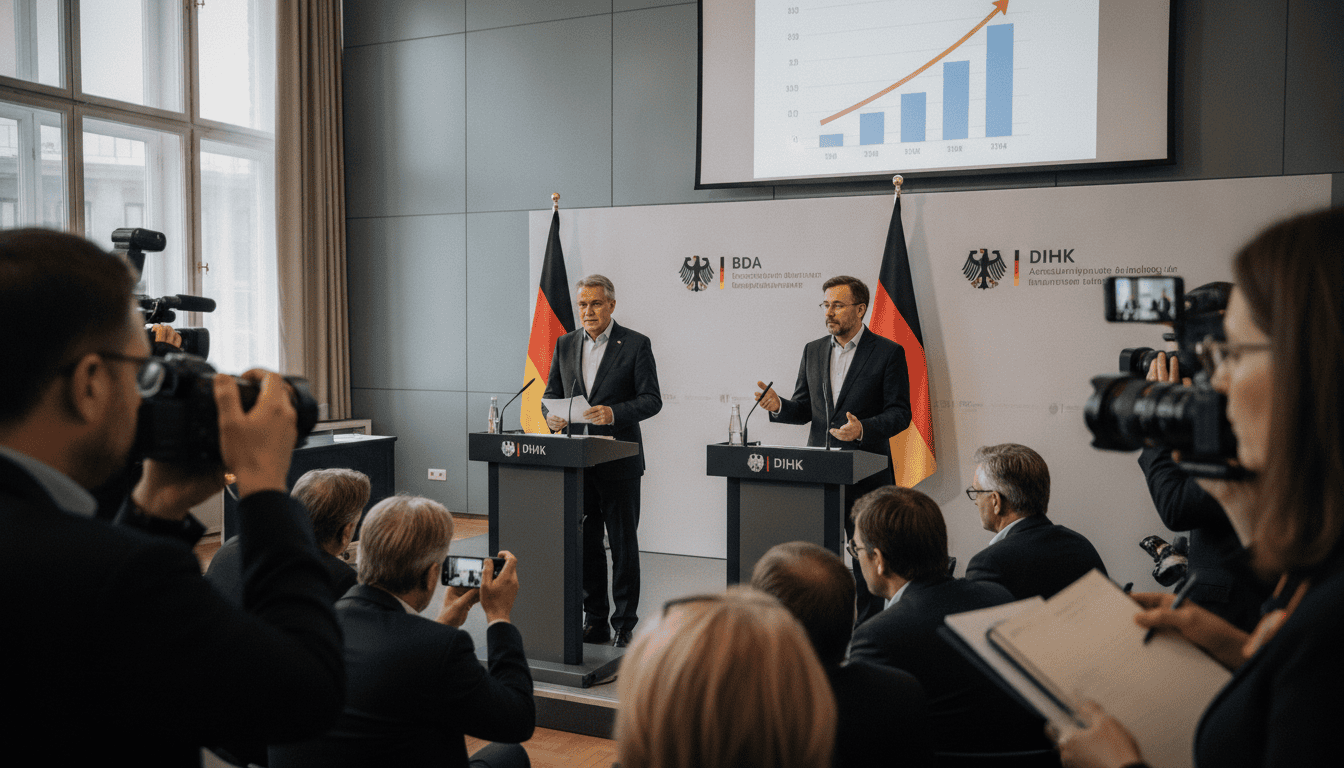
Business groups warn German government to preserve Minijobs amid reform proposals
German trade associations urge the government to preserve Minijobs, warning that abolishing or raising costs would damage workers and service-sector firms.
A broad alliance of German business associations has delivered an urgent appeal to the federal government calling for the preservation of Minijobs as part of the social and pension reform debate. The coalition, which includes the Handelsverband Deutschland (HDE), the Deutscher Hotel- und Gaststättenverband (DEHOGA) and the Gesamtverband der land- und forstwirtschaftlichen Arbeitgeberverbände, warned that plans to remove the special tax and social-insurance status of Minijobs would hit both employees and employers hard. In a joint letter addressed to Labour Minister Bärbel Bas (SPD) and Health Minister Nina Warken (CDU), the groups argued that proposed changes risk undermining part-time employment that many people rely on alongside study, caregiving or other jobs. They urged policymakers to retain the current Minijob framework and to avoid measures that would effectively abolish or sharply increase the cost of these positions.
Associations Send Urgent Letter to Ministers
In their written appeal, the signatory organizations set out a clear and immediate request to government ministers to preserve Minijobs in their present form. They framed the letter as a response to recommendations from the federal commission on old-age provision, which has suggested integrating Minijobs into statutory pension insurance and ending their tax and social-insurance privileges. The associations emphasized that any reform should protect the specific needs of students, caregivers and secondary earners who disproportionately use Minijobs to balance work with other responsibilities.
Specific Policy Changes Targeted
The business groups singled out several concrete proposals for criticism, including the abolition of the Minijob special status and a suggested increase in the flat-rate tax applied to these positions. The commission’s draft reportedly proposes raising the current employer-paid lump-sum contribution and altering the exemption from regular social contributions, while limiting exceptions primarily to pupils. Associations also highlighted plans for higher employer burdens in statutory health and long-term care insurance as compounding factors that would make Minijobs more expensive for employers.
Impact on Workers’ Incomes and Choices
Representatives of the associations argued that removing tax and social-insurance advantages would reduce the net incomes of millions who have chosen Minijobs for flexibility. Many Minijob holders combine these roles with university studies, family duties or caregiving, and increased costs could force them to reduce hours or drop out of the labour market altogether. The letter warns that a loss of take-home pay or the need to work substantially longer hours would disproportionately affect low-hours earners and could push some individuals into less flexible or informal work arrangements.
Employers Cite Operational Risks
Employers in retail, hospitality and agriculture told the associations that Minijobs are integral to meeting staffing needs and maintaining hours of operation. Small and medium-sized businesses, according to the letter, rely on the predictability and relatively low administrative burden of Minijobs to cover peak demand and provide public services. The associations argued that raising employer costs risks eroding service provision, shortening opening hours and creating hiring bottlenecks, particularly in sectors with high seasonal or early-evening demand.
Economic and Regional Concerns
The coalition warned of broader economic fallout if Minijobs are curtailed, citing potential “irreversible damages” to Germany’s competitiveness and local service delivery. Associations noted that rural and peripheral regions could suffer most, where labour pools are smaller and flexible part-time roles are often essential to sustain local businesses. They also flagged the potential for increased informal employment and administrative complexity if the transition to regular social contributions is not carefully designed and phased.
Political Timeline and Next Steps
The debate over Minijobs forms part of a wider negotiation within the coalition government on pension and social insurance reform. The recommendations by the commission have prompted immediate reactions from business groups, while political parties and labour organizations are likely to engage in further consultations. The associations called for an open dialogue with ministers Bas and Warken and asked lawmakers to consider targeted adjustments rather than sweeping changes that would eliminate the Minijob model.
Supporters of reform argue that integrating Minijobs into the statutory pension system could strengthen social protection and increase long-term retirement accruals for some workers. Critics counter that such gains must be weighed against short-term losses in flexibility and disposable income for those who use Minijobs as supplementary or transitional employment. The incoming rounds of talks and any draft legislation will determine whether the current exemptions are preserved, modified, or phased out.
Public and political responses are expected in the coming weeks as stakeholders mobilize to influence the legislative process. The associations have made clear they will press for exemptions and transitional safeguards to avoid abrupt costs for employees and employers. Lawmakers now face the task of reconciling social-insurance sustainability goals with the practical labour-market roles Minijobs currently fulfil.
