
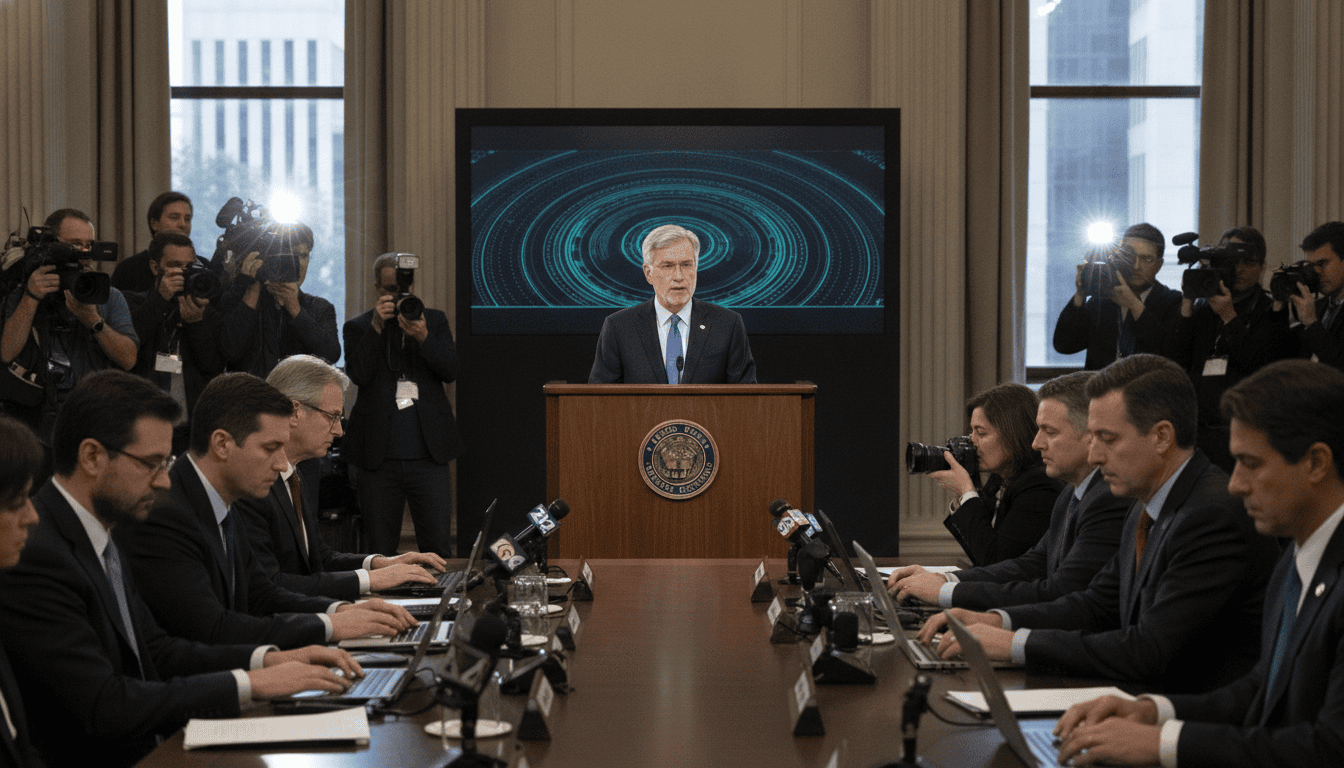
US inflation cools faster than expected as June CPI rises 3.5% year‑on‑year
U.S. consumer prices in June rose 3.5% year‑on‑year, easing more than economists anticipated and signaling a renewed slowdown in US inflation that could affect Federal Reserve policy and markets.
June consumer prices up 3.5 percent year‑on‑year
The U.S. Labor Department reported that headline consumer prices increased 3.5 percent in June compared with the same month a year earlier, below the 3.8 percent rise economists had forecast. The reading follows a 4.2 percent increase in May, marking a clear moderation in the headline US inflation rate over the past month.
Monthly data showed a smaller advance in several categories, suggesting that some of the upward pressure seen earlier in the year has begun to ease. Analysts cautioned, however, that headline inflation remains well above the Federal Reserve’s 2 percent target and that volatility in energy markets could change the trajectory quickly.
Core inflation retreats to 2.6 percent
Stripping out volatile energy and food prices, core consumer prices — a closely watched gauge of underlying inflation — slowed to 2.6 percent in June from 2.9 percent in May. The decline in the core rate reinforces the message that price pressures beyond commodities are moderating, though progress is uneven across services and housing components.
Economists noted that the drop in core inflation gives policymakers more room to assess whether recent easing represents a sustained trend or a temporary reprieve. Many point to shelter and service sector prices as areas to watch for signs that underlying inflation could re-accelerate.
Federal Reserve holds rates but signals vigilance
The Federal Reserve left its policy rate in a target range of 3.50 to 3.75 percent at its June meeting under new Chair Kevin Warsh, maintaining the stance that further tightening remains a possibility. Fed officials have repeatedly emphasized data dependency, and the June CPI print will be a key input for upcoming deliberations.
Board member Christopher Waller warned that the central bank may need to raise rates if inflation remains materially above the 2 percent goal, underlining that the path for US inflation will determine the timing and extent of any future moves. Market participants are parsing Fed commentary for clues on whether the committee will resume hikes later in the year or hold steady to monitor incoming data.
Geopolitical and energy factors shaped earlier inflation rise
Analysts link part of the earlier acceleration in inflation this year to heightened energy prices following geopolitical tensions tied to the conflict involving Iran, which intensified in February. Energy-driven cost increases fed through to transport and goods prices, contributing to the higher readings seen in the spring months.
While energy prices have moderated from their peak, the sector remains a wildcard: renewed supply disruptions or shifts in global demand could quickly reverse recent progress. Economists say that the degree to which core inflation continues to decline will determine whether the Fed can rely on disinflationary momentum without further policy tightening.
Market reaction and outlook for businesses and consumers
Financial markets reacted to the June report with a mix of relief and caution, as investors adjusted expectations for the pace of future Fed tightening. A softer inflation print typically eases pressure on bond yields and can bolster equity markets, but traders remain alert to incoming data that might restart concerns about persistent price pressures.
For businesses and households, the implications are practical: slower inflation can ease wage and input cost pressures over time, though many consumers continue to feel the effects of higher shelter and service costs. Companies that locked in pricing or contracts during the peak months may see narrower margins, while policymakers weigh the tradeoffs between cooling inflation and supporting growth.
The Federal Reserve’s next moves will hinge on a steady flow of monthly readings, with particular attention on core services and shelter components that have proved sticky. Policymakers will also monitor labor market indicators to gauge whether wage growth continues to feed into price dynamics.
Continued scrutiny of energy markets and geopolitical developments is likely as officials and analysts assess whether the June slowdown marks a durable turn for US inflation or a temporary respite amid ongoing uncertainties.
