
Stadium ban for child support evaders sparks debate after Buenos Aires mayor sends 13,000 names
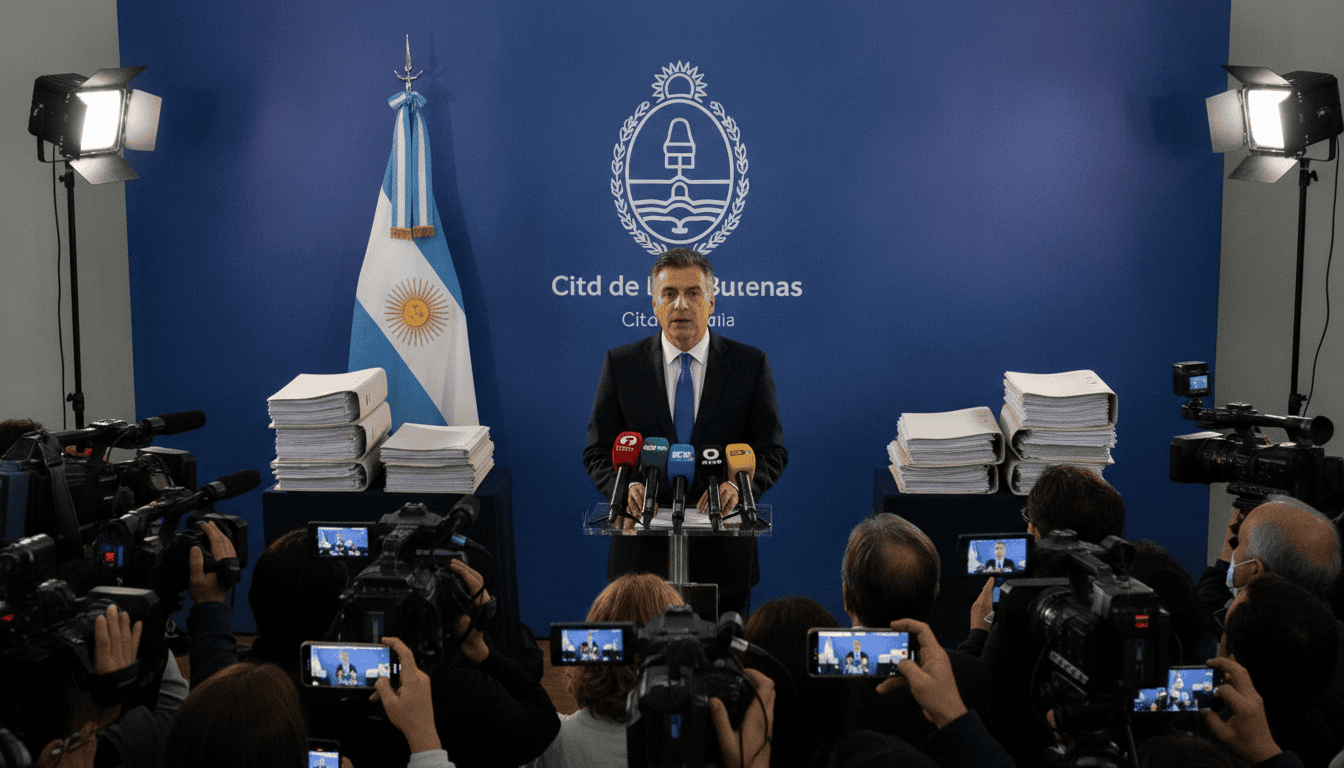
Buenos Aires mayor Jorge Macri sent 13,000 names to U.S. authorities in June asking for a stadium ban on fathers who missed payments, a move that has reignited debate over enforcement and due process
Jorge Macri sends 13,000 names to U.S. authorities
Buenos Aires mayor Jorge Macri in June transmitted a list of roughly 13,000 men to U.S. authorities requesting that they be barred from entering World Cup stadiums as a penalty for missed child support payments. The measure targeted fathers who had failed to pay two or more monthly maintenance instalments, according to the city communication.
Macri framed the action as a form of civic accountability, arguing that men who avoid financial responsibilities to their children should not be permitted to enjoy public entertainment events. The mayor posted a version of the message on platform X, reiterating the link between parental obligation and public privilege.
Local practice already restricts event access for delinquent payers
In Buenos Aires the city government has for years used entry bans to music and sports venues as one of several tools to pressure parents into meeting maintenance obligations. People on the municipal list are reportedly denied tickets to municipal events, creating a visible form of social sanction intended to prompt payment.
Officials say the policy is part of a suite of enforcement measures that include court orders, wage garnishment and administrative penalties. Supporters describe the approach as pragmatic and child centered, noting that it seeks to prioritize stable support for minors.
Mayor’s reasoning and public messaging
Macri defended the list as an extension of existing local practice to the international stage, contending that major global events should not provide refuge for those who neglect dependent children. His statement emphasized moral and civic standards, framing stadium access as tied to responsible parenthood.
The mayor’s public message appealed to frustration among custodial parents and to voters demanding firmer enforcement. At the same time the move was presented as symbolic, designed to attract attention and pressure recalcitrant payers into compliance.
Legal and practical enforcement challenges
Transmitting a municipal list of names to foreign authorities raises complex legal questions about jurisdiction, evidence and privacy protection. Enforcing a stadium ban at venues in another country depends on cooperation from local organizers and border or security officials who must weigh legal standards and available documentation.
Operational hurdles include verifying identities, ensuring due process for those named and reconciling differences in national law. Observers note that practical screening at large events is resource intensive and may not be an effective substitute for court ordered enforcement mechanisms.
Critics raise rights and fairness concerns
Civil liberties advocates and legal experts have expressed concern about stigma and potential errors in the list, arguing that exclusion from public events can amount to disproportionate punishment. Critics caution that administrative blacklists can trap people in cycles of exclusion, making it harder for them to secure employment and meet obligations.
Questions have been raised about safeguards for those erroneously identified, including processes to contest inclusion and to restore rights once debts are resolved. Advocates for children and custodial parents say enforcement should focus on securing payments while preserving procedural protections for the accused.
Impact on international events and precedent
The request to U.S. authorities highlights the tension that can arise when local social policies intersect with globally staged events. If foreign governments or event organizers accede to similar requests in future, the practice could create a patchwork of exclusionary measures tied to municipal lists.
Tournament hosts face reputational and logistical choices, balancing public safety and legal compliance with sensitivity to cross border human rights considerations. The episode also underscores how high profile events can become platforms for municipal governments to pressure recalcitrant debtors.
The list sent in June by Buenos Aires underscores a hardline approach to child support enforcement that seeks visible public consequences for non payment. Whether U.S. authorities or tournament organizers will implement stadium bans based on the municipal roster remains unclear, and the episode is likely to intensify debate about how to balance effective enforcement with fundamental legal protections.
