
FIFA World Cup 2026: Full schedule, stadiums and Germany’s surprise exit after penalty shootout
Meta description: FIFA World Cup 2026 schedule, host stadiums and broadcasters explained; review of Germany’s campaign and key knockout dates from June 11 to July 19, 2026.
Tournament overview and key dates
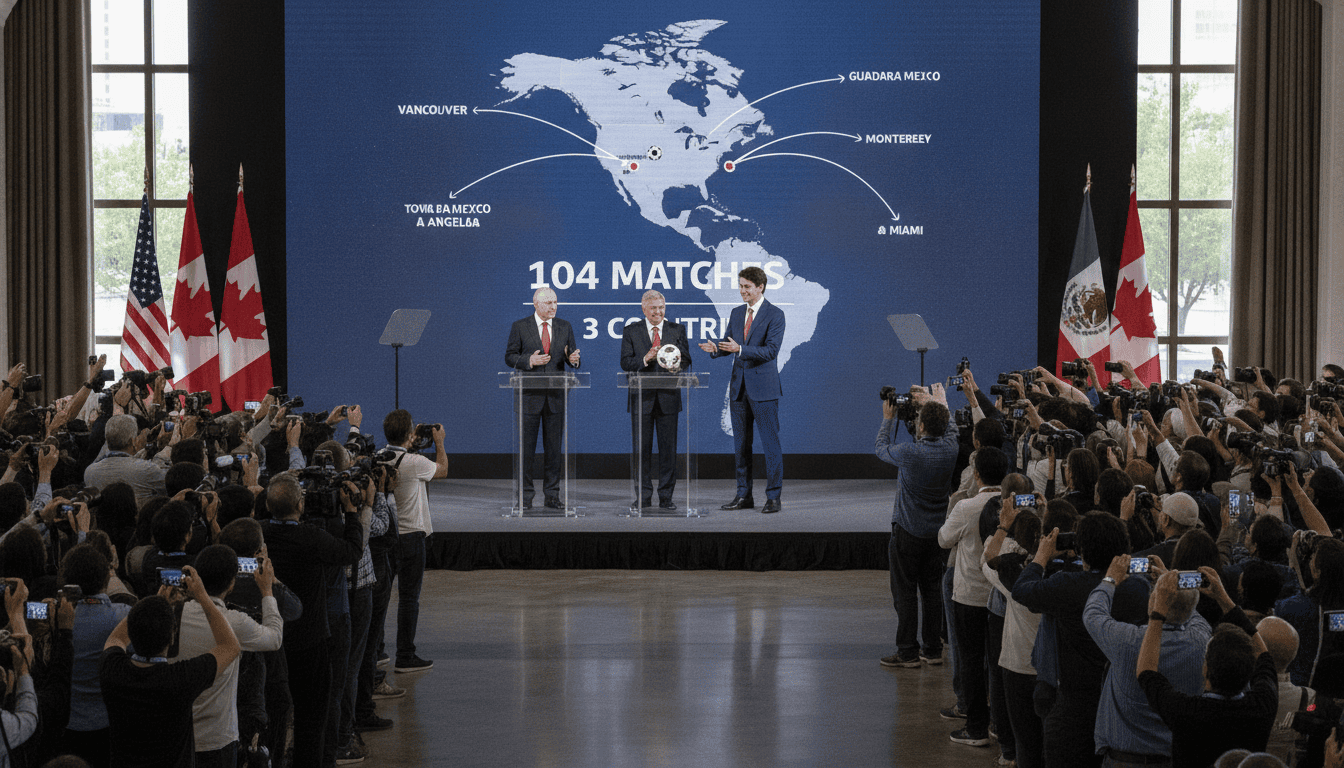
The FIFA World Cup 2026 runs from June 11 to July 19, 2026, across three host countries in North America. The expanded tournament features 48 national teams, 104 matches and a record number of host cities. Time differences for European viewers range from six to nine hours behind local kickoff times, requiring schedule adjustments for fans in Central Europe.
Organizers divided the teams into twelve groups with a new knockout round inserted to accommodate the larger field. The first two teams in each group advance directly, while the eight best third-placed teams progress to a 16-team knockout play-off. This format increases the number of decisive fixtures and introduces additional scheduling complexity for broadcasters and federations.
Format details and competition rules
The 2026 World Cup’s group stage uses standard tie-breakers starting with goal difference and goals scored. If those criteria remain equal, head-to-head results are applied, followed by fair-play points based on yellow and red cards. These rules determine which of the third-placed teams join the Sechzehntelfinale — the new round of 16 playoff introduced for this edition.
The expanded knockout structure produces more high-stakes matches over a compressed calendar. Teams in groups A, B and C face an additional two-day wait if they finish third, as tournament officials confirm qualifiers for the playoff round. This scheduling difference has created debate over recovery time and competitive fairness among national team coaches.
Germany’s campaign and elimination
Germany opened its World Cup campaign emphatically with a 7–1 victory over Curaçao on June 14, 2026, in Houston. Kai Havertz scored twice and substitute Deniz Undav contributed a goal and two assists in what appeared to be a statement performance. The second group match ended 2–1 in Germany’s favour against the Ivory Coast on June 20 in Toronto after a period of struggle.
On June 25 in New York, Germany lost 2–1 to Ecuador despite taking an early lead, leaving the team’s group standing unsettled going into the final match. The DFB side’s tournament ended on June 29, 2026, in Boston where Germany drew 1–1 with Paraguay and then lost the penalty shootout 3–4. It marked Germany’s first-ever World Cup elimination in a penalty shootout and prompted immediate scrutiny of tactics and selection.
Knockout schedule and headline fixtures
The knockout phase offers a packed run of fixtures culminating in the semifinals and final at major venues. The semifinals are scheduled for July 14, 2026, in Dallas and July 15, 2026, in Atlanta, both kicking off at 21:00 local time. The third-place match will take place on July 18, 2026, in Miami, and the final is set for July 19, 2026, in New York at 21:00 local time.
Earlier knockout highlights included France progressing with a 3–0 win over Sweden on June 30 and England defeating DR Congo on July 1 in Atlanta. Notable penalty drama occurred throughout the Sechzehntelfinale and quarterfinal stages, underlining how the tournament’s compressed schedule and high stakes have amplified the consequences of single-game errors.
Host cities and stadium capacities
Matches were played across 16 stadiums in the United States, Mexico and Canada, with the United States hosting 11 venues, Mexico three and Canada two. The largest stadium on the schedule was the Dallas venue in Arlington with a capacity of roughly 94,000, while Mexico City’s Azteca Stadium seats about 83,000 spectators. Canadian host sites included Toronto’s stadium (45,000) and BC Place in Vancouver (54,000).
Other U.S. venues included Boston’s Foxborough stadium (approx. 65,000), Atlanta’s 75,000-seat arena, Houston’s 72,000-capacity venue, and the New York/New Jersey stadium in East Rutherford with around 82,500 capacity. The geographic spread produced significant travel demands for teams and supporters, and it amplified the tournament’s logistical challenges, from transport to stadium security.
Broadcasting rights and viewing options
Public broadcasters in Germany carried a substantial portion of the tournament, with ARD and ZDF scheduled to transmit approximately 60 of the 104 matches. All matches were available via the subscription service MagentaTV, which offered complete live coverage and streaming. ARD and ZDF also provided streaming through their respective media libraries and apps to reach viewers across Europe.
For Central European audiences, broadcasters published kickoff times in Central European Summer Time (CEST), accounting for the six- to nine-hour time difference from match locations. This guidance helped viewers plan live viewing and highlighted the availability of catch-up streams and highlights packages for overnight fixtures.
The expanded format and transcontinental hosting made the FIFA World Cup 2026 a tournament of unprecedented scale and complexity. Fans experienced more matches, more host cities and a longer list of headline fixtures than in any previous edition.
Germany’s early elimination on June 29 after the penalty shootout against Paraguay will trigger a period of review for the national program, while the remainder of the tournament continued to deliver dramatic knockout ties and major fixtures through mid-July. FIFA’s experiment with 48 teams reshaped the calendar, and broadcasters, federations and supporters will take lessons from this edition into planning for future global competitions.
