
Mauritania migrant deportations drive asylum seekers into hiding in Nouakchott
Mass Mauritania migrant deportations have driven asylum seekers into hiding in Nouakchott, with rights groups contesting arrests, alleged bribes and the legality of expulsions. (156 characters)
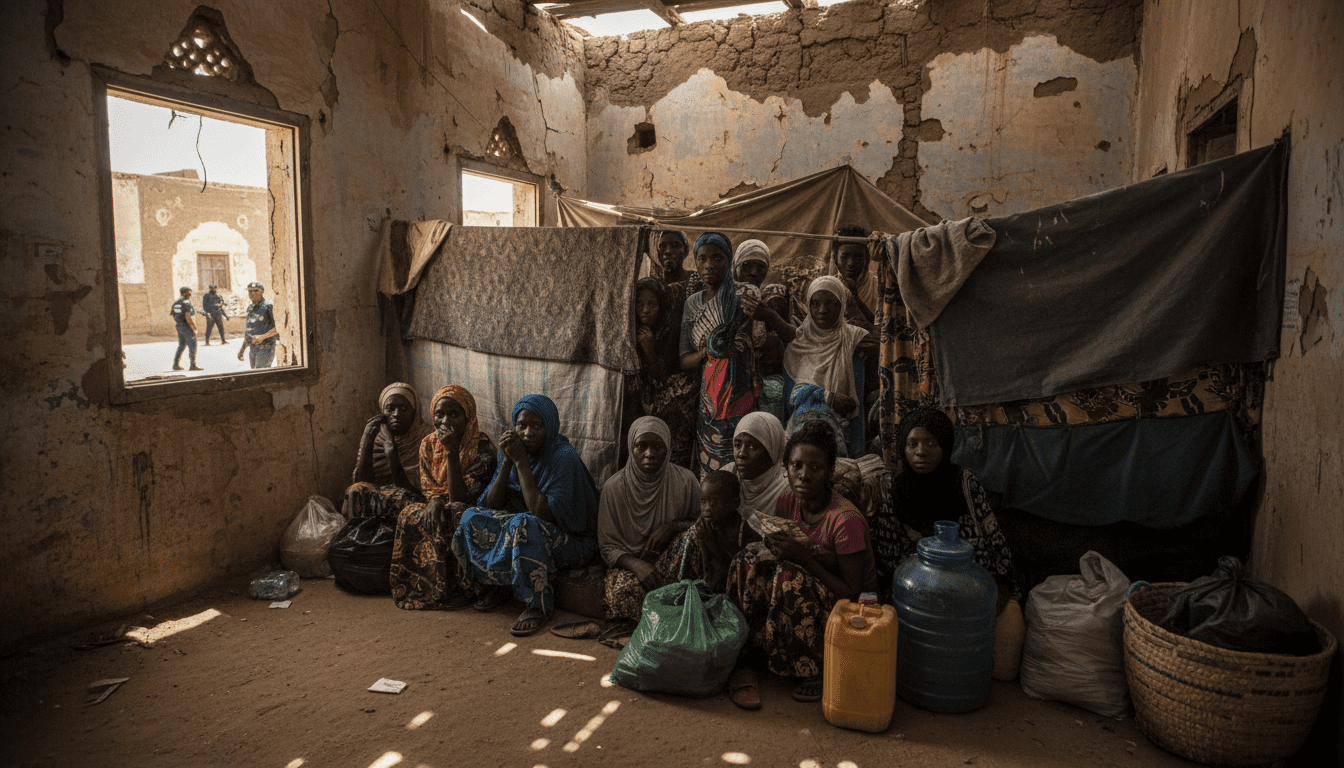
In Nouakchott, a series of Mauritania migrant deportations has pushed many foreign residents into seclusion, fearful of sudden arrests or forced removal. Survivors describe being detained without notice, asked for cash to avoid expulsion and stripped of basic security in a country where some once felt welcome. Humanitarian organizations and UN experts say the scale and methods of the operations raise serious legal and human-rights questions.
Deportation campaign pushes migrants into hiding
Several migrants interviewed in Nouakchott said they no longer venture outside during daylight, relying on friends with legal status to buy necessities. One young Congolese woman described repeated detentions and demands for large sums of money she could not afford, forcing her to sleep in a small apartment and avoid public spaces. Local accounts point to sweeping roundups by police in white buses that target people who appear to be migrants.
Those rounded up often report being taken directly to border points or detention facilities, sometimes without the chance to collect belongings or contact family. The fear has become widespread enough that entire networks of casual laborers who once worked openly in the capital have vanished from streets and markets. Business owners say the absence of these workers is already affecting services and small enterprises.
Arrests, alleged bribes and disputed figures
Multiple sources told reporters that detained migrants faced demands for payments to secure release or avoid deportation, and that some detainees were beaten or had valuables confiscated. Human Rights Watch cited government figures indicating tens of thousands were expelled during parts of 2025, a claim that observers say has been difficult to independently verify. Authorities maintain their operations focus on undocumented individuals and trafficking networks, but critics argue the practices exceed legitimate immigration enforcement.
Officials have in the past framed the actions as law enforcement against smuggling and illegal entry, yet migrant testimonies suggest people with expired permits or pending asylum claims have also been affected. The opacity of the processes and the reported reliance on identity profiling by appearance have amplified concerns about arbitrary enforcement. Legal advocates warn that detentions without adequate documentation of status undermine protections under international refugee law.
UN experts and rights organizations raise concerns
United Nations-appointed experts and a range of rights groups have publicly questioned the lawfulness of some deportations and called for transparent, humane procedures. They assert that any removals must respect asylum seekers’ rights to lodge claims and must not rely on de facto profiling or unlawful detention. International agencies have urged Mauritanian authorities to ensure access to fair legal review and to avoid collective expulsions.
Observers point to delays and administrative hurdles in regularizing residency as part of the problem, saying slow or inaccessible procedures may be used to justify expulsions. Advocates argue that improving the system for issuing and renewing documentation would reduce the number of people forced into irregular status and lessen their vulnerability to exploitation and abuse.
EU funding and bilateral security cooperation
European Union funding and bilateral agreements have played a visible role in recent migration-management efforts in Mauritania, with programmes aimed at border security and anti-smuggling initiatives. In 2023, a major package of more than 200 million euros was signed to deepen cooperation, and additional funds have been designated for economic development and humanitarian support. EU officials say the aim is to reduce dangerous sea crossings and dismantle criminal networks that profit from them.
Analysts note that financial and technical assistance can strengthen border control but caution that security-focused measures without complementary protections can displace rather than prevent migration. Researchers say cooperation with external partners often aligns with local interests in reducing visible irregular movement, while leaving unresolved the root drivers that push people to migrate.
Departures fall but routes and risks shift
Data from advocacy groups showed a marked drop in departures from Mauritania to the Canary Islands after enforcement intensified, and researchers reported that arrivals from Mauritania declined sharply between April and December 2025. Yet experts warn this does not mean migration stopped; rather, routes and departure points have shifted further down the coast to countries such as The Gambia and Guinea. Those longer sea journeys are generally more hazardous and increase the likelihood of tragedies at sea.
Smugglers adapt quickly to enforcement patterns, and migrants often accept riskier options when safer, regular pathways are limited. Observers argue that hardline measures can fragment migration routes and push people into the hands of more dangerous operators, worsening humanitarian outcomes even as official arrival numbers fall.
Local economy strained as migrant labour dwindles
Small businesses and informal service sectors in Nouakchott say they have lost a visible segment of their workforce as migrant workers disappear from public view. Migrants historically provided affordable manpower in trades such as plumbing, electrical work and market vending, and their absence has been felt in daily commerce. Employers who relied on both documented and irregular labor voiced frustration, noting the crackdown has harmed livelihoods across communities.
At the same time, the removal or disappearance of workers has raised social tensions, with some residents calling for stricter controls while others argue those working informally were essential to local economies. Community leaders warn that abrupt expulsions can create long-term social and economic costs if replacement labour is scarce and entrepreneurship is stifled.
Many of those living in fear in Nouakchott continue to seek legal routes out or hope for resettlement, while others try to blend into local life to avoid detection. One asylum seeker who registered with the UN refugee agency said his documentation remained unprocessed months after registration, yet he was detained and released only after a contact intervened. Dreams of rebuilding a life persist amid insecurity; some speak modestly of returning to school or migrating onward if a safe and legal option appears.
