
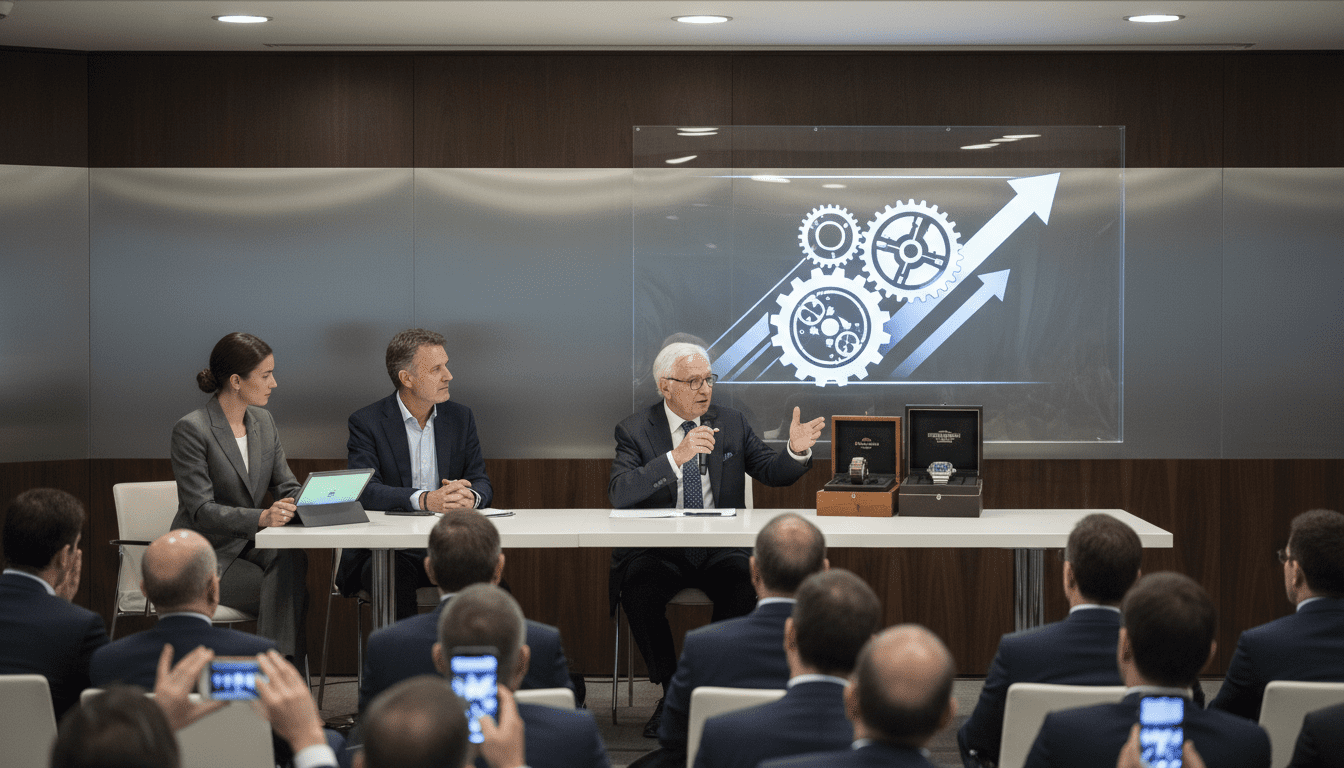
Luxury Watches Shift from Timekeepers to Emotional Assets, Expert Says
Pierre-Yves Donzé argues that luxury watches have evolved from practical timekeepers into symbolic luxury watches that confer status through storytelling and experience.
From Functional Tool to Symbolic Object
Pierre-Yves Donzé says the wristwatch has undergone a profound transformation over the past five decades. Once primarily a device to tell the time, it has become a visible marker of identity and social standing.
This shift means that many buyers purchase luxury watches for what they represent rather than for mechanical necessity. The implication for manufacturers is that value now hinges as much on meaning as on engineering.
Emotional Value Outstrips Utility
Donzé emphasizes that the most expensive watches carry a strong emotional charge for owners. That emotional value is translatable into financial value for watchmakers and retailers.
Collectors and new buyers alike seek objects that validate personal narratives, whether those narratives are about craftsmanship, heritage, or aspiration. For brands, the task is to design products that trigger those emotional responses consistently.
Brands Create Universes Around Watches
According to Donzé, the industry no longer sells isolated products but entire brand universes. Companies surround watches with curated stories, events, and experiences that amplify desirability.
These universes can include limited editions, partnerships, heritage storytelling, and immersive retail environments. By controlling the context in which a watch is seen and discussed, brands increase perceived rarity and prestige.
Why Consumers Accept High Prices
The willingness to pay thousands or even hundreds of thousands of francs for a watch is rooted in symbolism as much as scarcity. Buyers often view a high price as confirmation of status and of membership in a select group.
Manufacturers leverage this by aligning product narratives with social aspiration, celebrity endorsement, and demonstrable craftsmanship. The result is a market where price signals both material quality and intangible prestige.
Market Dynamics and Manufacturer Strategy
Donzé notes that companies have shifted investments from purely technical innovation to brand-building activities. Marketing budgets, events, and storytelling initiatives now claim a large share of resources traditionally devoted to product development.
This strategic reallocation reflects the reality that a desirable narrative can lift margins more effectively than incremental technical improvements. It also changes how brands measure success, prioritizing perceived value and cultural relevance.
Impacts on Retailers and Collectors
Retail channels are adapting to the universe-building approach by offering curated experiences rather than just transactions. Boutiques, pop-ups, and owner events are now part of the sales funnel for luxury watches.
Collectors respond to those experiences by placing premiums on provenance, condition, and story. Secondary markets and auction houses increasingly reward pieces with compelling histories, further reinforcing the emotional economy around watches.
Regulatory and Cultural Considerations
As watches become status symbols, the industry faces scrutiny over transparency, pricing practices, and the cultural effects of conspicuous consumption. Critics argue that some marketing strategies exploit social anxieties about status and identity.
Proponents counter that storytelling preserves craft and generates demand that sustains skilled labor. The tension suggests a need for clearer information on sourcing, pricing, and the real material value of high-end timepieces.
The market for luxury watches today reflects a complex balance between craftsmanship, narrative, and consumer psychology. Pierre-Yves Donzé’s observations underscore that the object on the wrist now functions as an economic signal, a personal statement, and a curated experience all at once.
