
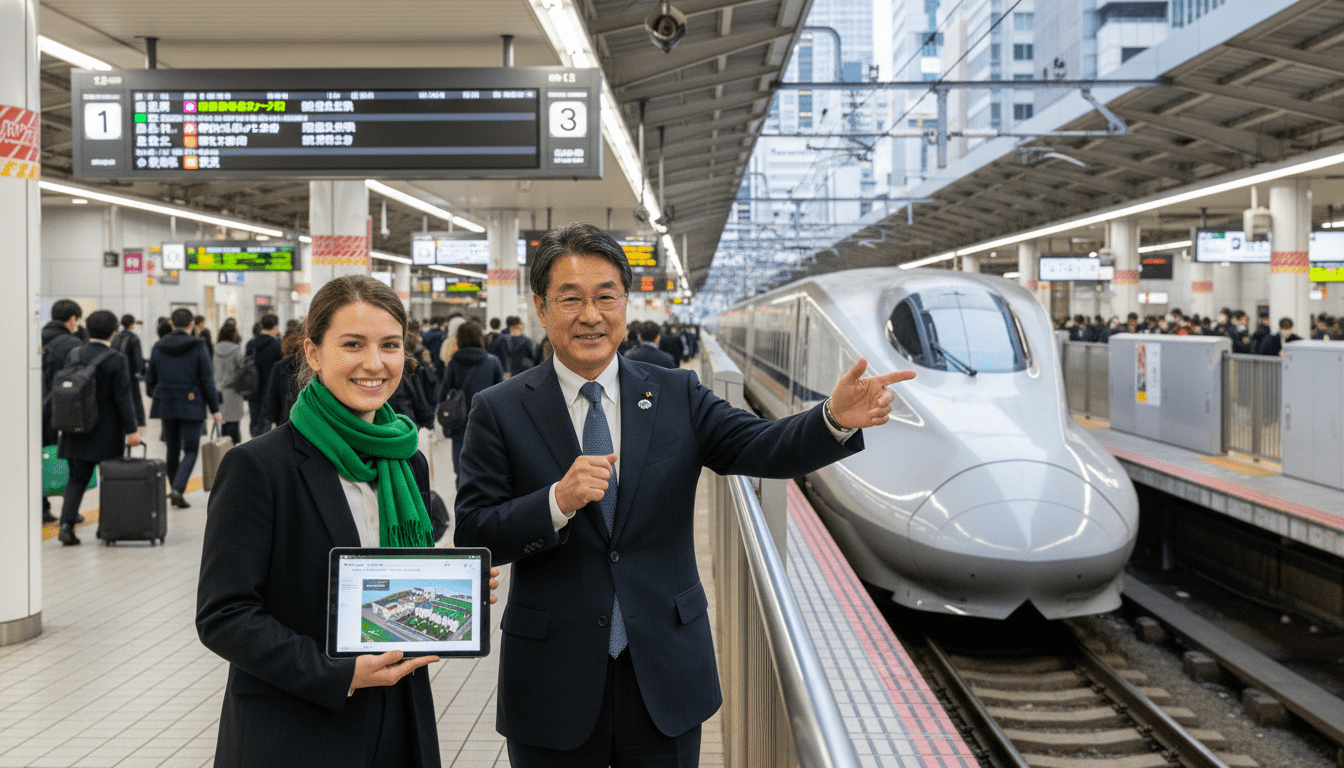
Germany’s MPs Look to Japan Infrastructure Model After Week in Tokyo Area
German lawmakers returned from a week in mid-April impressed by Japan infrastructure, citing reliable elevators, seamless escalators and notably smooth road and rail traffic.
Delegation and Mission
The cross-party delegation traveled to the Tokyo region in mid-April for a week-long study trip focused on budgetary practice and infrastructure upkeep. Members from all Bundestag factions took part to compare fiscal strategies and maintenance regimes used in a densely populated, high-income economy.
The mission aimed to gather practical lessons rather than adopt wholesale solutions, with briefings, site visits and exchanges designed to surface policies that might be adapted to German conditions. Delegates said the trip emphasized operational detail — not just headline projects — as essential to longer-term system reliability.
On-the-ground Impressions of Public Mobility
Lawmakers reported striking contrasts with some German cities when it came to everyday functionality in transport hubs and public spaces. Escalators and elevators were in continuous operation, cleanliness and signage were consistent, and passenger flows felt managed and predictable, contributing to overall ease of movement.
Delegates singled out both road and rail corridors for their fluidity, noting how small operational practices appeared to reduce delays and user friction. Those observations included station accessibility, timetable adherence and rapid response to minor disruptions, all of which shaped the delegation’s favorable view of Japan infrastructure.
Meetings with Officials and Technical Experts
The program included scheduled meetings with municipal and regional officials, as well as transport and infrastructure experts who outlined maintenance regimes and contracting approaches. Presentations focused on lifecycle budgeting, scheduled inspections and coordination mechanisms between agencies and private service providers.
Experts discussed how predictable maintenance funding and clearly defined responsibilities can prevent small defects from becoming costly failures. Delegates were shown examples of routine asset audits and contractual incentives that reward reliability, not just construction speed.
Historical Context and a Role Reversal
Germany and Japan have long traded institutional ideas; historically, Japan adapted elements of German social and technical systems during its modernization phases. Delegates remarked on the emerging role reversal, where Tokyo-area practices now offer concrete lessons for German planners.
That shift reflects decades of policy evolution in both countries: Germany’s early industrial and regulatory models influenced Japan’s formative reforms, and now Japan’s focus on operational excellence and user-oriented maintenance is being examined as a template for German cities and transport networks.
Policy Takeaways for German Infrastructure Management
Parliamentarians returned with a short list of practical considerations for German policy, beginning with tighter preventive maintenance schedules and clearer budget lines for operations. They also highlighted the value of small-scale procedural changes — such as standardized inspection protocols and performance-linked service contracts — that can produce outsized reliability gains.
Delegates discussed strengthening coordination across federal, state and municipal authorities to reduce fragmentation in upkeep responsibilities. Several members indicated interest in trialing specific approaches, like dedicated maintenance funds and municipal pilot projects that prioritize passenger experience alongside technical metrics.
Political and Legislative Follow-up
Back in Germany, lawmakers signaled plans to present findings to relevant Bundestag committees and to propose targeted inquiries or hearings. Cross-party interest could accelerate practical pilots, especially where shared fiscal responsibility or EU funding mechanisms can be leveraged.
Some delegates said they would push for more intensive reporting on backlog maintenance in transport networks and for comparative studies that estimate the costs and benefits of shifting resources from new construction to sustained operations. The visit has already catalyzed internal discussions about prioritizing reliability in public spending decisions.
The delegation’s observations underscore a pragmatic pathway for German infrastructure policy: by focusing on routine upkeep, operational clarity and modest procedural reforms inspired by Japan infrastructure practices, policymakers hope to enhance everyday mobility for citizens while avoiding the need for radical or costly system overhauls.
