
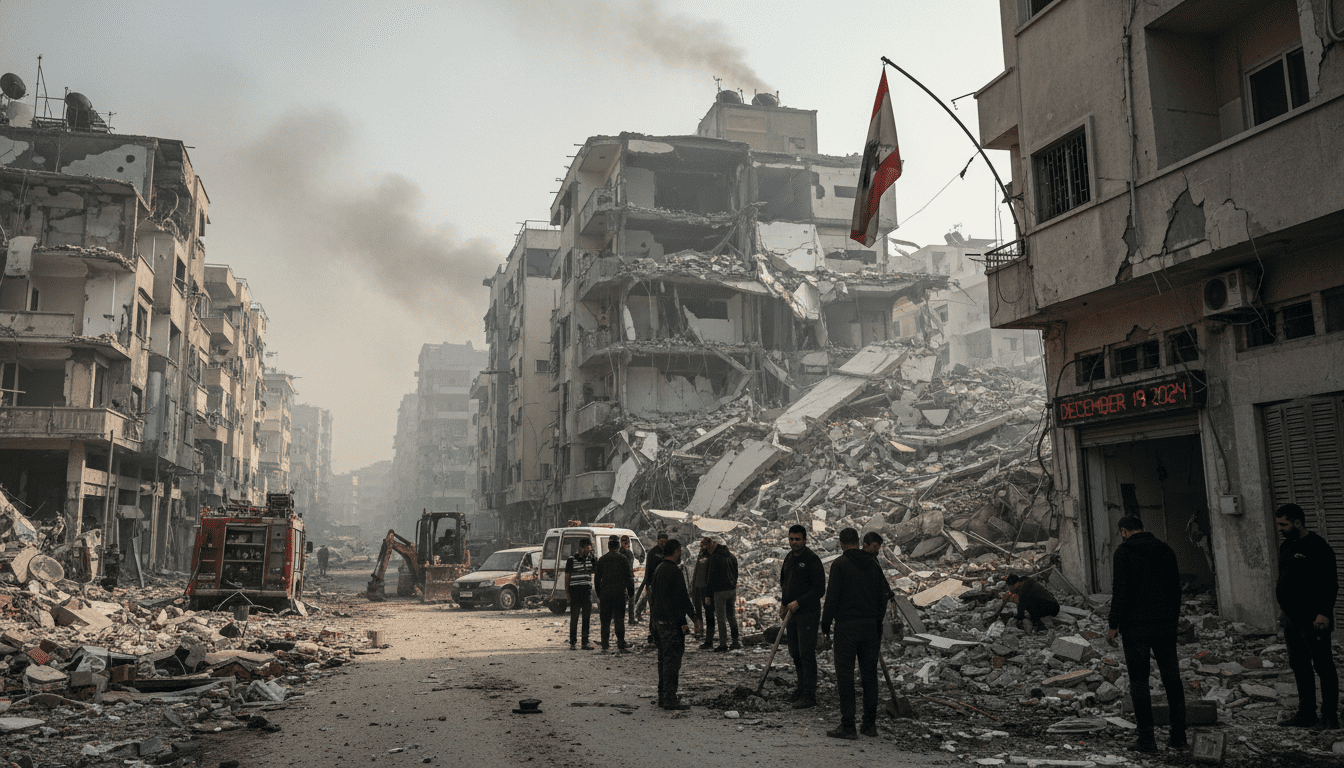
Israel air strikes in Lebanon blamed for 3,151 deaths, health ministry reports
Lebanon Health Ministry reports 3,151 killed and 9,571 wounded by Israeli air strikes in Lebanon since March 2; strikes intensified despite April 22 ceasefire.
Lebanon’s Health Ministry says Israeli air strikes in Lebanon have killed 3,151 people and wounded 9,571 since March 2, according to a statement carried by the state-run National News Agency. The ministry reported that attacks intensified across southern and eastern Lebanon on Saturday, even though a ceasefire that took effect on April 22 is officially in place. Health officials highlighted a heavy civilian toll, saying the dead include 123 medics, at least 210 children and nearly 300 women.
Casualty figures and demographic breakdown
The Health Ministry’s tally, released through the National News Agency, provides the most recent consolidated casualty figures from Lebanese authorities. The reported numbers cover the period beginning March 2 and list both fatalities and injuries, reflecting the scale of the strikes across multiple regions.
Among the dead, health officials singled out medical personnel and children, underscoring concerns about attacks on protected groups and essential services. The ministry did not provide locations for every incident but emphasized that healthcare workers have been disproportionately affected.
Reports of renewed strikes across southern and eastern Lebanon
Lebanese officials said that strikes intensified in southern and eastern provinces on Saturday, despite the ceasefire declared on April 22. The ministry’s statement framed the escalation as a continuation of a campaign that has inflicted severe damage on civilian areas.
Local emergency responders and municipal sources have reported damage to homes and infrastructure in the affected regions, with rescue teams continuing recovery operations. The pattern described by authorities suggests the strikes have been geographically widespread rather than confined to a single front.
Impact on medical services and first responders
The ministry’s count that 123 medics have been killed points to a mounting strain on Lebanon’s health system as it grapples with rising patient numbers and reduced staffing. Hospitals and clinics in the hardest-hit areas have reported shortages of staff and medical supplies in recent weeks.
Health officials warn that losing trained personnel undermines the capacity to treat the wounded and manage public-health risks. Ambulance services and emergency units face heightened demand while operating under security risks, according to the ministry’s summary.
Children and women among the casualties
At least 210 children and nearly 300 women are included in the ministry’s fatality figures, a statistic that highlights the conflict’s civilian toll. Health authorities and aid organizations frequently note that children and women are especially vulnerable in armed confrontations and displacement crises.
The loss of so many young lives has drawn concern from local communities and humanitarian groups, which say long-term trauma and disruption to education and family life will persist beyond the immediate emergency. Rehabilitation and psychosocial support needs are expected to rise as displacement and damage to infrastructure continue.
Ceasefire status and continued hostilities
The ceasefire that took effect on April 22 was intended to reduce hostilities, but the Health Ministry’s statement reported renewed strikes after that date. Lebanese officials described the recent attacks as occurring despite the declared cessation of hostilities, raising questions about the durability of the agreement.
Independent verification of the incidents cited by the ministry is limited in some areas due to access constraints and ongoing insecurity. Humanitarian actors have previously warned that even intermittent violations of ceasefires can rapidly erode protections for civilians.
Humanitarian needs and aid access challenges
The rising casualty figures have increased pressure on humanitarian organizations working in Lebanon to expand assistance and secure safer access to affected communities. Authorities say the combination of damaged infrastructure, displaced populations, and reduced health staffing is complicating aid delivery.
Humanitarian groups have repeatedly called for unobstructed access to provide medical care, food, shelter and other services to civilians caught in conflict zones. The ministry’s figures have been cited by local aid coordinators as evidence of urgent and growing needs.
The Lebanese Health Ministry’s consolidated report, distributed by the National News Agency, paints a grim picture of mounting casualties from Israeli air strikes in Lebanon since March 2. With medics, children and women among the dead and hospitals under strain, officials warn that the humanitarian and public-health consequences will continue to unfold while access and security remain constrained.
