
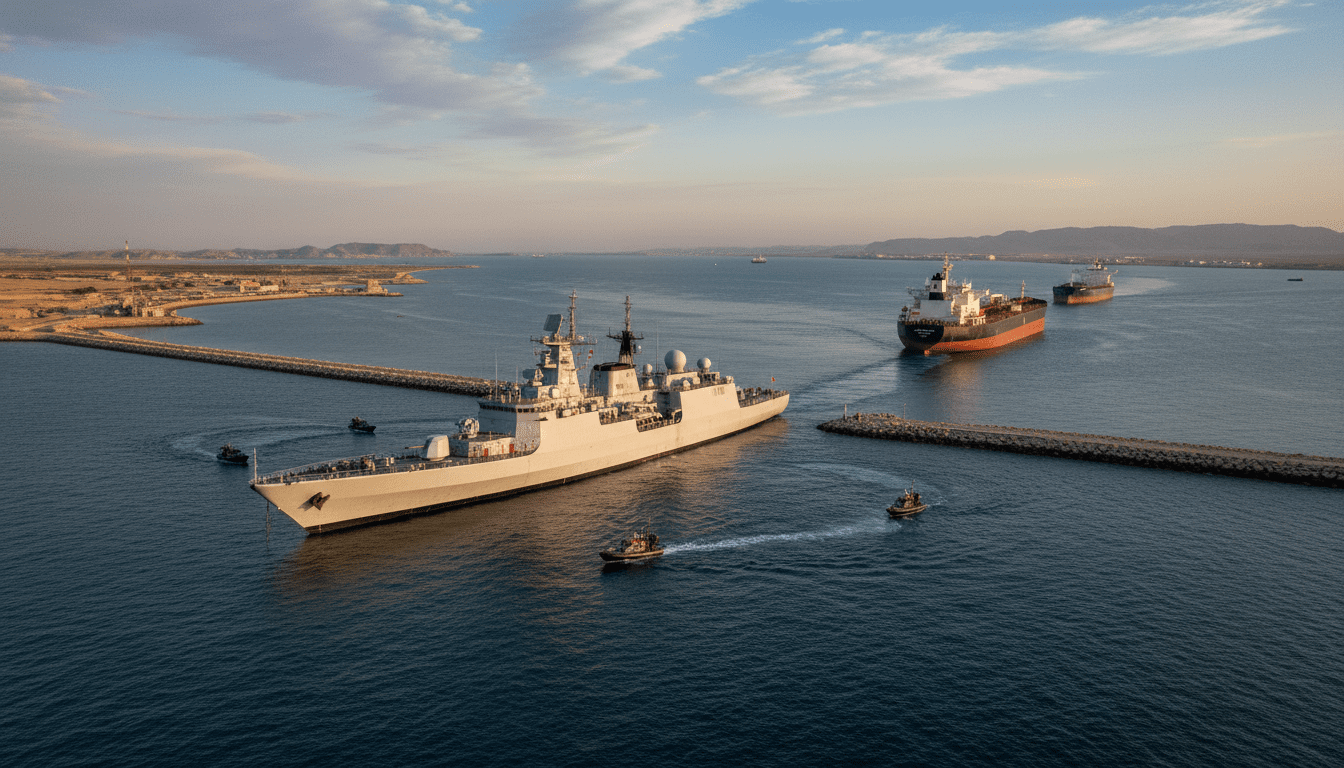
US Announces Strait of Hormuz Blockade; Iran Calls Move “Act of Piracy”
US blockade of the Strait of Hormuz set to begin April 13 has prompted a stern Iranian military response, which described the blockade as illegal and an “act of piracy” and warned regional ports would be at risk. The declaration has halted much traffic through the chokepoint and raised fresh concerns about energy supplies and escalation. (apnews.com)
US Announces Blockade of Iranian Ports
The United States said its naval forces will begin enforcing a blockade on vessels entering or leaving Iranian ports on April 13, part of a push to restrict Tehran’s maritime access. U.S. Central Command described the measure as an impartial enforcement action aimed at stopping shipments to and from Iranian ports while allowing non-Iranian transit where applicable. (apnews.com)
The announcement followed the collapse of high-level talks and was delivered as part of a broader U.S. strategy to apply pressure short of full-scale invasion. Senior U.S. officials framed the step as intended to limit Tehran’s ability to sustain military operations and to coerce a return to diplomatic channels.
Iran Labels Blockade ‘Illegal’ and ‘Act of Piracy’
Iran’s unified military command immediately rejected the U.S. move, calling the blockade illegal and equating it with piracy in statements carried by state media. Tehran’s statement warned that if the security of Iranian ports were threatened, “no port in the region will be safe,” signaling broad retaliatory intent. (brecorder.com)
Iranian officials and state broadcasters framed the blockade as a violation of international law and said Tehran would consider measures to protect its interests and those of vessels it deems friendly. The rhetoric raises the risk of maritime confrontations beyond Iranian waters.
Shipping Traffic and Oil Markets Respond
Commercial shipping in and around the Strait of Hormuz showed signs of paralysis after the blockade announcement, with some tankers holding off transit and others rerouting along longer, costlier passages. The interruption of traffic has already fed volatility in global oil markets, adding to price anxiety and supply-chain disruption. (WashingtonGazette.com)
Analysts warned that prolonged restrictions could lift insurance and freight costs, slow deliveries of crude and liquefied natural gas, and further strain markets still recovering from earlier disruptions. Owners and flag states face complex choices about risk, insurance and crew safety.
CENTCOM Rules and Enforcement Details
U.S. Central Command outlined that the blockade would be enforced impartially against vessels tied to Iranian ports and coastal areas, and specified operational timelines that began on April 13. The guidance emphasized inspections, interdictions and possible diversion of suspect vessels to U.S.-held areas for further checks. (apnews.com)
Military officials said the blockade aimed to avoid indiscriminate disruption of international shipping while denying Iran the economic lifelines it uses for both civilian exports and state revenue. Legal advisers in Washington acknowledged the action sits in a contested space of maritime law and force projection.
Regional Capitals and International Reactions
Gulf states and other international actors moved quickly to assess exposure and coordinate contingency measures after the announcement. Some regional governments expressed concern about the humanitarian and commercial consequences while calling for restraint and return to negotiations. (theguardian.com)
China and other trading partners urged adherence to diplomatic processes and warned against escalation. International maritime agencies and shipping bodies cautioned shipowners about higher risks, advising rerouting where possible and close liaison with flag states.
Legal Questions and Maritime Precedents
Maritime law experts say the legality of a unilateral blockade on ports of a sovereign state is fraught and would likely be challenged across multiple international forums. Past incidents of seizing or blocking commercial vessels have provoked accusations of piracy and prompted debate over the proper use of naval power in enforcing political goals. (fadelabdulghany.net)
Observers note a distinction between lawful interdiction under UN mandates or collective security authorizations and unilateral measures taken without broad international backing. That legal ambiguity increases diplomatic pressure and complicates efforts by neutral shipping interests to resume normal operations.
The immediate future hinges on whether the blockade is strictly enforced, whether Iran follows through on its threats to target ports deemed linked to the U.S. campaign, and whether international mediators can revive ceasefire talks in the coming days.
