
US Announces 45-Day Extension of Hezbollah-Israel Ceasefire as Talks Continue in Washington
The US says the Hezbollah-Israel ceasefire will be extended 45 days, announced May 15, 2026, as Pentagon and Washington negotiations aim to secure a more durable truce and border security.
US Announces 45-Day Extension of Ceasefire
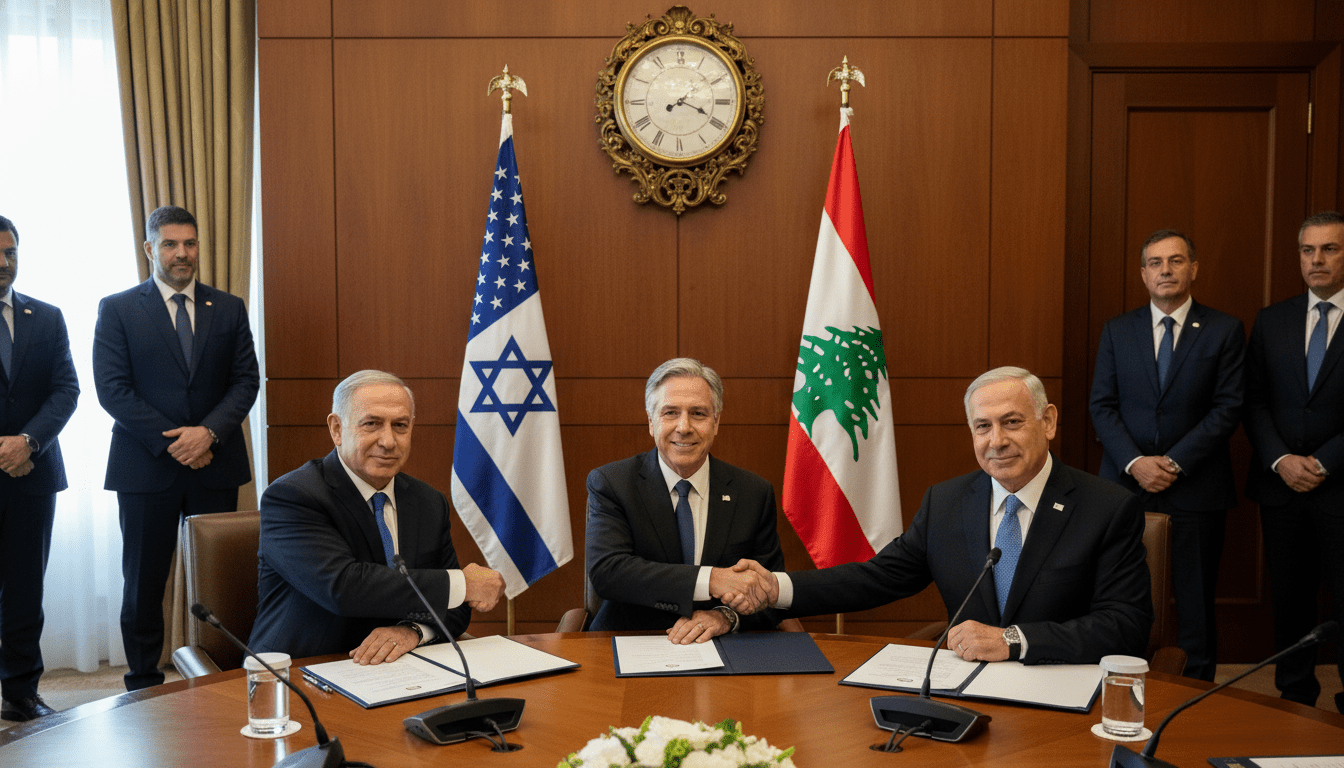
The State Department announced on Friday, May 15, 2026, that the Hezbollah-Israel ceasefire will be extended by 45 days, according to spokesman Tommy Pigott on X. The extension follows a third round of talks in Washington between Israeli and Lebanese government representatives.
US officials said the agreement provides additional time for diplomatic and military channels to pursue a more durable arrangement, even as violations of the truce have continued in recent weeks. The Hezbollah movement has not publicly confirmed its consent to the extension.
Pentagon and Washington Meetings Set for Late May and Early June
US officials said a military dialogue between delegations will take place at the Pentagon on May 29, 2026, followed by further mediated discussions in Washington on June 2–3, 2026. The meetings are intended to refine a negotiating framework and translate diplomatic understandings into practical arrangements on the ground.
Washington described the planned talks as focused on promoting a lasting peace, mutual recognition of sovereignty, and enhanced security along the Israel–Lebanon border. Both sides agreed to a negotiation framework, US officials said, though disagreement remains on key implementation steps.
Ceasefire Breaches and Continued Fighting in South Lebanon
Despite the truce, both Israel and Hezbollah have repeatedly exchanged fire, and clashes continue in parts of southern Lebanon. Israeli forces remain deployed in the south, and the Israeli military has reported continued engagements with Hezbollah fighters on the ground.
Israeli air strikes have also targeted positions in southern Lebanon and, most recently, a suburb of Beirut that Israel said resulted in the death of a senior Hezbollah commander associated with the Radwan unit. Those strikes and ground confrontations have contributed to persistent instability along the frontier.
Terms of the Original Agreement and Human Toll
The initial agreement, negotiated in mid‑April, placed obligations on the Lebanese government to prevent Hezbollah from launching attacks into Israel with the assistance of international partners. Israel agreed in turn to limit offensive military operations inside Lebanon while retaining the right to defend against imminent or ongoing attacks.
Humanitarian organizations and official tallies indicate heavy losses in Lebanon since the renewed conflict began in early March 2026, with roughly 2,900 people reported killed, including large numbers of women and nearly 200 children. The ceasefire extension seeks to reduce that toll while negotiators attempt to solidify enforcement mechanisms.
Lebanese Politics and Hezbollah’s Rejection of Talks
The Lebanese government, which is not a formal party to the militia, has emphasized de‑escalation and the need for a stable ceasefire but has resisted moves toward full normalization with Israel under current conditions. Lebanon’s leadership has previously rejected high‑level bilateral meetings proposed by Washington, citing domestic sensitivities.
Hezbollah and its political backers view the talks as capitulation and insist on a halt to Israeli attacks and a withdrawal of Israeli forces from southern Lebanon. The militia has not formally signed onto the international framework underpinning the ceasefire and continues to be broadly supported by segments of the Shiite community.
Armed Forces, Disarmament Challenges and International Pressure
Under the April terms, the Lebanese army was expected to assume control of certain border areas as part of an eventual disarmament process for Hezbollah, but the army is widely assessed by observers as underfunded and less capable than the militia. That capability gap has been cited by both Hezbollah and critics as a core obstacle to a full transfer of authority.
Germany has urged lapses in enforcement to be addressed by strengthening Lebanese state capacity, with Foreign Minister Johann Wadephul stressing that a stable Lebanon requires a state capable of upholding a monopoly on force. Israel, for its part, continues to press for a durable demilitarized buffer and the dismantling of Hezbollah’s offensive capabilities.
The extension buys negotiators more time, but it also increases the pressure on the Lebanese government to demonstrate tangible steps toward disarmament while managing domestic political and sectarian tensions. Observers say the coming weeks of talks will be critical to whether a longer‑term settlement can be designed and enforced.
The ceasefire extension represents a fragile pause in a conflict that has repeatedly flared despite diplomatic efforts, and the scheduled Pentagon and Washington sessions will be watched closely by regional capitals and aid organizations. The success of the 45‑day window will depend on the ability of international mediators to convert pledges into verifiable actions on the ground and on whether Hezbollah or Israel undertake major new operations that would unravel the agreement.
Short‑term stability remains uncertain as both sides test the limits of the truce and domestic political pressures in Beirut and Jerusalem influence negotiating positions. The next month and a half will therefore be decisive for whether the extension becomes a stepping stone toward broader de‑escalation or merely a temporary lull before renewed hostilities.
