
Germany news: Economy ministry seeks lobby input, Ukraine says robots led advance, Deutschlandticket saves millions of tonnes of CO₂
Germany news: Economy Ministry sought lobby input, Ukraine reports robot-and-drone advance, and the Deutschlandticket saves millions of tonnes of CO₂.
The German Economy Ministry has invited lobbyists to provide input on a draft law, while Ukraine has reported capturing a position using robots and drones, and new figures suggest the Deutschlandticket has cut millions of tonnes of CO₂. Germany news outlets circulated the three developments on Wednesday as public debate intensified over transparency, autonomous warfare claims and the climate impact of transport policy. Each story raises separate policy and ethical questions for lawmakers and the public.
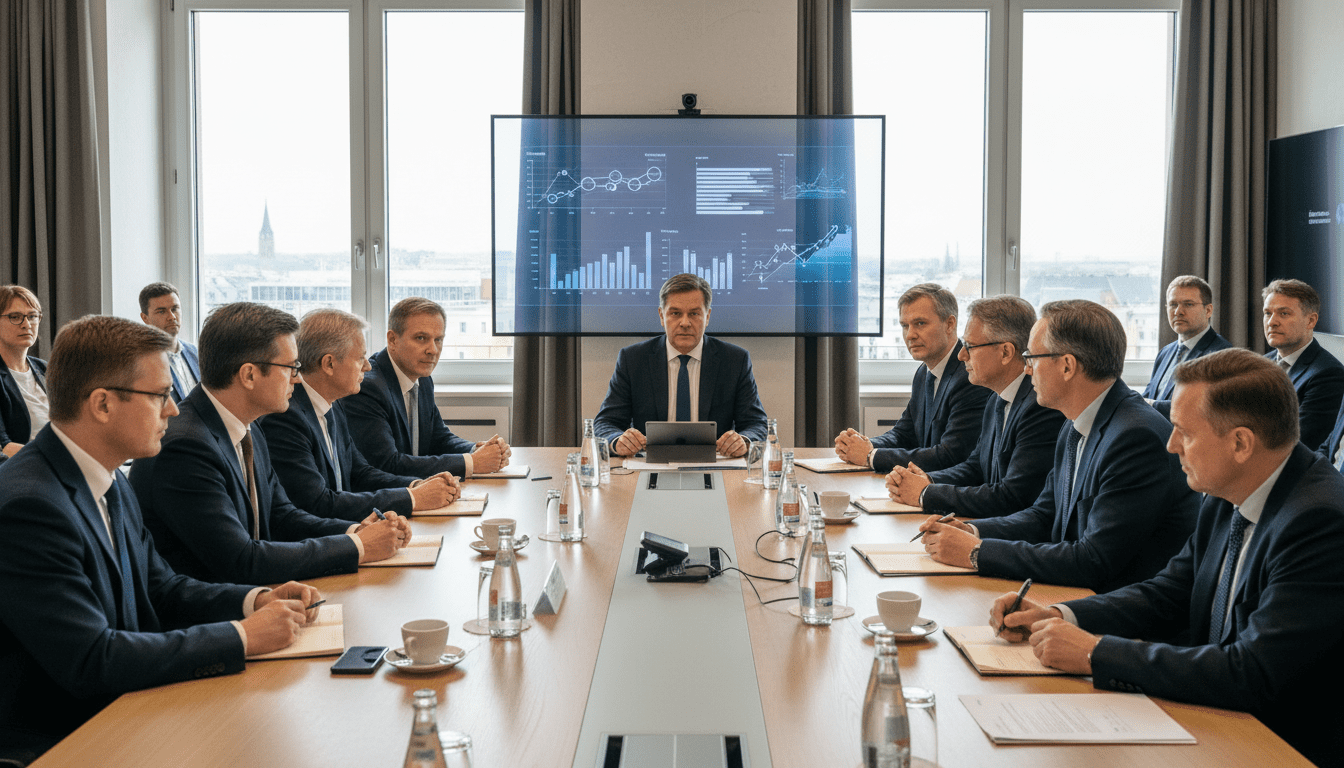
Economy Ministry Requests Lobby Input on Draft Law
The Federal Ministry for Economic Affairs and Climate Action sent formal requests for submissions from industry groups and associations as it prepares changes to an unspecified piece of legislation. Officials said the move was intended to gather technical expertise, but critics argue the timing and scope risk privileging organized interests over broader public consultation.
Opposition politicians and watchdogs have called for clearer disclosure about which organizations were contacted and the content of their submissions. The controversy places lobbying transparency at the center of an ongoing debate about how laws are shaped in Berlin.
Parliamentary and Public Response to Outreach
Lawmakers from several parties demanded the ministry publish a list of consulted groups and their positions, arguing that openness is essential to democratic legitimacy. Civil society organisations warned that late-stage input by well-resourced lobbyists can skew regulatory outcomes and recommended formalized public comment periods.
The ministry responded by saying it would disclose summaries of the contributions when the draft law is published and stressed that industry input is a routine part of policy development. The exchange highlights tensions between rapid policy-making and demands for procedural transparency in Germany news coverage.
Ukraine Reports Advance Using Robots and Drones
Ukrainian military sources reported that a frontline position was regained with the aid of robots and unmanned aerial systems, a claim that attracted immediate attention from international observers. The account described coordinated use of ground robots and airborne drones to suppress enemy positions and limit human exposure during the operation.
Independent verification of the specific incident remains limited, and analysts caution that battlefield claims can be difficult to confirm in real time. Nonetheless, the episode underscores the growing role of unmanned systems in modern combat and has prompted renewed discussion about how such capabilities are monitored and regulated.
Expert Commentary on Autonomous Systems in Conflict
Military analysts noted that robots and drones increasingly serve reconnaissance, logistical and direct-action roles, but stressed that operational claims require corroboration from multiple sources. Legal scholars and human-rights advocates reiterated concerns about accountability and the need for clear rules when lethal force is employed by or through automated systems.
The incident also raises questions for Germany news consumers about domestic policy: as European countries consider supplying more advanced systems to Kyiv, policymakers must balance military effectiveness with legal and ethical obligations.
Deutschlandticket Reportedly Cuts Millions of Tonnes of CO₂
New assessments indicate the nationwide Deutschlandticket has reduced carbon emissions by millions of tonnes since its introduction, primarily by encouraging a shift from private cars to public transit. Transportation experts attribute savings to increased passenger volumes on regional and urban services and to modal shifts for regular commuters.
Researchers point out that the precise climate impact varies by region and depends on whether passengers would otherwise have used low-emission alternatives. Still, the aggregated data provide a compelling case that affordable, flat-rate public transport can be an effective lever in national climate strategies.
Policy Implications for Transport and Climate Goals
Transport ministries and municipal authorities are using the Deutschlandticket data to justify further investments in service frequency, capacity and infrastructure upgrades. Advocates argue that sustained pricing incentives combined with service improvements can lock in long-term behavioural change and amplify CO₂ reductions across Germany.
Fiscal debates persist about funding models for expanded services and whether targeted subsidies or broader fare policies offer the best value for money. The emerging evidence will shape decisions ahead of budget cycles, and the results are likely to feature prominently in Germany news reporting on climate policy.
The three developments — lobbying outreach by the Economy Ministry, Ukraine’s reported use of robots and drones, and the reported CO₂ savings from the Deutschlandticket — each represent different pressures on public policy in Germany. As scrutiny intensifies, lawmakers, experts and civil society actors will press for clearer information, independent verification and policy adjustments to address transparency, ethical limits in warfare, and the pursuit of climate targets.
