
Germany’s upper house backs bill to criminalise denial of Israel’s existence
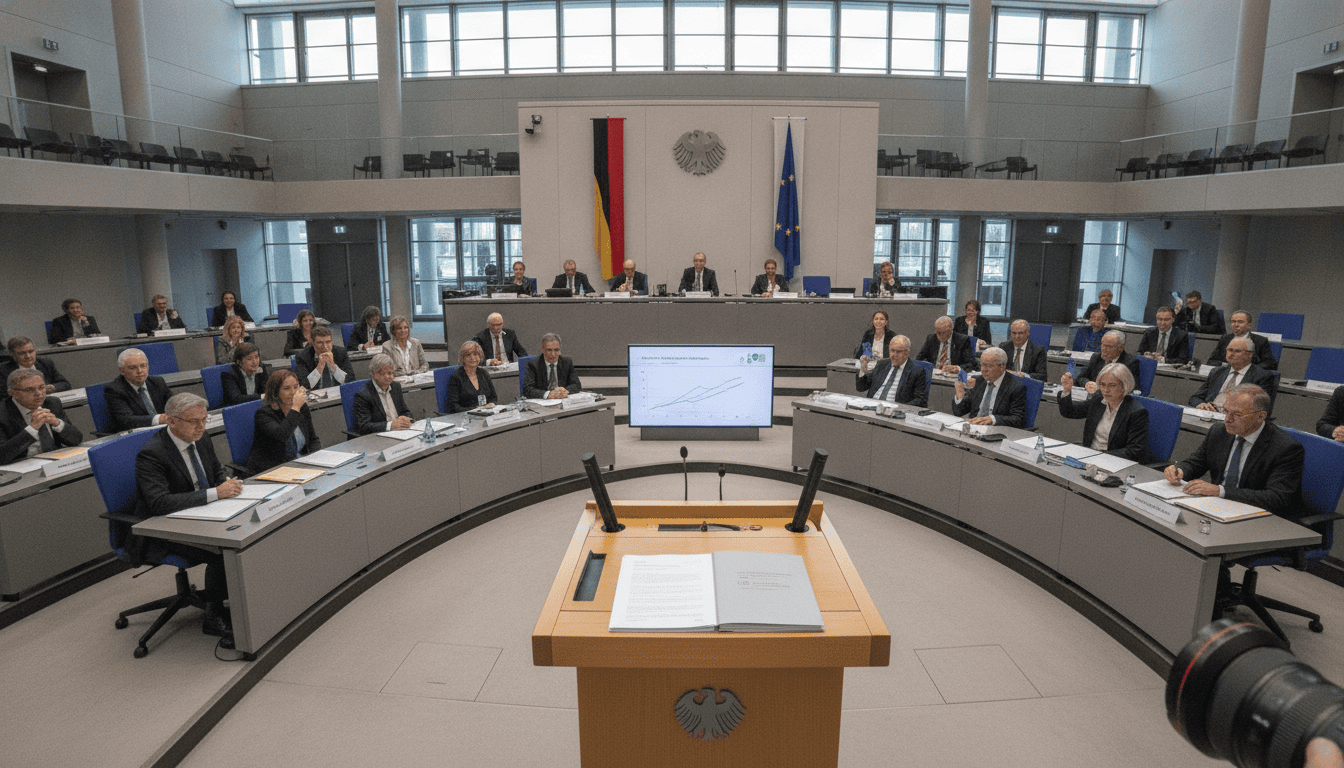
Germany’s Bundesrat approved a bill on Friday to criminalise denial of Israel’s right to exist, a measure that would make public calls to abolish the state punishable by prison or fines. The proposed law, introduced by the state of Hesse, names “criminalise denial of Israel’s existence” as its central purpose and will go to the Bundestag after the parliamentary summer recess. Supporters say the change aims to counter antisemitism, while critics warn it creates an uneven legal protection between Israel and Palestine and risks curbing political expression.
Bundesrat approves draft bill
The Bundesrat’s endorsement on Friday followed debate among state representatives and moves by Hesse to place the issue on the federal agenda. Approval in the upper house means the draft now advances to the Bundestag, where lawmakers will consider amendments and a final vote after the legislature returns from recess.
Proponents framed the measure as a response to rising antisemitic incidents and a perceived increase in calls in Germany to delegitimise Israel. Opponents argued the measure could have chilling effects on political protest and academic debate, and urged clearer definitions to avoid arbitrary enforcement.
Proposed penalties and legal scope
Under the draft, anyone who publicly denies Israel’s right to exist or advocates for the state’s abolition could face up to five years in prison or a financial penalty. The text targets public statements and organised campaigns that actively seek to remove Israel’s statehood rather than private or historical argumentation.
Legal experts have pointed to potential challenges in applying the law, including defining the boundary between protected political speech and criminal advocacy. Courts would likely be asked to interpret intent and context, and constitutional questions on free expression are expected to follow if the bill becomes law.
Political context and recognition of Palestine
The debate over the bill comes amid wider controversy in Germany over its position on the Israeli-Palestinian conflict. Berlin continues to stop short of recognising Palestinian statehood, a stance critics say has created an asymmetry in how the two national projects are treated under German law and foreign policy.
Supporters of the government stress longstanding German commitments to Israel’s security and the prevention of antisemitism, rooted in historical responsibility. Critics, including activists and some legal scholars, say criminalising denial of Israel’s existence while not offering comparable recognition or protection to Palestinians will deepen political polarization.
Restrictions on pro-Palestine activism
In recent months Germany has tightened rules around demonstrations, events and cultural activities seen as supporting Palestinian rights, citing security concerns and the need to prevent antisemitic content. Local authorities have restricted marches, dissolved conferences and imposed conditions on public events in several cities.
Civil liberties groups argue these measures have sometimes been applied broadly and without transparent standards, affecting legitimate political expression. Authorities counter that targeted restrictions are necessary to protect public order and Jewish communities from rising threats.
Reactions from political parties and civil society
Responses to the Bundesrat decision were sharply divided along political and ideological lines. Some parties and Jewish organisations welcomed the move as a necessary legal tool against antisemitism and calls to erase Israel from the map. These supporters said the law would fill a legislative gap and provide prosecutors and judges with clearer authority.
Conversely, human rights organisations and pro-Palestine activists criticised the bill as discriminatory and likely to be used against dissenting voices. They warned that criminal penalties for political positions risked conflating criticism of Israeli government policy with incitement or hate speech.
Next steps in Bundestag and legal debate
The Bundestag is expected to take up the proposal after its summer recess, where committee review and public hearings could produce revisions. Parliamentary debate will test cross-party alignments and may prompt legal amendments aimed at narrowing or clarifying the bill’s reach.
If passed, the measure will almost certainly face constitutional scrutiny in Germany’s courts, given the constitutional protections for freedom of expression. Legal challenges and appeals could prolong the issue for years and force courts to define the balance between protecting targeted groups and preserving democratic debate.
Germany’s attempt to criminalise denial of Israel’s existence has reopened long-running tensions about how to confront antisemitism while protecting political speech. As the Bundestag prepares to examine the bill, lawmakers, civil society and the judiciary will play decisive roles in shaping whether the proposed law becomes a tool for prevention or a flashpoint for further domestic and international controversy.
