
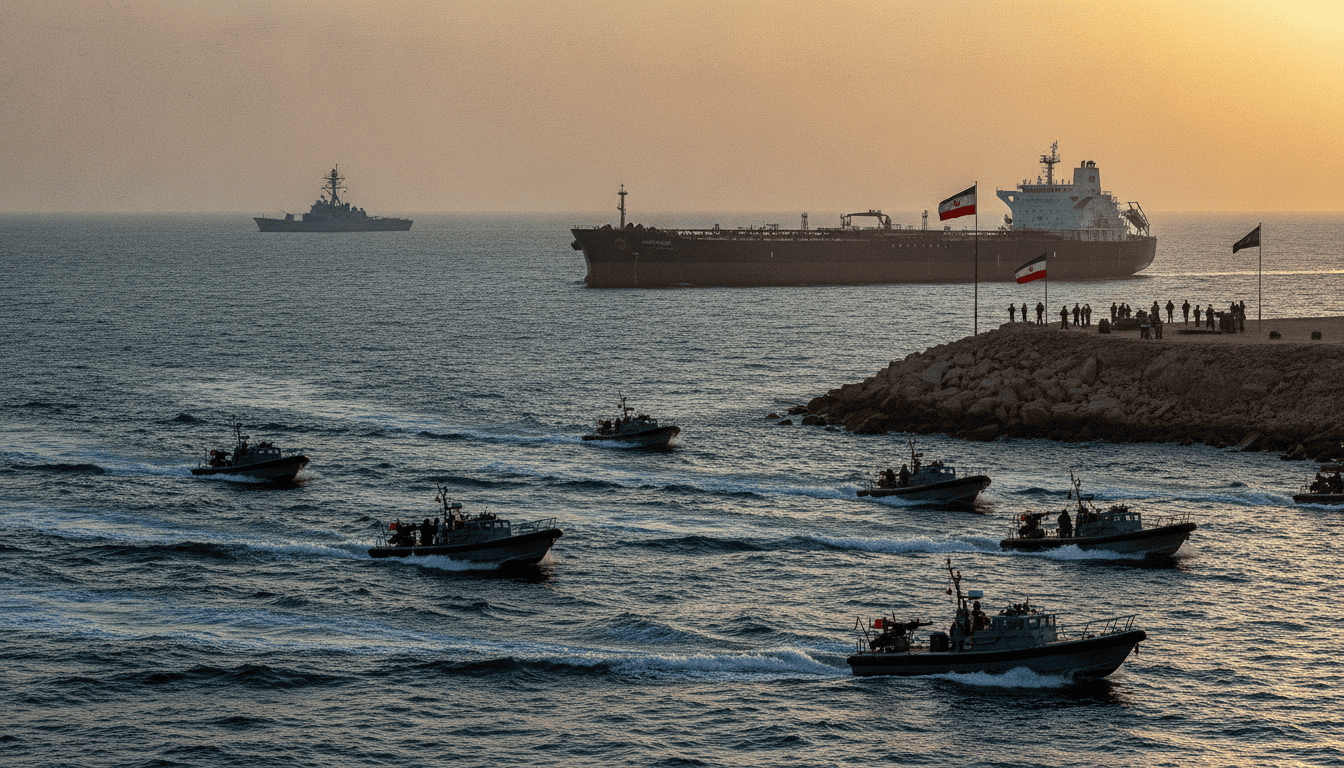
Iran and the U.S. trade threats as control of the Strait of Hormuz becomes a flashpoint
Iran and the U.S. clash over the Strait of Hormuz after attacks on shipping; Iran’s new transit authority, U.S. sanctions and mediation raise global stakes.
Iran and the United States have exchanged stark warnings this week over passage through the Strait of Hormuz, after recent strikes on commercial vessels and a deepening diplomatic standoff. The dispute centers on Tehran’s move to assert control over transit routes and the American response of public threats and targeted sanctions, even as mediators continue shuttle diplomacy. Both capitals say they remain open to talks, but military posturing and hardline rhetoric are complicating efforts to restore normal maritime traffic through the strategic waterway.
Iran asserts authority over passage in the strait
Iran has moved to formalize control of maritime traffic by creating a state body charged with coordinating transit through the Strait of Hormuz. Officials say the new Persian Gulf Strait Authority will manage designated lanes and oversee demining and vessel movements, arguing this is necessary to secure trade after weeks of attacks. Tehran frames the measure as an exercise of sovereignty and a response to routes it says were altered without its consent following recent hostilities.
United States issues threats and imposes sanctions
Washington has publicly warned that attacks on shipping will be met with forceful responses and announced fresh economic measures tied to the incidents. U.S. officials have described the strikes as unacceptable and said some actors inside Iran may be seeking to undermine negotiations by continuing maritime attacks. In parallel, the Treasury designated several individuals and financial networks it says supported assaults on commercial vessels, signaling the administration’s intent to pressure Tehran while keeping diplomatic channels open.
International Maritime Organization condemns Iranian claim
The London-based International Maritime Organization convened member states and issued a strong rebuke of Iran’s step to assert jurisdiction over the strait. The IMO warned that unilateral claims which impinge on the rights of third states or restrict transit passage violate long-standing conventions and urged members not to recognise any attempts to close or control international navigation. Shipping industry representatives and flag states have voiced alarm at moves that could complicate global energy shipments and commercial logistics.
Mediators press for de-escalation amid shuttle diplomacy
Gulf mediators have intensified efforts to prevent a broader confrontation, with envoys from Qatar and Oman conducting separate talks aimed at reducing tensions. Doha’s delegation held meetings in Tehran this week, while other envoys traveled to the region to seek agreements that would restore safe passage and avoid miscalculation at sea. Diplomats say both sides still see value in negotiated solutions, even as each calculates risks differently and public posturing increases domestic pressure on decision-makers.
Funeral rhetoric and political fault lines in Tehran
Hardline rhetoric at recent state funerals has sharpened domestic divisions in Iran and elevated demands for revenge from some factions, complicating the government’s negotiation posture. Prominent clerical figures and newly prominent leaders have made statements promising retribution for past strikes, framing retaliation as national policy rather than the initiative of any single official. Analysts note that such fervent public language is partly aimed at consolidating support among conservative constituencies, even as pragmatic officials pursue diplomatic avenues to limit escalation.
Experts say diplomacy depends on credible deterrence
Regional analysts and conflict specialists caution that talks will struggle unless both sides can simultaneously de-escalate militarily while preserving leverage at the table. Some experts argue that Tehran seeks to secure an institutional role in managing transit as insurance against future attacks, whereas Washington wants to ensure freedom of navigation and prevent a patchwork of security arrangements. Observers contend the durable solution will likely require reciprocal steps to reduce incidents at sea and formal guarantees or monitoring mechanisms acceptable to third-party navies and commercial operators.
The coming days are likely to test whether mediators can convert back-channel contacts into concrete confidence-building measures, and whether both capitals will resist domestic pressure for confrontation. Restoring traffic through the Strait of Hormuz is a practical imperative for global energy markets, but political symbolism and internal divisions in each country mean that the path to steady seas will be neither quick nor straightforward.
