
German companies fear insolvency as surveys show rising distress across sectors
Survey and statistics signal growing insolvency risk for German companies; 8.1% report existential threats and retail reaches new highs.
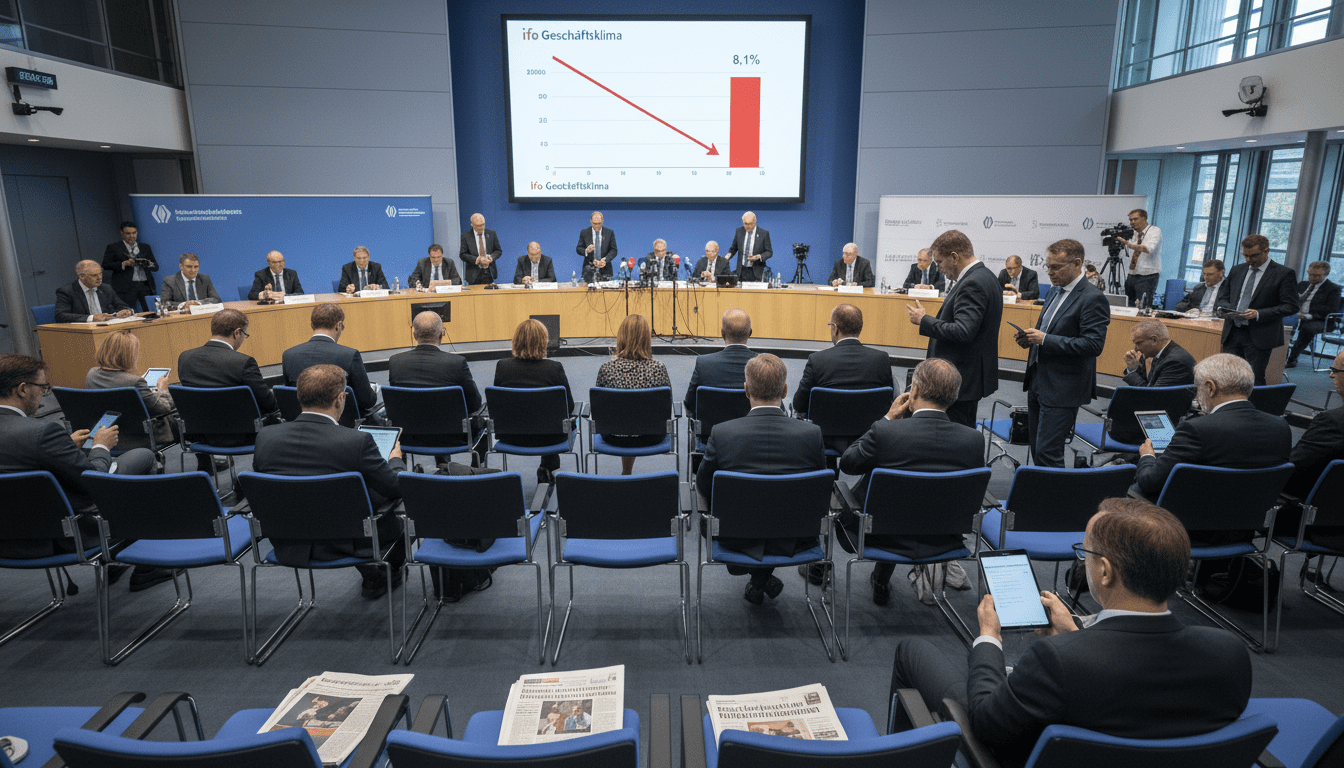
German companies fear insolvency as a recent ifo Institute business survey found one in twelve firms worrying about their continued existence, underscoring mounting pressure across the economy. The survey reported that 8.1 percent of surveyed companies see their survival at risk, while industry-specific data show retail facing an unprecedented level of distress. At the same time, official insolvency statistics and a consumer mood indicator point to deteriorating demand and mounting financial strain for many businesses.
ifo survey: one in twelve firms report existential risk
The Munich-based ifo Institute’s latest business survey reveals a sharp rise in firms reporting existential anxieties, with 8.1 percent saying they fear for their survival. Ifo analysts warned that the combination of weak demand and geopolitical uncertainty may keep insolvencies elevated in the months ahead. The institute highlighted that the strain is not evenly distributed but concentrated in particularly vulnerable industries.
Retail sector reaches record level of existential threats
Retail companies are reporting the worst outcomes, with 17.4 percent saying they feel their existence is threatened — a new high in the survey’s series. The ifo analysis credits this deterioration to subdued consumer spending as well as intensified competition from online platforms and low-cost foreign suppliers. Retailers also cite rising operating and energy costs that erode already thin margins.
April insolvency filings highest since 2005, IWH reports
Separate statistics from the Leibniz Institute for Economic Research Halle (IWH) show insolvency filings climbed sharply in April, registering 1,776 cases for corporations and partnerships. That level is the highest recorded since June 2005 and represents an 82 percent increase compared with an average April in the pre-crisis years 2016–2019. The IWH noted particularly large increases among businesses in hospitality, accommodation and real estate activities.
Companies point to missing orders, energy expenses and red tape
Across sectors, firms identify three dominant burdens: weak demand and order cancellations, rising operational and energy costs, and growing administrative burdens. Many respondents reported liquidity squeezes aggravated by customers who delay payments or become insolvent themselves. Ifo researchers warned that these pressures transmit along supply chains, amplifying losses for suppliers and service providers.
Sector differences reveal pockets of acute vulnerability
The survey shows notable variation by industry: more than one in five beverage manufacturers said they feared insolvency, while roughly one in seven metal producers reported similar concerns. In the service sector, companies in advertising, gastronomy, accommodation and staffing services registered existential fears in the mid-teens to low twenties percent range. Export-oriented manufacturers additionally complained of cost disadvantages relative to Asian competitors.
Consumer confidence slump may deepen business strain
The German Retail Federation’s (HDE) consumer barometer fell to 92.3 points in early May, the lowest reading since February 2023 and well below the 2017 reference value of 100. The drop underscores restrained household spending, which in turn weakens revenues for consumer-facing businesses. Analysts caution that without a rebound in consumer demand or targeted policy relief, insolvency pressures could persist or intensify.
Policy makers and industry groups now face choices about targeted support, regulatory relief and measures to lower energy and financing costs for the most affected firms. Any intervention will need to balance short-term stabilisation with long-term competitiveness, particularly for export-oriented sectors. Businesses themselves say improving liquidity management and adjusting cost structures will be essential to withstand continued uncertainty.
Outlook remains fragile: elevated insolvency filings, record-high existential fears in retail, and weak consumer sentiment together suggest a period of heightened stress for many German companies. Unless demand strengthens or cost pressures ease, the risk of further corporate failures and employment losses is likely to remain elevated in the coming months.
