
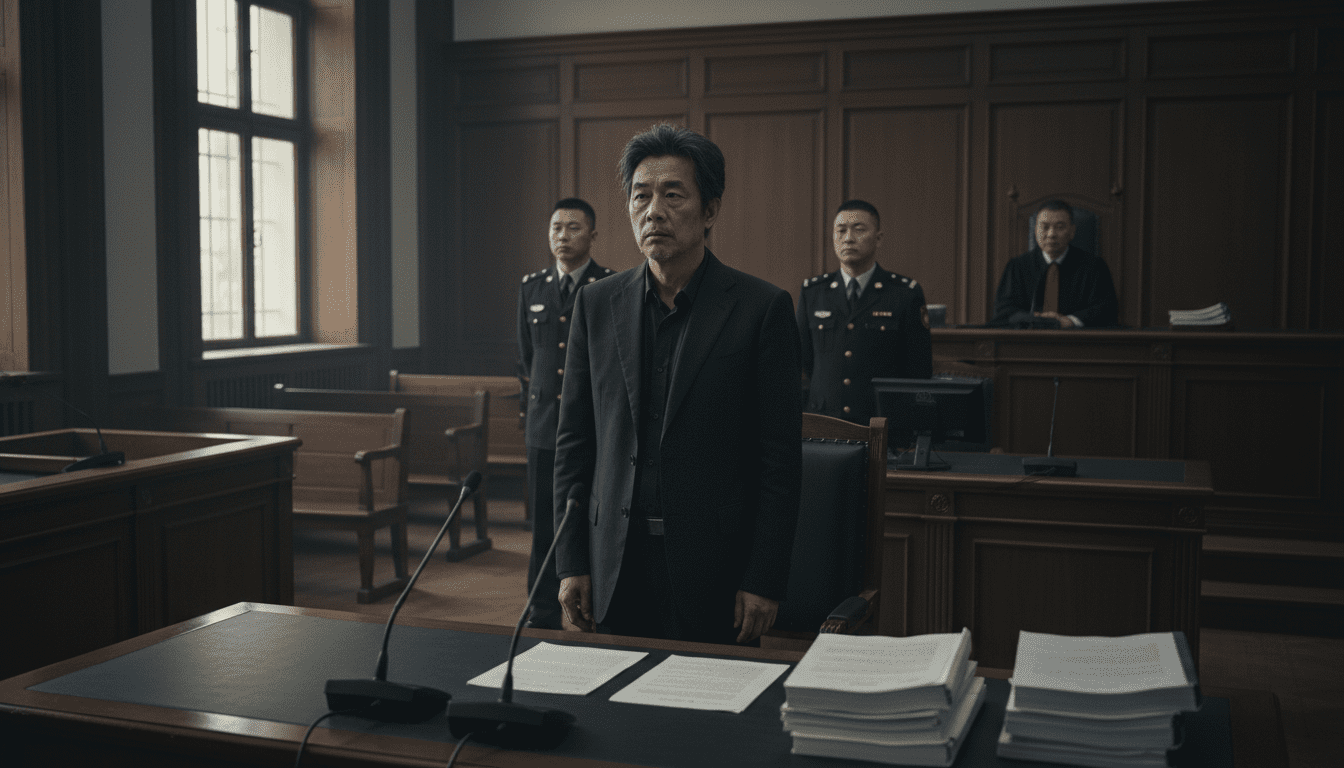
Hui Ka Yan Pleads Guilty in Shenzhen to Multiple Economic Crimes
Hui Ka Yan pleads guilty in Shenzhen to economic crimes including embezzlement and fraud; sentencing pending as Evergrande faces $300bn debt and market fallout.
Hui Ka Yan, founder of the beleaguered property developer Evergrande, pleaded guilty before a Shenzhen court to multiple economic offenses on April 14, 2026. The plea, which the court said covered charges including embezzlement, fraudulent fundraising and illegal acceptance of public deposits, comes as the company remains mired in a deep financial crisis. A formal sentence has not yet been handed down, and the case is expected to proceed through further legal steps.
Details of the Guilty Plea
The Shenzhen court listed a range of financial crimes to which Hui admitted guilt, citing fraudulent capital raising, illegal lending and improper securities issuance among the allegations. Court statements also identified accusations of bribery and illicit acceptance of public funds as part of the formal charges. Hui reportedly expressed remorse during proceedings, though the extent of his cooperation with investigators was not disclosed.
Scope of Allegations Against Hui Ka Yan
Prosecutors framed the charges as systemic and wide-ranging, implicating actions that spanned corporate finance, fundraising and bank-related activity. The court’s account emphasized both misappropriation of company resources and violations tied to how Evergrande solicited and managed external capital. Officials did not provide a timetable for when detailed findings or sentencing guidelines would be published.
Evergrande’s Debt Burden
Evergrande remains one of the most indebted developers globally, carrying roughly $300 billion in liabilities that have reverberated across markets. The company’s financial collapse has been cited by analysts and officials as emblematic of broader stress in China’s real estate sector and a drag on national economic growth. The scale of the debt has complicated creditor negotiations, asset sales and any effort to stabilize the company’s operations.
Legal Process and Potential Outcomes
With Hui’s plea entered, the court is expected to set a later date for adjudication and sentencing, following China’s standard criminal procedure for economic crimes. Penalties for offenses such as embezzlement and fraud can include substantial prison terms, fines and asset confiscation, though outcomes depend on the precise legal determinations and any mitigating factors presented. Legal observers note that guilty pleas in high-profile financial cases are often followed by detailed investigations into corporate governance and the roles of other executives.
Implications for China’s Property Market
Hui’s admission of guilt is likely to intensify scrutiny of the property sector and may influence ongoing restructuring efforts for troubled developers. Market participants and regulators have been watching Evergrande as a test case for how authorities will manage contagion risks and oversee creditor recoveries. The case could prompt tighter enforcement of financial rules for developers and renewed efforts to shore up consumer protections for buyers of unfinished projects.
Background and Timeline of the Crisis
Evergrande’s troubles surfaced several years ago as the developer expanded rapidly through debt-fueled projects and complex financing arrangements. The company’s liquidity crisis became acute in 2021 and 2022, triggering a cascade of stalled developments, missed payments and investor losses. Hui was detained by authorities in 2023 and has not been publicly visible since, a gap that ended only with his court appearance and the guilty plea this month.
Hui Ka Yan’s admission marks a pivotal chapter in the saga of Evergrande and raises fresh questions about accountability at the highest levels of China’s largest property firms. The court’s forthcoming decisions and any accompanying disclosures will be closely watched by creditors, homebuyers and policymakers as they assess the broader economic fallout and seek paths to resolution.
