
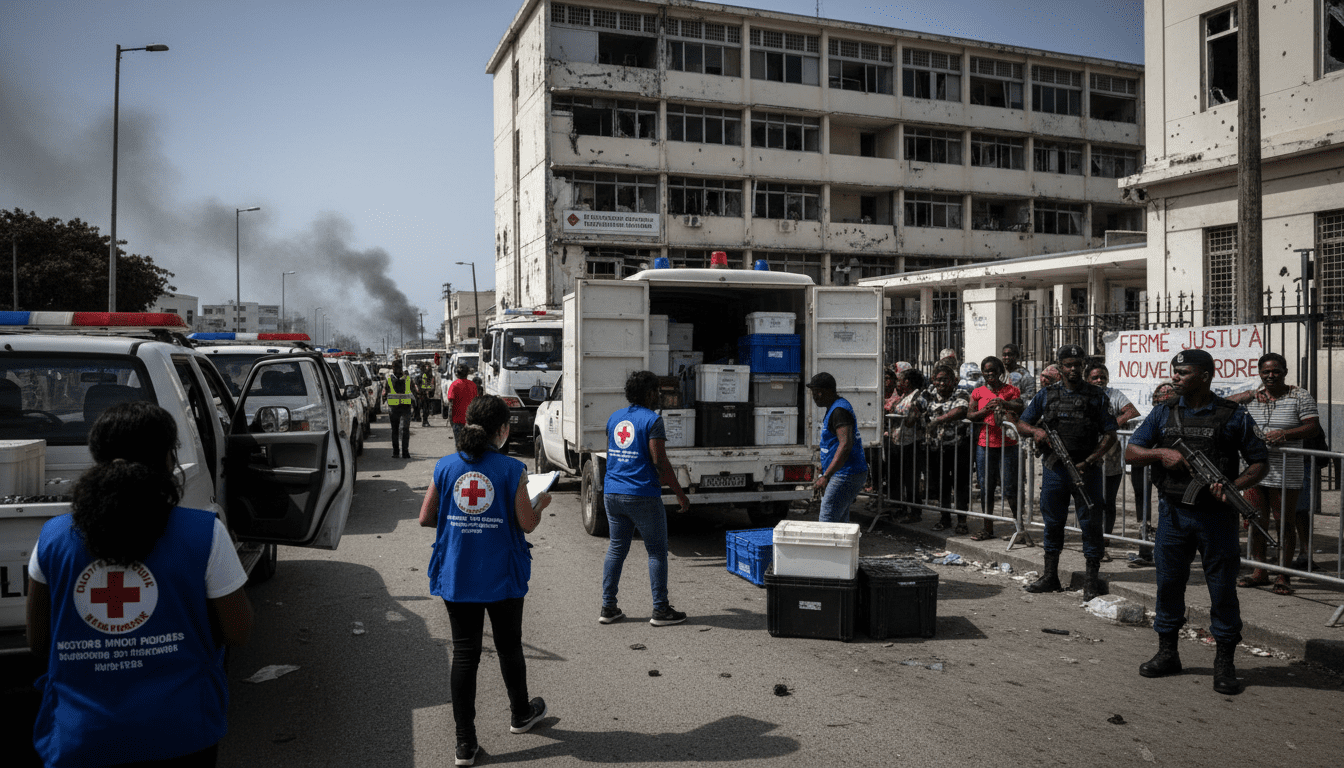
MSF suspends hospital operations in Port-au-Prince as gang fighting displaces hundreds
Aid group Doctors Without Borders halts services in Cité Soleil after intense gunfire forces evacuations and hundreds seek refuge, straining Haiti’s fragile health system.
MSF suspends Cité Soleil hospital after escalation
In a sudden escalation of gang violence in Port-au-Prince, MSF announced it had suspended operations at its emergency hospital in the Cité Soleil neighbourhood, citing uncontained gunfire and unacceptable risks to staff and patients. (internazionale.it)
The organization said roughly 800 residents had taken refuge inside the facility before services were stopped, and that a security guard was wounded by a stray bullet within the compound. (msf.ie)
MSF added that although medical needs in the area were rising rapidly, the group could not guarantee safe access for personnel or patients while fighting continued. (msf.ie)
Hospitals evacuate newborns and critical patients
Local hospitals in the neighbourhood moved to evacuate the most vulnerable, with one facility reporting that newborns were transferred from its intensive care unit to safer locations. (internazionale.it)
MSF said it received some of those transfers and treated patients brought from other clinics, including pregnant women who gave birth during the night while operations were being curtailed. (internazionale.it)
The closures and evacuations underscore the immediate human cost of the clashes, which have interrupted routine and emergency care for communities already served by a diminished health network.
Armed gangs have tightened control since 2021
The recent fighting is part of a broader pattern that has seen powerful criminal groups expand their hold over large parts of the capital since the assassination of President Jovenel Moïse in 2021. (internazionale.it)
Authorities and international partners have repeatedly struggled to dismantle the gangs’ networks, and episodic efforts to restore security have had limited success, leaving civilians exposed to recurrent bouts of violence.
The result has been a progressive shrinking of functional health infrastructure in Port-au-Prince, with many clinics and hospitals either closed or operating at reduced capacity.
Foreign troops arrived in April under UN-linked effort
A contingent of foreign forces deployed to Haiti in April as part of a United Nations-linked initiative intended to bolster security, but local officials and aid groups say the presence has so far done little to halt the surge in armed confrontations. (internazionale.it)
Past international interventions have also failed to produce lasting stability, according to analysts and humanitarian agencies, who argue that military deployments alone cannot address the political and socioeconomic drivers of gang expansion.
Aid agencies caution that any security operation must be paired with measures to restore basic services, protect civilians and re-establish trust in institutions.
Civilians displaced sleep on streets and near the airport
Residents fled their homes as buildings were set ablaze and streets became battlegrounds, with many seeking shelter on thoroughfares leading to Toussaint Louverture airport and other open spaces. (apnews.com)
“I am now sleeping in the street,” said Monique Verdieux, 56, describing her fear of returning home after witnessing gunmen set fire to neighbourhood structures. (apnews.com)
Humanitarian workers warn that displacement is increasing the population’s vulnerability to disease, malnutrition and lack of maternal and neonatal care, particularly as hospitals and clinics close or relocate patients.
Humanitarian needs intensify as facilities shut
With MSF and other providers forced to curtail or suspend services in hotspots, the capacity to treat trauma, obstetric emergencies and chronic conditions has been sharply reduced. (msf.ie)
Agencies report rising patient loads at facilities farther from the fighting, while access constraints and security risks limit the movement of medical teams and supplies across the capital.
Humanitarian coordinators say urgent steps are required to safeguard remaining health infrastructure, support emergency referrals and establish secure corridors for civilians in need of care.
The suspension of services in Cité Soleil marks another severe blow to Port-au-Prince’s battered health system, and aid groups warn that without a rapid decline in violence the humanitarian toll will continue to climb.
