
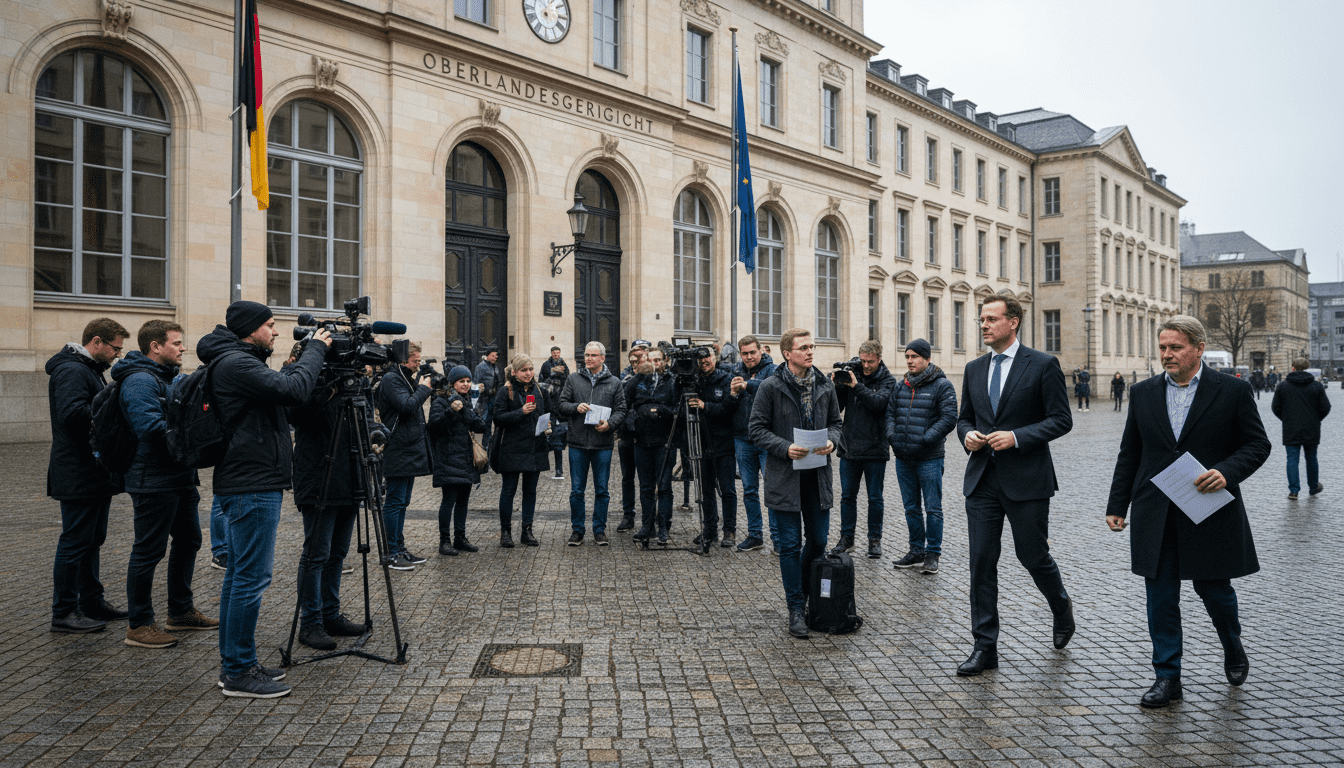
Düsseldorf Court Blocks Bundeskartellamt Fuel Probe by Restricting Access to Argus and S&P Data
OLG decision halts Bundeskartellamt fuel probe access to price-reporting services, delaying wholesale petrol and diesel investigation and prompting an appeal. (151 characters)
The Bundeskartellamt fuel probe suffered a major setback after the Higher Regional Court in Düsseldorf provisionally barred the authority from obtaining data from key price-reporting services. The injunction prevents investigators from accessing reference prices supplied by Argus Media and S&P Global, data the cartel office regards as central to its case. The move has paused evidence gathering in a wholesale-level inquiry that the Bundeskartellamt says is crucial to understanding recent petrol and diesel price dynamics.
Court injunction and immediate effects
The OLG Düsseldorf granted interim relief to Argus in a decision that stops the Bundeskartellamt from requesting certain records while the legal dispute continues. That ruling means the regulator must suspend parts of its on‑going procedural work until higher courts resolve whether the data can be compelled. Authorities said the halt will slow the pace of a complex investigation that relies heavily on timely, granular market information.
What the price-reporting services provide
Argus Media and S&P Global supply published reference prices and detailed market snapshots that many traders and refiners use to set wholesale fuel quotations. The Bundeskartellamt’s investigators have argued those feeds show how market participants respond to rivals’ moves and that the information can reveal coordination risks. The companies counter that their methodologies and raw data are proprietary and protected under commercial confidentiality, a central point in the court challenge.
Origins of the wholesale inquiry
The probe at the wholesale level grew out of a sector inquiry into refineries and fuel trading completed in February 2025, which identified potential competitive concerns tied to the use of pre‑existing price information. Regulators said follow‑up work sought to establish whether market participants had used data services in ways that materially dampened competition or enabled targeted price signalling. The Bundeskartellamt had been compiling evidence to assess whether certain behaviours amounted to an abuse of market power.
Regulator response and appeal plans
Bundeskartellamt president Andreas Mundt said the decision was unexpected and announced that the authority has already filed an appeal with the Federal Court of Justice (Bundesgerichtshof). He warned that without access to the contested datasets the agency cannot fully pursue the wholesale investigation. The office emphasized it would continue other lines of inquiry even as it seeks judicial clarity on the scope of its information powers.
Concurrent probes and policy changes
Separately, the regulator is continuing investigations into price movements that followed the outbreak of the Iran war, relying on a new government prohibition against certain forms of abuse that was adopted recently. Those inquiries do not depend on the blocked data requests and will proceed, the Bundeskartellamt said. Officials stressed the distinction between the halted wholesale evidence collection and other active inquiries into recent rapid price increases.
12:00 price‑change rule and enforcement gaps
Market observers noted that fuel prices hit fresh highs again shortly before the introduction of a government “tankrabatt” rebate, and that oil markets had also driven costs upward in that period. The Bundeskartellamt flagged another concern: the so‑called 12:00 rule, which permits petrol stations to change prices only once per day at noon, is not being observed uniformly. Mundt said many deviations appear to be minor technical mistakes of minutes, but there are instances of substantial non‑compliance, and enforcement responsibility rests with the federal states.
The regulator added that only a limited number of Länder have yet identified the local authorities responsible for sanctions, complicating concerted monitoring and potential punitive action. State agencies, not the Bundeskartellamt, will determine any penalties for breaches of the price-change rule, and coordination between federal and state bodies remains a work in progress.
The temporary court order has immediate procedural consequences but leaves several investigatory threads intact, and the ultimate legal question of compulsory access to proprietary price data has been pushed up the judicial ladder for resolution.
