
Germany and Italy Rebuke Israel After Interception of Global Sumud Flotilla
Germany and Italy criticize Israel after its navy intercepted the Global Sumud flotilla; they urge respect for law and immediate release of detained activists.
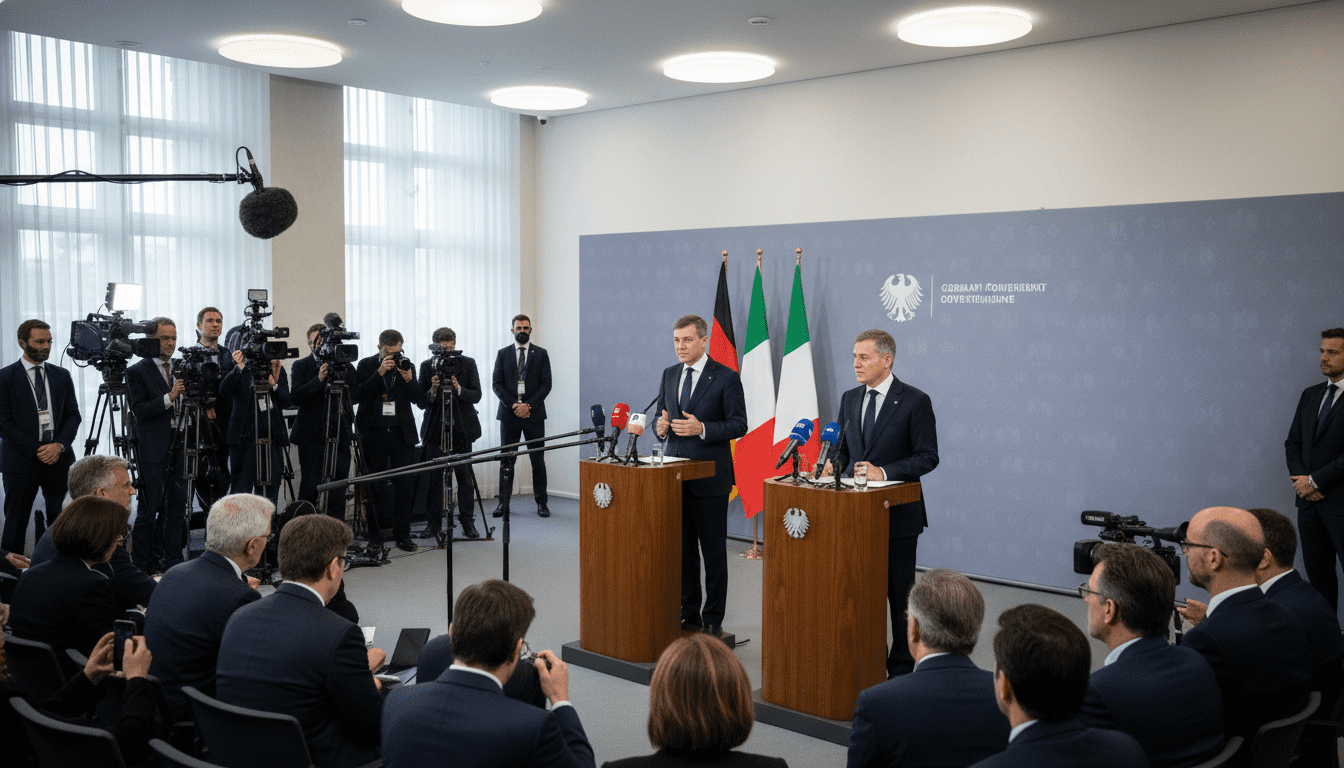
The German and Italian governments issued a joint reprimand after Israeli naval forces intercepted the Global Sumud flotilla in waters near Crete, saying the stoppage in international waters may conflict with international law. The statement called for “uneingeschränkte Achtung des geltenden Völkerrechts” and urged restraint to prevent further escalation, reflecting concern among European capitals over the operation.
Details of the Interception
The Israeli navy stopped more than 20 vessels overnight west of Crete and detained dozens of activists, according to military and tracking reports. Some ships later continued their voyage, while others were held; Israeli officials say there were no injuries during the operation.
Organizers of the Global Sumud flotilla said the action amounted to “piracy” and described the detentions as unlawful, alleging that people were restrained on the high seas. Israel rejects those allegations, maintaining the operation complied with applicable law and was necessary to prevent a breach of what it calls a lawful maritime blockade.
Diplomatic Response from Berlin and Rome
In a rare joint communiqué, Germany and Italy questioned the legality of the interception in international waters and called on all parties to adhere strictly to international humanitarian and maritime law. The statement emphasized support for efforts to deliver humanitarian aid to Gaza “in accordance with international law and standards.”
Italy’s government also demanded the immediate release of any Italian nationals taken from the flotilla, following a meeting of Prime Minister Giorgia Meloni and her ministers. Officials confirmed that among the detained activists are both Italian and German citizens, prompting diplomatic démarches in Rome and Berlin.
Israeli Justification and Greek Coordination
Israel’s foreign ministry said the operation aimed to prevent escalation and to stop an attempt to breach the maritime measures it enforces around Gaza. Officials argued that the number of vessels and the risk of confrontation required early intervention to avert wider incidents at sea.
Israeli Foreign Minister Gideon Saar announced that those taken from the vessels would be disembarked in coordination with Greek authorities, and that Athens had agreed in principle to receive them. A formal confirmation from Greece was not immediately available as of the latest statements from Israeli officials.
Route, Tracking and Location Questions
Ship-tracking services indicated several boats had been operating along the coast of Crete and into Greek territorial waters during the evening prior to the interception. Organizers had launched the flotilla from Sicily with the stated aim of delivering aid to the Gaza Strip and challenging the maritime restrictions Israel has maintained since 2007.
The exact location of the naval interdiction—whether in international waters or within Greece’s territorial sea—has become a focal point for legal debate and diplomatic exchange. Both Italy and Germany referenced concerns about operations conducted outside a clear legal framework.
Claims by Organizers and Past Precedents
Organizers of past aid flotillas have repeatedly framed such voyages as civil action to deliver humanitarian supplies and to draw international attention to the humanitarian situation in Gaza. The Global Sumud flotilla, composed largely of private sail and motorboats, seeks to establish a sustained humanitarian corridor to the enclave.
Israel has previously intercepted similar efforts, including a notable operation last autumn in which commandos boarded vessels and prevented them from reaching Gaza. The continuity of such confrontations has kept the question of maritime rights, blockade legality, and humanitarian access at the center of diplomatic and legal disputes.
Potential Diplomatic and Legal Fallout
The joint German-Italian rebuke increases pressure on Israel to provide clear legal justification and transparent accounts of the operation. It also raises questions about how European governments will balance condemnation of perceived procedural breaches with broader security and diplomatic ties to Israel.
Humanitarian groups and flotilla organizers say the incident will likely prompt further attempts to challenge the naval restrictions, while states concerned about regional stability may intensify calls for clearly defined mechanisms to allow aid deliveries without risking maritime confrontations.
International legal experts and maritime authorities are likely to scrutinize evidence about the location, conduct and communications surrounding the interception to determine whether the actions comported with law of the sea principles and obligations toward non-combatants at sea.
The episode has already prompted diplomatic activity in Rome and Berlin and underscores persistent tensions over access to Gaza at sea, the responsibilities of flag and coastal states, and the mechanisms available to deliver humanitarian assistance while avoiding escalation.
