
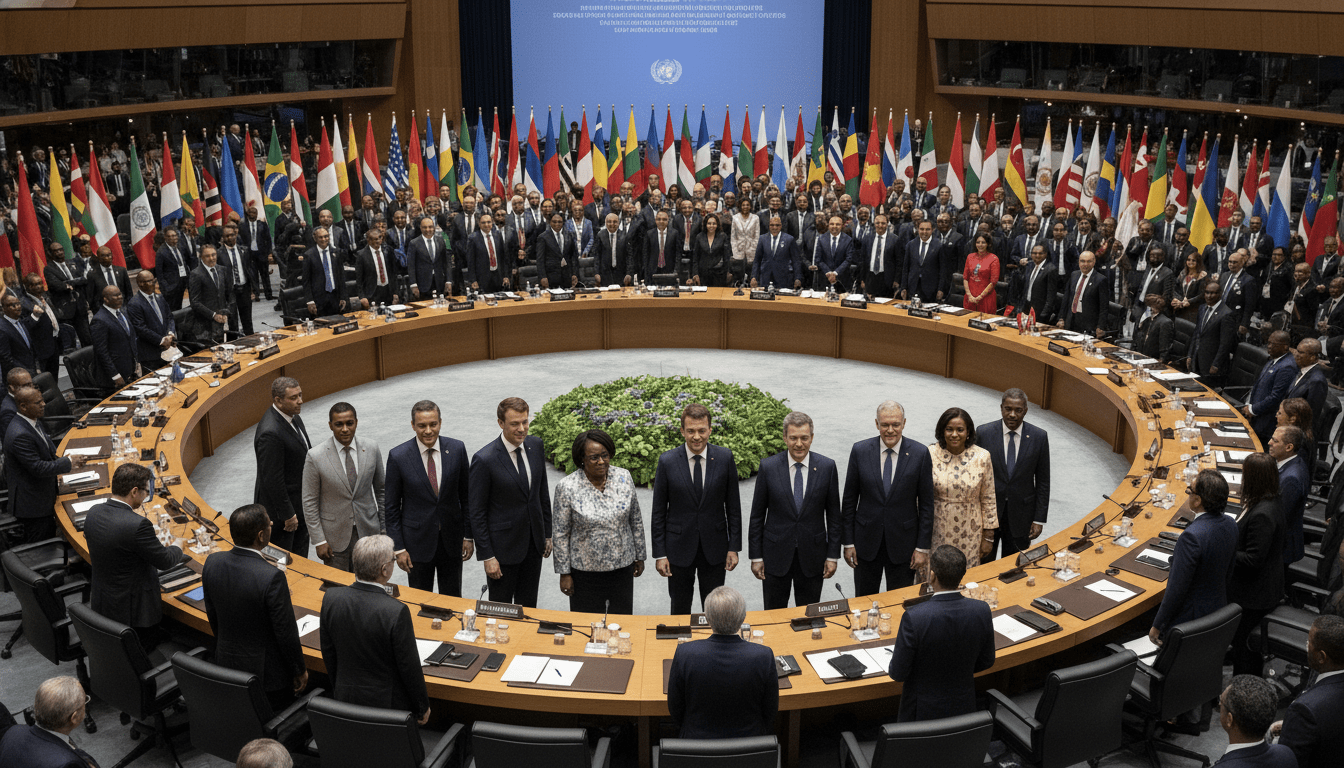
Santa Marta Climate Conference: 57 Nations Form ‘Coalition of the Willing’ to Phase Out Fossil Fuels
Santa Marta climate conference: 57 countries form a ‘coalition of the willing’ to discuss phasing out oil, gas and coal, signaling urgency amid global doubts.
A buoyant mood swept the port city of Santa Marta as delegates at the Santa Marta climate conference reported unusually candid talks about moving away from oil, gas and coal for the first time among a broad group of nations. Representatives from 57 countries spoke in practical terms about ending dependence on fossil fuels, and organizers described the gathering as a “coalition of the willing” focused on action rather than delay. Despite the optimism inside conference rooms, participants acknowledged that translating pledges into policy will confront entrenched economic interests and geopolitical complexities.
Delegations from 57 countries speak in concrete terms about leaving fossil fuels
Delegates across regions agreed to frame the phase-out of oil, gas and coal as a collective objective, marking a shift from aspirational language to operational discussion. Several countries outlined domestic constraints and signalled readiness to explore joint pathways, including timelines for reducing extraction and consumption. The talks placed emphasis on aligning national plans with broader climate targets while recognizing the varied starting points of industrial and developing economies.
‘Coalition of the willing’ coalesces around shared goals
Organizers and participants used the phrase “coalition of the willing” to describe a pragmatic alliance of governments prepared to move ahead without waiting for universal consensus. The label reflected a tactical choice to prioritize momentum and pilot measures rather than secure unanimity, and it attracted a mix of middle-income nations, small island states and some higher-income partners. Observers noted the coalition’s potential to generate political cover for countries that wish to accelerate energy transitions but fear domestic pushback.
Delegates outline policy tools and finance priorities
Discussion at the conference moved quickly to policy levers that could make a phase-out feasible, with delegates debating subsidy reform, stepped reductions in extraction permits and accelerated deployment of renewables and grid investment. Financings for transition — including mechanisms to support vulnerable workers and communities dependent on fossil fuel industries — were repeatedly raised as essential conditions for durable plans. While no universal financing package was agreed, participants called for intensified negotiations with multilateral lenders and private investors to bridge the funding gap.
Political and economic obstacles remain outside meeting rooms
Speakers and analysts warned that the conference’s upbeat tone must contend with powerful countervailing forces: state-owned energy firms, regions dependent on hydrocarbon revenue and global markets that continue to demand fossil fuels. Several delegations made clear that domestic politics, employment considerations and energy security concerns will shape the pace of any phase-out. The gulf between conference declarations and the operational realities of supply chains, infrastructure investment and consumer behavior was a recurrent theme.
International reaction and next diplomatic steps
Responses from civil society, industry and foreign governments were mixed, with some groups praising the Santa Marta climate conference for breaking a long stalemate on language, while others urged more specific and enforceable commitments. Organizers signalled plans for follow-up meetings to translate principles into timetables, technical roadmaps and accountability frameworks. Diplomats said they hope to use the coalition model to spark bilateral and regional initiatives that can be scaled and integrated into broader climate governance.
The Santa Marta gathering underscored both the political appetite for bolder climate action and the hard work that remains to convert intent into impact. Delegates left with a renewed sense of possibility but also an appreciation for the technical, financial and diplomatic effort required to wind down oil, gas and coal while protecting growth and livelihoods. The coming months will test whether the coalition’s momentum can be sustained and whether its commitments will ripple through national capitals and international forums.
