
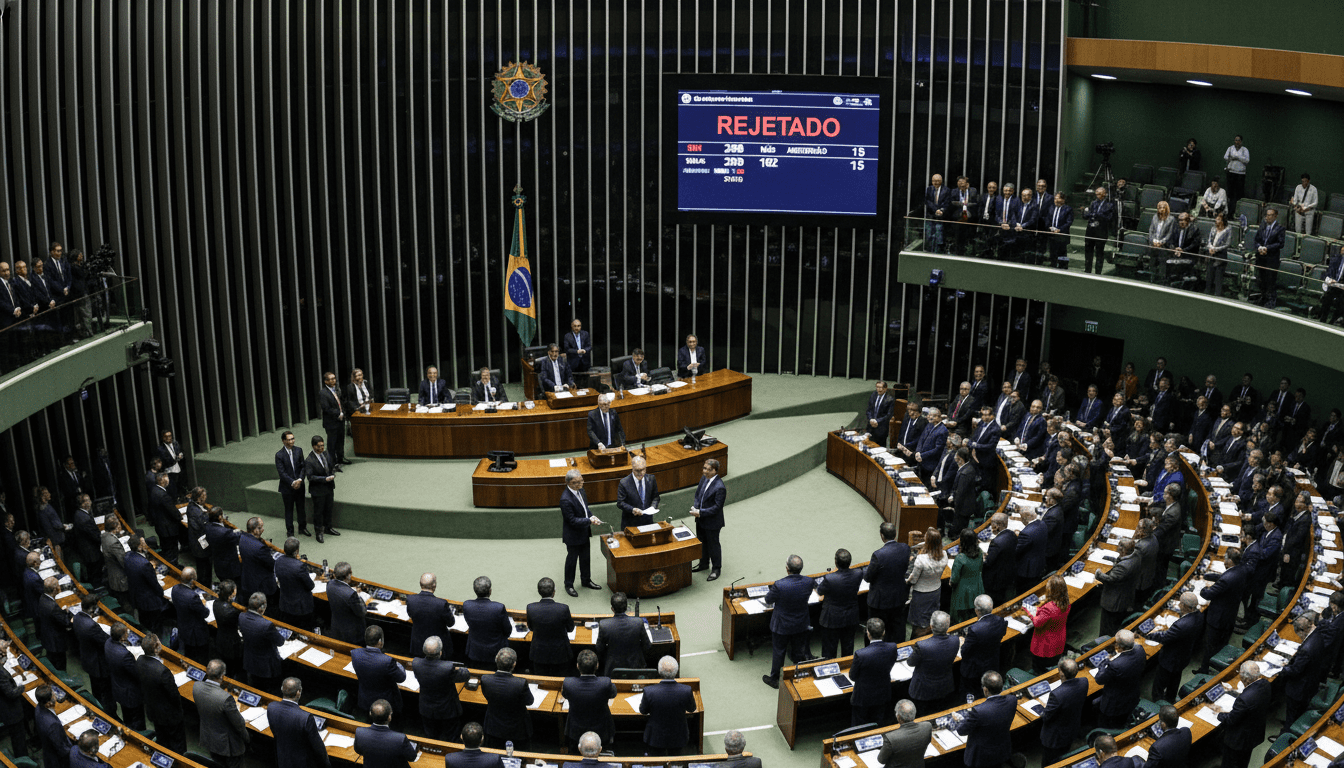
Lula Supreme Court Nominee Rejected by Lawmakers in Historic First Since 1894
Brazilian lawmakers unexpectedly rejected Lula Supreme Court nominee Jorge Messias, marking the first time since 1894 a candidate for the high court was turned down. The move deepens political tensions around judicial appointments.
Lawmakers Reject Lula’s Supreme Court Nominee
Brazilian legislators delivered a surprise rebuke when they voted against President Luiz Inácio Lula da Silva’s nominee for the Supreme Federal Court, Jorge Messias. The rejection halts the president’s effort to fill a vacancy on the country’s highest court and signals stronger legislative scrutiny of judicial picks.
The outcome represents an unusual check on presidential appointment power and raises immediate questions about how Lula’s administration will proceed to fill the seat. Messias, who served as attorney general, had been positioned as the president’s choice, but lawmakers rejected his nomination in a vote that caught many observers off guard.
First Rejection of a Supreme Court Nominee Since 1894
This is the first time in more than a century that Brazilian politicians have refused a Supreme Court nominee, an occurrence reported as the first such rebuff since 1894. The historical comparison underlines the rarity of the legislature overturning a presidential nomination to the high court.
Legal scholars and historians note that nominations to Brazil’s Supreme Federal Court are typically confirmed after political negotiation and deference, making this rejection a notable departure from precedent. The development is likely to prompt renewed debate about the balance of power between the executive and the legislature in judicial appointments.
Factors Cited for the Nomination’s Failure
Opponents of the nomination pointed to a range of concerns that contributed to the defeat, including questions about independence, political alignment, and suitability for a lifetime role on the bench. Critics reportedly argued that the nomination raised issues warranting closer scrutiny before granting confirmation.
Supporters of the nominee had emphasized his public service record and legal experience, while the vote suggested that those arguments were insufficient to overcome resistance among key lawmakers. The rejection may reflect broader partisan calculations as well as specific doubts about the candidate’s perceived impartiality.
Political Fallout for Lula’s Administration
The defeat of Jorge Messias marks a significant political setback for President Lula, who had sought to shape the Supreme Court through his nomination. The refusal complicates the administration’s judicial agenda and may embolden opposition forces in the legislature.
Political analysts expect the episode to reverberate through upcoming legislative fights, with the administration needing to rebuild consensus or consider alternative candidates who can secure broader support. For Lula, the loss interrupts what had been a steady effort to place allies in pivotal institutional roles.
Implications for the Supreme Federal Court and Judicial Balance
With the nomination withdrawn or rejected, the vacancy on the Supreme Federal Court remains unresolved, leaving the court’s composition in flux. The decision to deny confirmation could affect the court’s ideological balance and future rulings on high-profile political and constitutional matters.
Investors, legal practitioners, and civil society organizations are likely to watch how the next nomination unfolds, as the appointment process will shape the judiciary for years to come. The episode also raises questions about whether the legislature will assert a more active gatekeeping role in judicial confirmations going forward.
Next Steps and Possible Paths Forward
The president may renominate a different candidate who can attract the necessary legislative support, or he may seek negotiations to build a coalition behind a compromise nominee. Alternately, heightened scrutiny from lawmakers could force a longer period of consultations and vetting before another formal submission.
In either scenario, the administration must weigh political expediency against the need to select a nominee with credentials and a profile capable of securing confirmation. The coming days and weeks will be crucial for mapping a path that resolves the vacancy while managing the broader political fallout.
The rejection of Jorge Messias marks a rare and consequential moment in Brazil’s modern political history, underscoring tensions over judicial appointments and the interplay between the presidency and the legislature.
