
BASF restructuring wins shareholder backing as company presses ahead with cost cuts and 2027 spin-off plan
BASF restructuring was embraced by shareholders at the Mannheim meeting, where management secured support for further cost cuts and a planned crop protection spin-off by 2027.
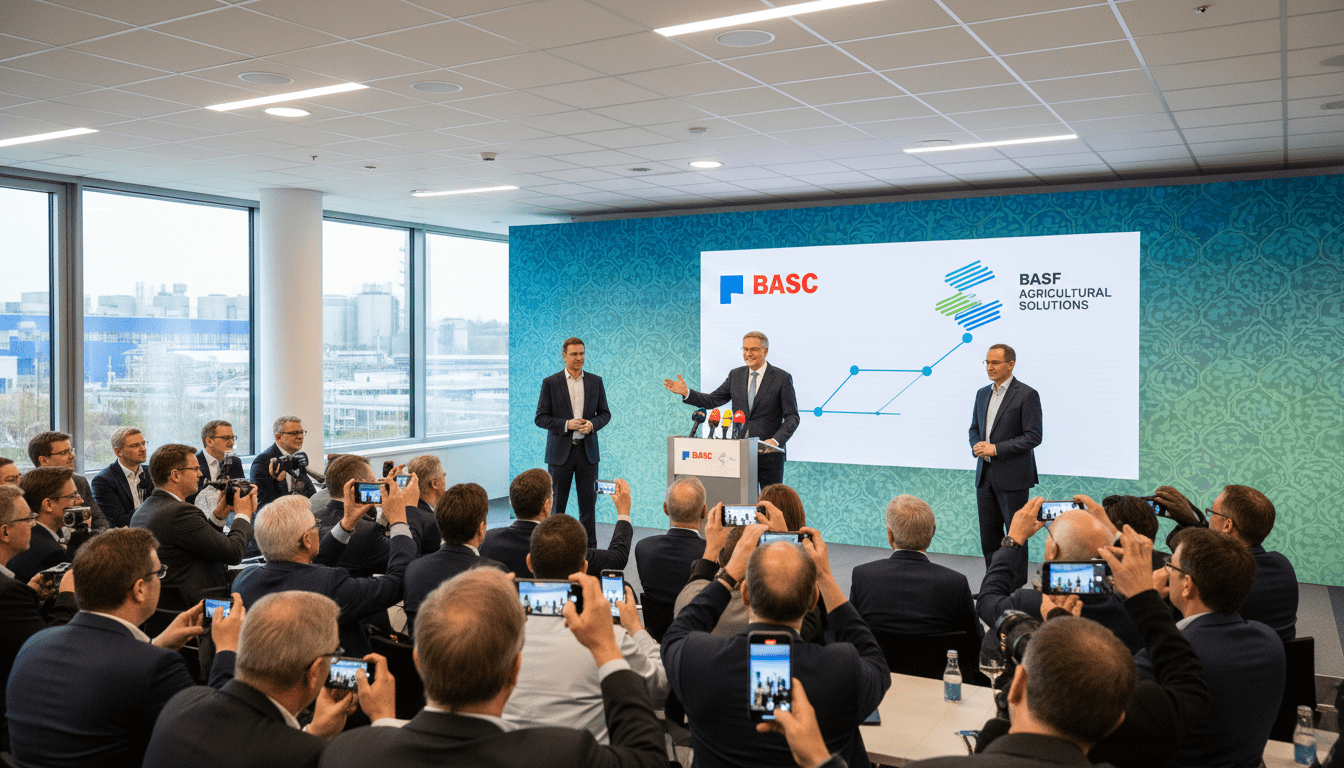
BASF shareholders gathered in Mannheim signaled broad support for the company’s restructuring plan as management outlined further savings, rationalisation and a high-profile spin-off of the crop protection business. About 3,100 investors attended the Rosengarten meeting and largely greeted the programme that CEO Markus Kamieth launched 18 months ago with guarded optimism. The topic of BASF restructuring featured prominently in remarks from executives who argued the changes are necessary to reposition the group amid deep industry shifts.
Shareholders react positively at Mannheim meeting
Investors at the annual gathering displayed more harmony than hostility, with much of the criticism limited to implementation details rather than the strategic direction. A union-backed fund manager described BASF as slowly emerging from a crisis phase after a year that saw the stock climb by just over 20 percent. Management emphasised that sentiment improvement has not yet translated fully into financials, a point CEO Kamieth acknowledged during his address.
Despite the guarded tone, the meeting produced few surprises as shareholders approved the board’s broad agenda and allowed the company to proceed with its planned portfolio changes. Delegates praised the clarity of the roadmap while seeking reassurance about local jobs and investment at the company’s Ludwigshafen hub.
CEO frames change as fundamental industry transformation
Kamieth told investors that the chemical sector is undergoing “structural upheavals” rather than ordinary cyclical swings, framing BASF’s work as a necessary modernisation. He used metaphor and forward-looking language to make the case for transformation, urging shareholders to see the changes as renewal rather than decline. The tone aimed to steady confidence while acknowledging that the path ahead will require continued discipline.
Management stressed that the group’s core activities remain central to future performance, describing the retained businesses as BASF’s “backbone” and pointing to potential growth through targeted acquisitions and portfolio optimisation.
Further cost cuts and shifts in services announced
The company signalled that the restructuring is far from complete and that further savings will be sought, especially at the historically loss-making Ludwigshafen site. Since early 2024, around 2,800 positions have been eliminated in Germany, and executives indicated additional reductions and efficiency moves are planned. Specific services — including HR, financing and digital functions — will be increasingly sourced from hubs outside Europe, with India singled out as a location for expanded service delivery.
Finance and strategy teams warned that the coming five to ten years will be dominated by restructuring and consolidation across the sector, underlining a long-term timetable for change rather than a quick turnaround.
Crop protection spin-off and recent divestments
A central plank of the plan is the intended separation of BASF’s crop protection division, which generates nearly €10 billion in revenue and employs about 14,000 people globally. Management requested shareholder approval to proceed with the carve-out, with the goal of readying the business for a public listing in Frankfurt by 2027. The unit is currently one of the group’s primary profit contributors and would form a sizeable independent company if the IPO goes ahead.
The spin-off follows earlier moves to slim the group, including the majority sale of the coatings and surface technologies business to private equity firm Carlyle in a deal worth €7.7 billion. Executives argued that separating non-core assets will help investors better value both the remaining integrated chemicals platform and the freed businesses.
First-quarter performance and guidance confirmation
BASF reported resilience in a challenging first quarter, with volumes rising but revenue declining about 3 percent to roughly €16 billion after adverse currency effects and lower selling prices. Operating earnings before special items fell by 5.6 percent to €2.35 billion, according to the company’s update to shareholders. Management reiterated the full-year targets but warned that the war in the Middle East and other geopolitical risks create material uncertainty for markets and supply chains.
Chief Financial Officer Dirk Elvermann told investors that raw material supplies are currently secure, while the company continues to monitor energy and logistics developments that could affect future performance. The board stressed that confirmed guidance reflects both resilience and the need for continued strategic action.
Investor sentiment and market implications
Investor reaction in Mannheim suggested growing confidence that BASF’s restructuring can stabilise earnings and improve valuation over time. Shareholders broadly accepted the logic of carving out non-core businesses to spotlight the value of the integrated chemicals operations. Asset managers present at the meeting said they expect the planned moves to attract a broader set of investors to both the retained group and any newly listed entities.
At the same time, analysts and some shareholders pressed for clarity on timelines, governance and how proceeds from disposals or an IPO would be deployed. Questions about job impacts at Ludwigshafen and the pace of service offshoring underlined the social and operational trade-offs inherent in the plan.
BASF’s leadership left the meeting with a clear mandate to continue the overhaul, but the company faces a multi-year programme of restructuring and market reorientation that will be judged by execution, by external market conditions and by the outcome of the planned crop protection listing.
